Blocked Toilets, Taps & Bathrooms
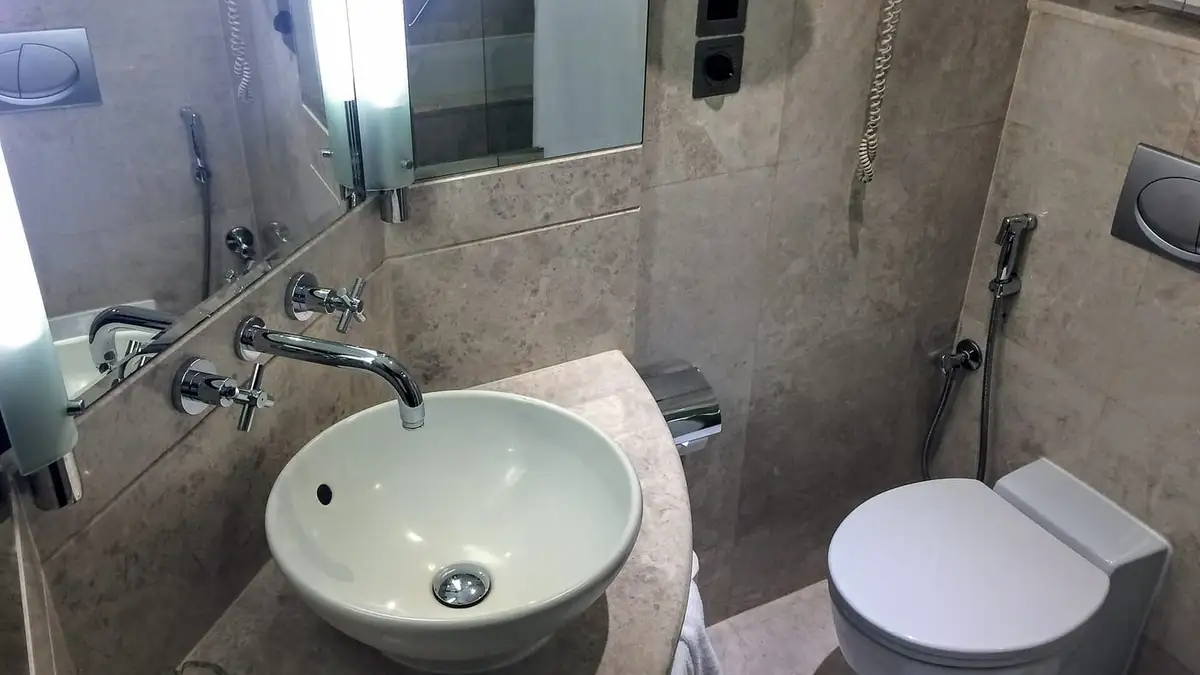

The everyday failures, running toilets, weak showers, dripping taps, fixed properly.
A blocked toilet: what to do in the first two minutes
Do not flush again. A second flush on a blocked pan is what turns a contained problem into a bathroom floor you have to disinfect. Take the lid off the cistern and lift the float to stop it refilling if it is already running. Then work out whether the water level is dropping slowly, which means a partial blockage you can probably clear, or not at all, which means it is solid.
Clearing it without a plunger
A bucket of warm water, not boiling, poured from waist height often carries a soft blockage through on its own, the force of the fall does the work. Washing-up liquid left for twenty minutes first helps if the obstruction is greasy or paper. A toilet plunger with a flange, sealed properly against the outlet, handles most of the rest. A sink plunger will not seal a toilet.
Why it blocked, and whether it will again
Wipes are the single biggest cause and they do not disintegrate whatever the packet claims. After that: too much paper at once in a low-flush pan, sanitary products, and a weak flush that never had enough force to clear the trap properly. If the same toilet blocks repeatedly, the flush volume or the fall to the soil stack is worth checking rather than blaming whoever used it.
When the blockage is not in the toilet
If the bath and the shower are also slow, or the toilet bubbles when another fixture drains, the toilet is fine and the blockage is in the soil stack or the underground run. Working on the pan will achieve nothing. That is a drainage job, and knowing the difference before anyone starts saves both a wasted visit and a wasted fee.
The everyday bathroom failures worth fixing early
A running toilet wastes several hundred litres a day and is a cheap part. A dripping tap that is ignored becomes a seized spindle and then a whole tap. A shower that has lost pressure is usually a scaled cartridge, not a dying pump. In each case the small job now is a fraction of the big job later, which is unglamorous advice and completely true.
Guides
Hairline Crack in a Porcelain Sink: Repair or Replace?
How to tell a surface craze from a crack that leaks, how hairline cracks in ceramic basins are repaired, and when a cracked sink has to be replaced.
Dishwasher Plumbing: How to Plumb In a Dishwasher
The three connections every dishwasher needs, water, waste and power, how each is made under a UK kitchen sink, and the mistakes that cause leaks.
How to Unblock a Toilet, With or Without a Plunger
Safe ways to clear a blocked toilet, from a plunger to hot water and a wire hanger, what never to pour down the pan, and when the blockage is in the drain.
Replacing a Toilet Cistern: Are Cisterns Universal?
When a cistern is worth replacing, why most are not interchangeable between toilets, and what a cistern swap involves on close-coupled and high-level toilets.
Sewage Smell in the Bathroom? Causes and Fixes
A bathroom or toilet that smells like sewage usually has a dry trap, a failed seal or a venting problem. How to find which, starting with the free checks.
Toilet Making Noise When Not in Use? What It Means
A toilet that hisses, trickles, refills by itself or hums when nobody has flushed is wasting water. What each sound points to and which part fixes it.
Leaking Toilet Pan Connector: How to Fix It
Water at the back of the toilet after flushing usually means the pan connector. How to confirm it, and when it can be replaced without taking the toilet out.
Yellow Stains in a Toilet Bowl: How to Remove Them
Why yellow rings and streaks build up in London toilets, how to lift them without damaging the pan, and when a stain is really a leak.
How to Fix a Dripping Tap: Washer and Ceramic Disc Taps
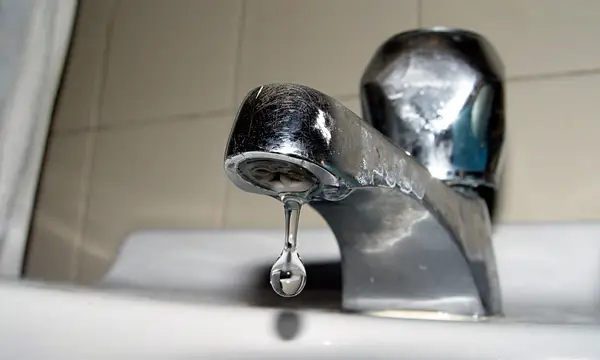
A dripping tap is usually a worn washer or a worn cartridge. Here is how to tell which you have and fix it yourself.
Toilet Not Flushing Properly? Work Through These
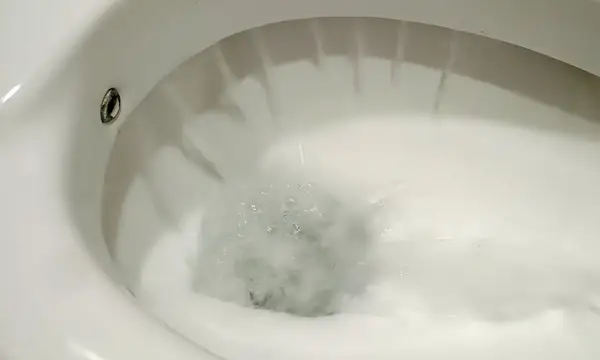
A weak or partial flush is nearly always the cistern mechanism or blocked rim jets, rarely the toilet itself.
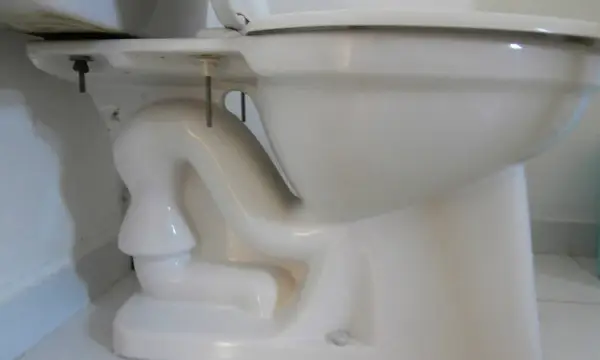
Toilet Siphons, Flush Valves and Weak Flushes
What is actually inside your cistern, and which part to blame for each misbehaviour.
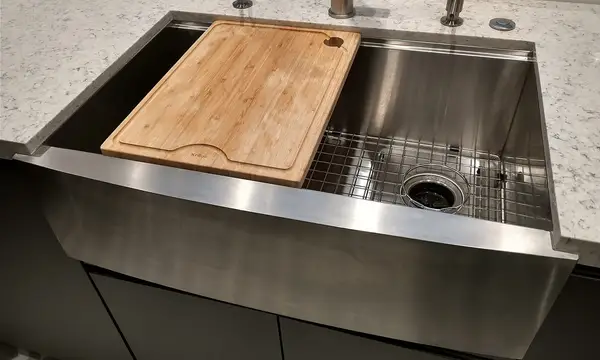
Installing Kitchen Sinks and Appliances Properly
The plumbing details that decide whether a new kitchen works quietly for a decade.
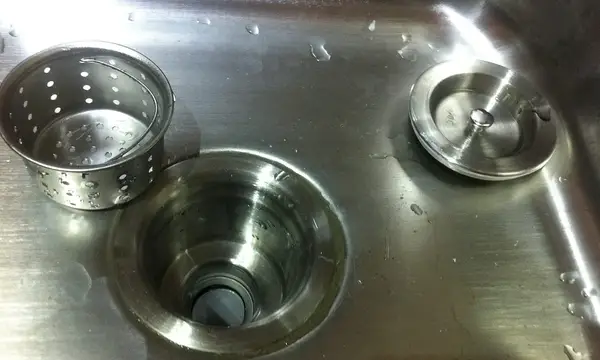
Fixing a Leaking Kitchen Sink
Trap, waste, tap base or supply: finding which of the four is actually leaking.
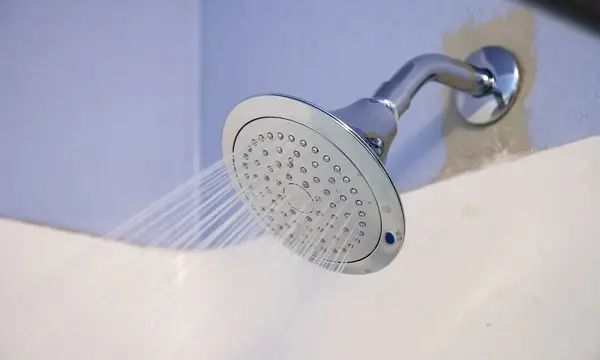
Low Pressure in the Shower: Causes by System Type
Gravity, combi or unvented, the fix is completely different depending on what you have.
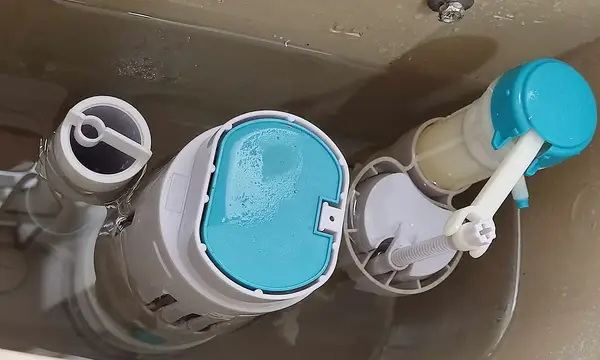
Running, Weak-Flushing or Leaking Toilet: Fix Guide
The three toilet failures behind 90% of callouts, and which ones are genuinely DIY.
Questions people ask
How do I unblock a toilet without a plunger?
A bucket of warm water poured from height, ideally after twenty minutes with washing-up liquid in the bowl. If that fails, a toilet auger reaches around the trap without damaging the porcelain. Avoid wire coat hangers, they scratch the glaze and the scratch becomes the next blockage.
Why does my toilet keep blocking?
Wipes, a low-flush pan struggling with normal use, or a problem further down, a partly blocked branch, a poor connection to the stack, or an underground fault. If it has blocked more than twice in a year, the cause is structural and worth a camera rather than another plunger.
Should I use chemical drain unblocker in a toilet?
No. It rarely works on the trap, it is dangerous in a bowl you may then have to plunge, and it makes the job hazardous for anyone who opens the pipework afterwards. Please tell us if any has been used before we arrive.
My toilet is blocked and it is the only one in the flat.
That is an emergency callout and we treat it as one, 24 hours a day. £110 for the first hour, no call-out fee, no night surcharge, and most single-pan blockages are cleared well within that hour.