
Fixing a Leaking Kitchen Sink
By Emergency Plumb,
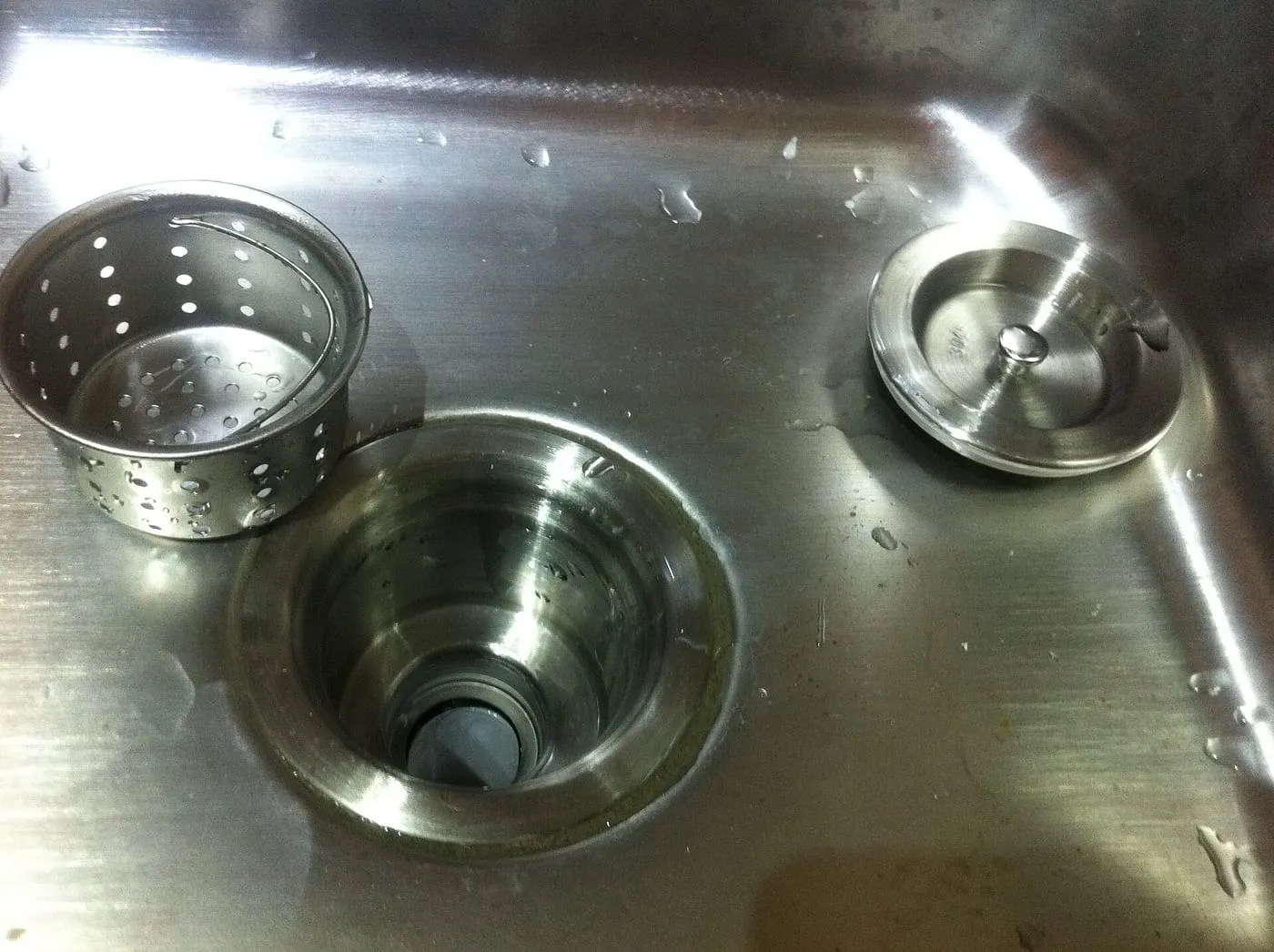

Trap, waste, tap base or supply: finding which of the four is actually leaking.
Short answer: Dry everything, then run the tap and watch. Water at the trap means a loose connection or perished washer. Water only when the bowl drains means the waste flange seal. Water at the back with the tap running means the tap tails or flexible connectors. Each is a different, inexpensive repair.
Find it before you fix it
Dry everything, lay kitchen roll under the unit, run each test separately: filled bowl drained, taps run, then check after an hour of standing. Where the paper stains first is your answer, and it is frequently not where the water pools.
The usual suspects
A trap union finger-tightened by the last person, a perished basin waste seal, a tap base seal letting surface water track down, or a weeping flexi hose. All are small parts; flexis in particular should be replaced, not resealed.
When it is the sink itself
Water tracking from the sink rim means failed sealant between sink and worktop. Cut out, dry thoroughly, re-seal with kitchen-grade silicone, and let it cure before the washing up. Chipboard worktops that stay wet swell fast, so this one rewards urgency.
Find which of the four it is
Dry everything, then run water and watch: the tap base, the tap tails underneath, the waste flange around the plughole, or the trap and its connections. Kitchen roll under each for an hour will tell you without guesswork. Each is a different repair and only one of them is the tap.
The waste flange is the underrated one
A leak around the plughole soaks the chipboard under the sink and swells it, and the damage is usually found long after the leak started. Refitting it properly means cleaning off the old sealant completely and bedding it on fresh, smearing new silicone over old is why the same leak comes back.
Traps: the mistakes people make
Overtightening plastic compression nuts cracks them; hand-tight plus a small nip is correct. Reusing a deformed washer never seals. And a dishwasher or washing machine hose connected below the trap rather than into the spigot above it lets smells back, a very common retrofit error in kitchens.
Questions people ask
Why is my kitchen sink leaking underneath?
Most commonly the trap - the U-bend - where a compression nut has worked loose or the washer has hardened. Hand-tighten first; these are designed to seal without tools and over-tightening cracks the plastic.
How do I find where a sink leak is coming from?
Dry the whole area, lay kitchen roll underneath, then test in stages: run the tap without draining, then fill and release the bowl, then check the tap tails. The paper shows exactly where the first drop lands, which is faster than guessing.
Can I fix a leaking sink waste myself?
Usually yes. Undo the trap, clean the threads and seating faces, fit a new washer, and reassemble hand-tight. The commonest mistake is reusing a compressed washer or cross-threading a plastic nut.
Why does my sink only leak when the washing machine drains?
The appliance shares the waste run and discharges under pressure, which finds a weak joint that gravity drainage does not. It usually points at an unsecured spigot connection or a trap with insufficient fall.