
Toilet Siphons, Flush Valves and Weak Flushes
By Emergency Plumb,
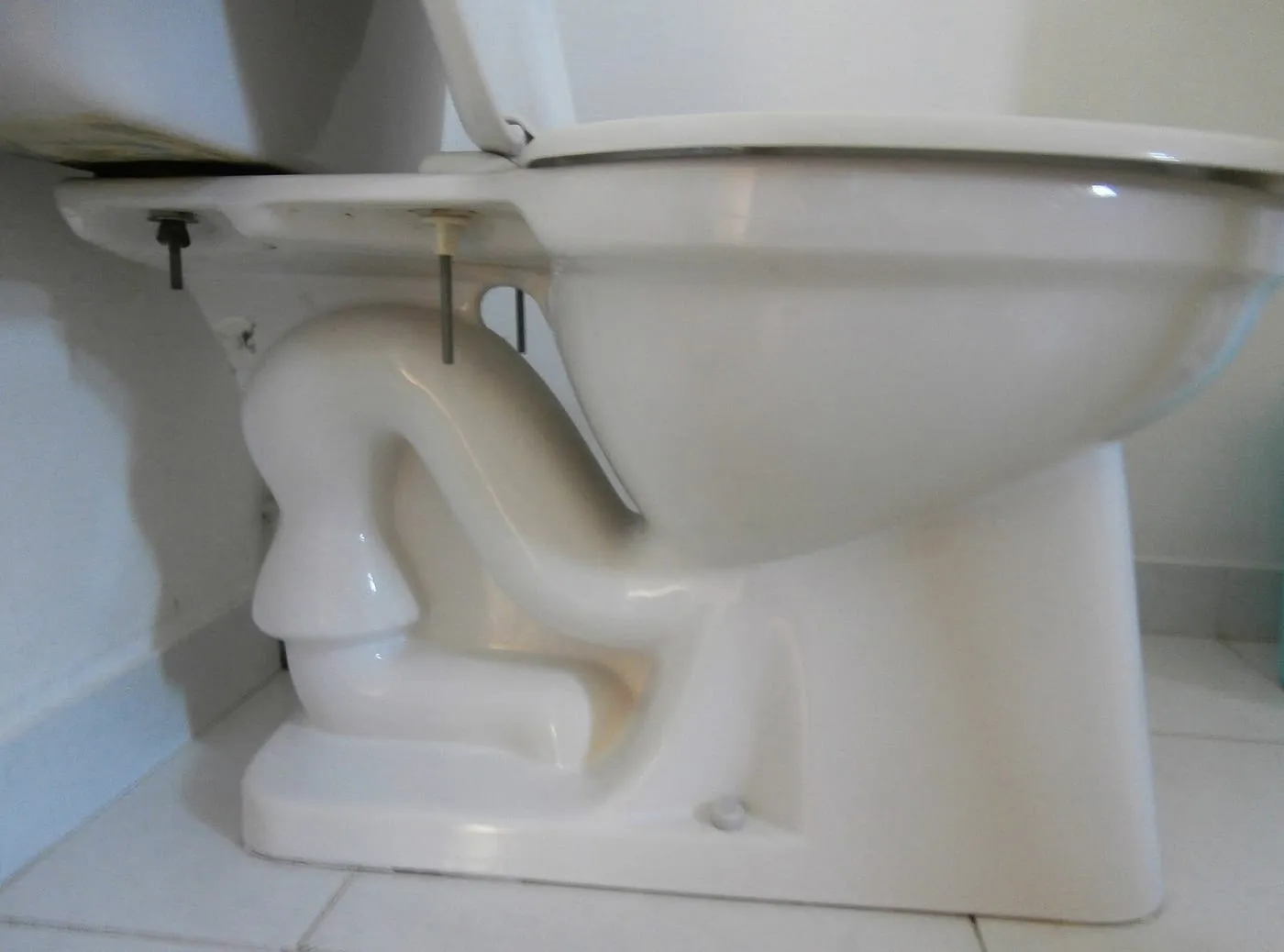
What is actually inside your cistern, and which part to blame for each misbehaviour.
Short answer: UK cisterns use either a siphon or a drop valve. A siphon fails through a split plastic diaphragm, which gives a flush needing two or three pulls. A drop valve fails through a perished seal, which gives a constantly running cistern. Both are cheap parts and neither justifies a new toilet.
Siphon or flush valve?
Older UK toilets flush through a siphon, which cannot leak water into the pan but can tire into a weak flush as its diaphragm wears. Modern dual-flush units use a drop valve, stronger flush, but the seal is the classic source of the silent running toilet.
Reading the symptoms
Needing two pulls: worn siphon diaphragm. Constant trickle into the pan: drop valve seal or scale on its seat. Weak flush with a healthy cistern level: scaled rim jets, especially in hard water areas.
Parts, not toilets
Every one of these is a replaceable part costing pounds. The skill is matching the mechanism to the make, which is why a photo of the inside of your cistern on WhatsApp gets you a faster fix than any description.
Siphon or flush valve: which do you have?
A close-coupled cistern with a lever and a rubber diaphragm inside is a siphon, these fail gradually as the diaphragm perishes, and the flush gets weaker over months. A push-button cistern uses a drop valve, which fails by leaking rather than weakening. The repair is different for each, and the diagnosis takes seconds with the lid off.
Weak flush that is not the cistern
A partly blocked rim, where scale has closed the holes that direct water around the bowl, gives a weak swirl and poor clearance. In hard-water London this is common and often mistaken for a failing siphon. Descaling the rim restores it and costs nothing but time.
Water level and adjustment
A fill valve set too low leaves the cistern under-filled and the flush under-powered. The level should sit at the marked line, usually about 20mm below the overflow. Adjusting it is a screw or a clip, and it is the first thing to check before buying any parts at all.
Questions people ask
How do I know if I have a siphon or a flush valve?
A lever handle on the front or side almost always means a siphon. A push button on the lid means a drop valve. Siphons cannot leak into the pan when working correctly, which is why they were mandatory in the UK until 2001.
Why does my toilet need two flushes?
Classic split siphon diaphragm. The plastic membrane that lifts the water has torn, so the siphon loses its seal partway through. A replacement diaphragm costs a few pounds and takes about half an hour.
Can I replace a toilet siphon myself?
It is a reasonable DIY job but an awkward one - on a close-coupled toilet the cistern usually has to come off the pan to reach the retaining nut. Turn the water off, flush and sponge out the cistern first.
Why is my flush weak even after replacing the parts?
Check the rim jets under the bowl rim. In hard water areas scale blocks them gradually, so water dribbles down one side instead of scouring the whole bowl. Descaling the rim restores the flush when new cistern parts have not.