
Leaking Pipes & Burst Pipes
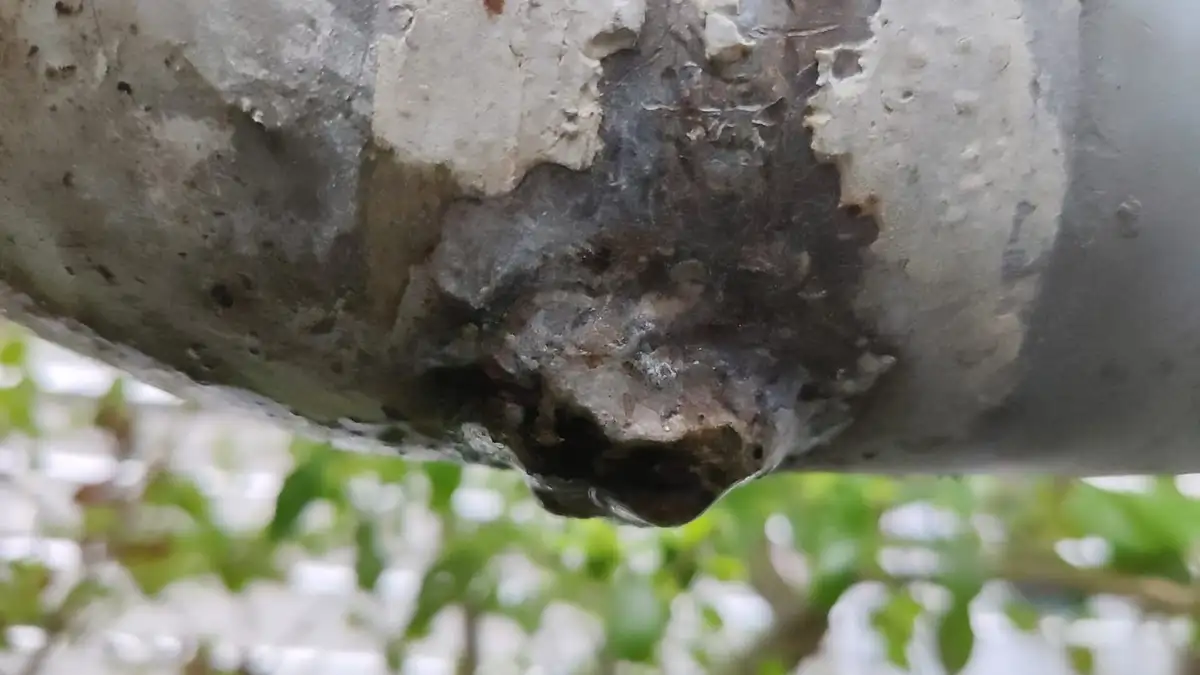

Finding water that’s going where it shouldn’t, and stopping it before the ceiling comes down.
Stop the water first, diagnose second
Every leaking pipe follows the same first three steps regardless of cause: close the stopcock, open the cold taps to drain the pressure out of the system, and kill the electrics if water is anywhere near them. Do that before you try to work out what has failed. A pipe you have isolated is a repair booking; a pipe still under mains pressure is a ceiling coming down.
Where a leaking pipe usually is
Almost never where the damp appears. Water runs along joists, down the outside of pipework and along the underside of floorboards before it finds a gap to come through, so the wet patch marks the lowest point it reached, not the failure. This is exactly why speculative holes are the expensive part of a leak, and why detection equipment pays for itself the moment the alternative is opening three wrong places.
The four things that actually fail
Compression joints that were never fully tightened, or were disturbed later. Corroded copper, mid-century pipework perforates from the inside out, which is why the leak arrives with no warning. Freeze damage, which splits the pipe at the freeze but only leaks at the thaw. And push-fit used somewhere it should not have been, most often buried under a floor where nobody can inspect it.
How to tell a leak from condensation
Condensation forms evenly along a cold surface and is worst in humid weather. A leak has a source, gets worse when water is used, and leaves a mineral or rust mark as it dries. If you dry the pipe completely and wrap kitchen roll around it, an hour later the paper tells you which one you have, and where along the run it started.
When it is genuinely an emergency
Water you cannot stop, water near electrics, water coming through a ceiling, or water entering a neighbouring property. Those four warrant a callout at any hour. A slow weep into a bucket, with the stopcock accessible, can safely wait for a booked appointment, and we will tell you honestly on the phone which one you have rather than sending an emergency van you do not need.
Guides
Burst Radiator Pipe: What to Do Right Now
A burst radiator or radiator pipe floods fast with dirty heating water. How to stop it in the first five minutes, and what the repair involves afterwards.
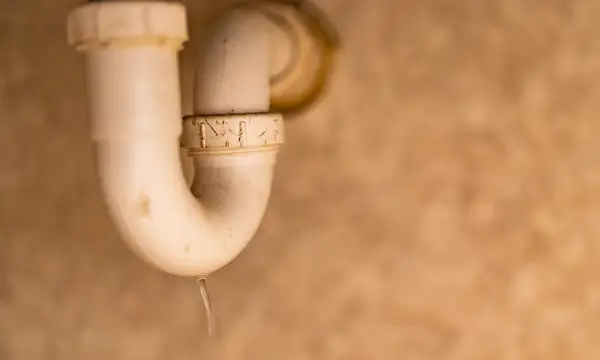
Bathroom Leaks: How to Find Where the Water Is Coming From
Under the bath, the shower tray or the toilet? Four simple tests tell you which, and whether it is a seal, a waste or a pipe.
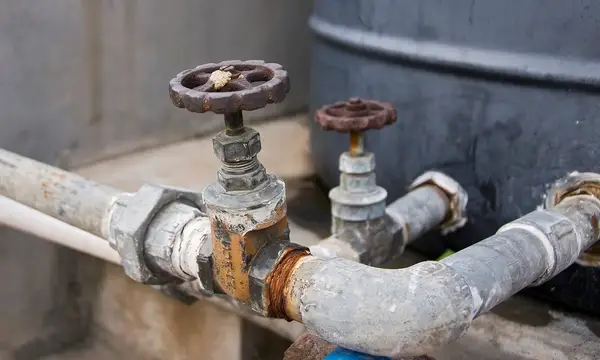
Seized Stopcock? How to Free It Safely
A stopcock that will not turn is usually furred with scale. Free it gently, and if it will not budge in an emergency, use the one outside.
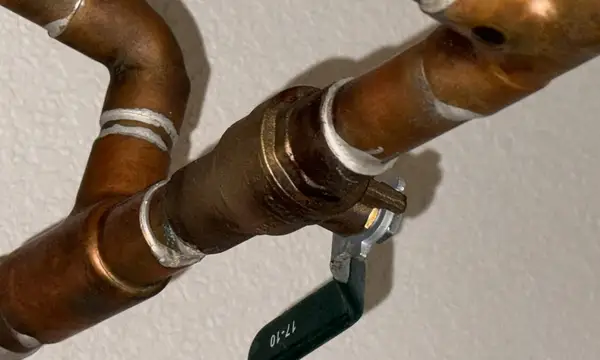
What Causes Noisy Water Pipes?
Banging, humming and whistling pipes each point at a different fault. A guide to the noises.
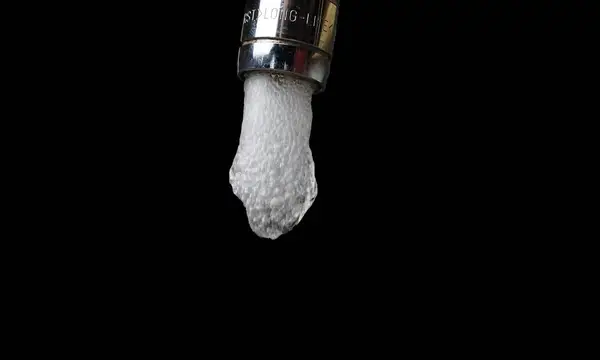
Airlock in Cold Water Pipes: Causes and How to Clear It
Why a tap coughs, spits or stops after the water has been off, what traps air in cold and hot pipes, and the safe ways to clear it.
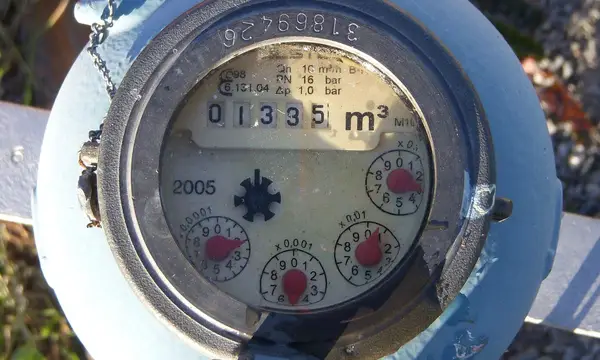
Signs You Have a Hidden Water Leak (and What to Do)
Higher bills, warm floor patches, a meter that ticks overnight, how leaks announce themselves.
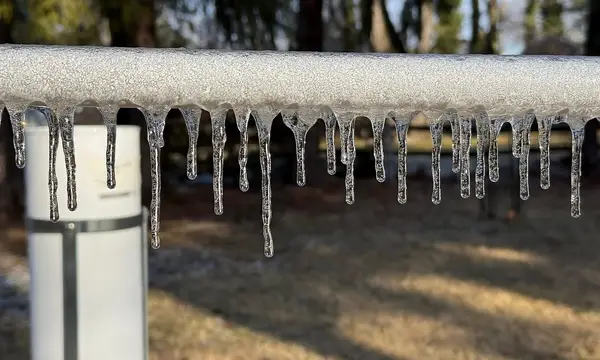
How to Stop Your Pipes Freezing This Winter
The cheap jobs in October that prevent the expensive ones in January.
Questions people ask
How do I stop a leaking pipe temporarily?
Turn the stopcock off, then open the lowest cold tap in the house to drain the pressure. A proprietary repair clamp or self-amalgamating tape will hold a small split on a drained pipe for a few hours. Gaffer tape and epoxy putty on a pressurised pipe will not, and the failure tends to happen while everyone is asleep.
Is a leaking pipe covered by home insurance?
The damage caused by escaping water is covered by most UK policies. The failed pipe itself often is not, and gradual leaks are frequently excluded on the grounds that they should have been noticed. Trace and access cover pays for finding it, which is the part people most often do not realise they already have.
How much does it cost to fix a leaking pipe?
There is no call-out charge. It is £110 for the first hour, then £45 for each additional half hour, plus the cost of parts, and the same at any hour of the day or night.
Can I use a leak sealant additive?
For a very small leak in a sealed heating system, as a temporary measure, sometimes. Never on a mains water pipe, and never as a permanent answer, the same chemistry that plugs a pinhole also settles in the boiler heat exchanger and the pump. It buys weeks and can cost you a boiler.