
Seized Stopcock? How to Free It Safely
By Emergency Plumb,
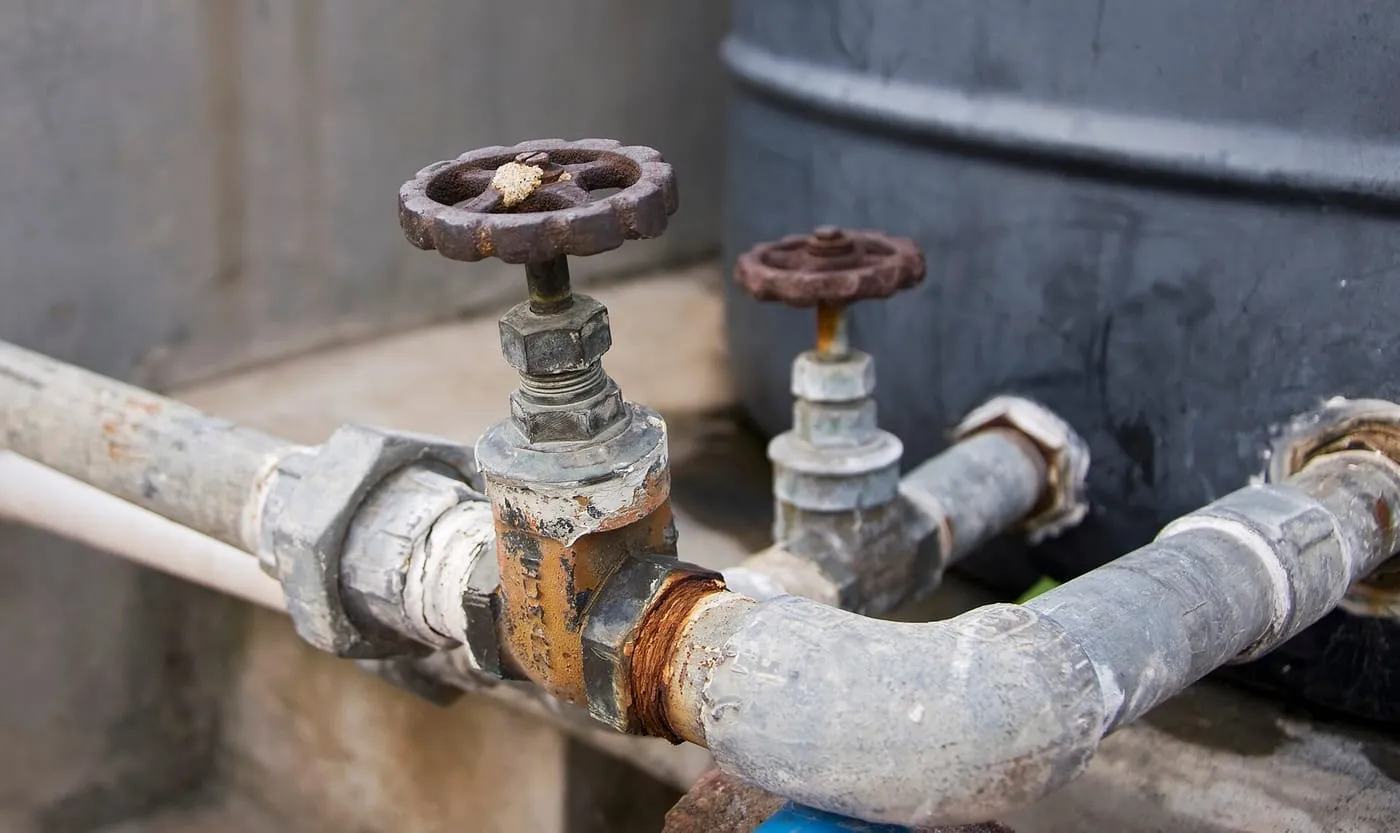

A stopcock that will not turn is usually furred with scale.
Short answer: To free a seized stopcock, apply penetrating oil around the spindle, wait fifteen minutes, then turn it gently by hand, working it back and forth a little at a time. Never force it with a long wrench, which can twist the pipe. If it will not move in an emergency, close the outside stopcock instead.
How do I free a seized stopcock?
Turn it gently, a little at a time, clockwise to close and anticlockwise to open. If it will not move, apply a little penetrating oil where the spindle enters the body, wait fifteen minutes, then try again with steady hand pressure, working it back and forth a small amount at a time. Never force it with a long pipe wrench, because that can twist the pipe and cause the leak you were trying to stop. If it still will not budge in an emergency, use the outside stopcock instead.
Where is my stopcock?
The stopcock, also called the internal stop tap, is the valve that shuts off all the mains water to your home. In most London houses it is under the kitchen sink, because the mains pipe usually comes in at the front and the kitchen is often the first place it meets. Other common spots are under the stairs, in a downstairs toilet, behind a panel near the front door, or in a cellar. In flats, look in the kitchen, the bathroom, an airing cupboard or a cupboard in the hallway. In some purpose-built blocks it can be in a communal riser or corridor, so ask the managing agent if you cannot find it. Find yours now, before you need it.
Why do stopcocks seize?
Two reasons, and they usually go together. London’s water is hard, which means it carries a lot of dissolved minerals. Over the years these build up as limescale inside the valve and around the spindle, and eventually lock it in place. The second reason is simply that most stopcocks are never touched. A valve left fully open for ten or twenty years has had plenty of time to fur up. Older brass stopcocks with a packing gland, the nut just under the handle, are more prone to it than newer types.
Safe ways to free a stuck stopcock
Go gently. Spray a little penetrating oil around the spindle and the gland nut, leave it to soak in, and wipe off any excess. Wrap a cloth around the handle for grip and try turning it with your hand. If it moves a little, turn it back again, then a bit further, building up movement slowly rather than forcing it all at once. Some people loosen the gland nut by a quarter turn to ease the spindle, but it may drip while it is loose, so tighten it again afterwards. What you must not do is use a big wrench, a hammer or a length of pipe for extra leverage. The pipe behind the valve can twist or crack, and old lead or thin copper pipe is easily damaged. If a stopcock needs real force, it needs replacing, not forcing.
If it won’t budge in an emergency: the outside stopcock
Most homes also have an outside stopcock, usually in the pavement or front path near your boundary, under a small metal or plastic cover marked ‘water’. It may be shared with neighbours, especially in terraced streets, so be aware that turning it may cut their water too. You need a stopcock key, a long metal bar with a fork on the end, to reach it. They are cheap from DIY shops and worth keeping in the house. Turn it clockwise to close. If you cannot find it, cannot reach it, or it is also seized, call Thames Water’s emergency line, which is printed on your bill and on their website. The outside stopcock is usually theirs to maintain.
Replacing a seized stopcock, and the cost
Once a stopcock has seized badly, or starts dripping from the spindle after you free it, replacing it is the sensible fix. This involves shutting off the water outside, cutting out the old valve and fitting a new one, so it is a job for a plumber. It is worth asking at the same time about fitting a quarter-turn lever valve, which is much easier to turn in a hurry.
Signs your stopcock is on its way out
A stopcock does not always seize all at once. Warning signs include a handle that has become stiff over the past year, a slow drip or damp patch around the spindle or the gland nut, green or white crusty deposits on the valve body, and a handle that turns but does not seem to shut the water off fully. That last one is easy to miss. Close the stopcock and open the kitchen cold tap: if water keeps trickling out after a minute, the valve is not sealing, and it will not protect you properly in an emergency. Any of these is a good reason to replace it on a normal day rather than find out during a burst.
Turn your stopcock a few times a year
The best way to stop it seizing is to use it. Two or three times a year, turn the stopcock fully off and then fully back on again. When it is fully open, turn it back a quarter turn, which helps stop it sticking in the open position. Check the kitchen tap runs normally afterwards. It takes a minute, and it means that on the day a pipe bursts, you can shut the water off in seconds instead of struggling while the ceiling fills up.
Questions people ask
Which way do I turn a stopcock to turn the water off?
Clockwise to close, anticlockwise to open, the same as most taps. Turn it until it stops, then check a cold tap to confirm the water has gone off.
What do I do if my stopcock will not turn?
Try penetrating oil and gentle hand pressure first. If it still will not move and you need the water off urgently, use the outside stopcock with a stopcock key. If you cannot reach that either, call Thames Water's emergency line, printed on your bill and their website.
Can I use a wrench on a stuck stopcock?
Not a large one for leverage. Forcing it can twist or crack the pipe behind the valve and cause a leak. If a stopcock needs real force, it needs replacing.
How much does it cost to replace a stopcock?
There is no call-out charge. It is £99 for the first hour, then £49 for each additional half hour, plus the cost of parts, and the same at any hour of the day or night.
How often should I turn my stopcock?
Two or three times a year. Turn it fully off and fully on again, then back it off a quarter turn from fully open. That stops scale locking it in place, so it works when you need it.