
Stopcock Replacement in London
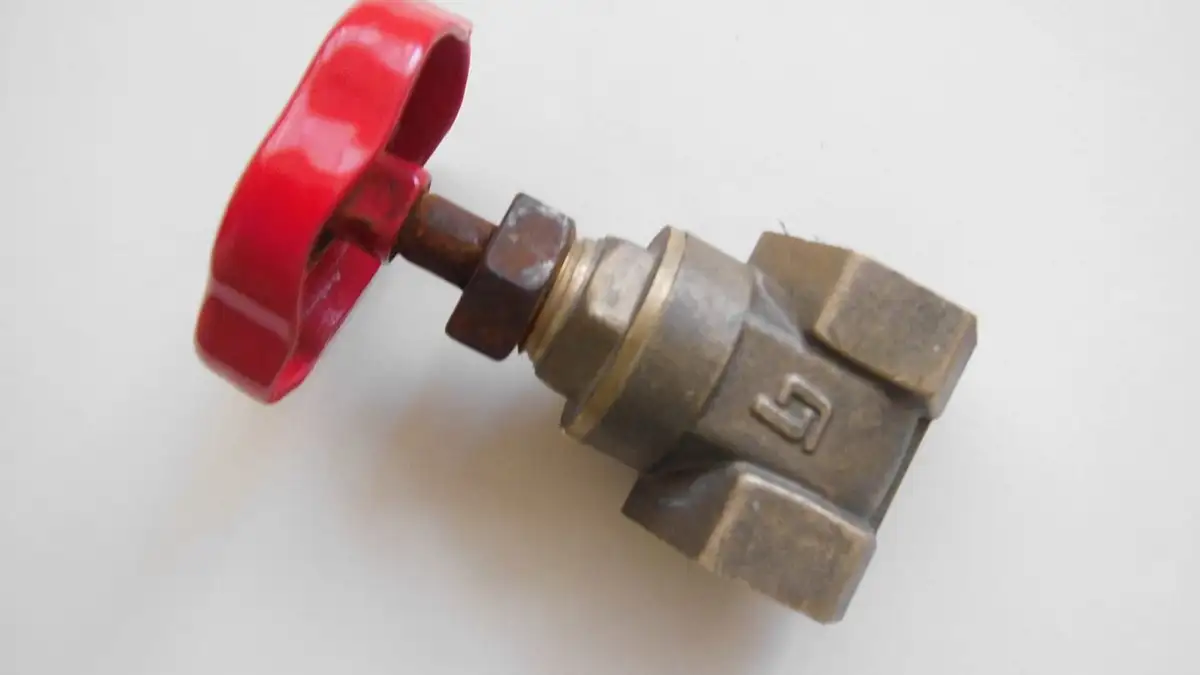

The stopcock is the most important valve in the house and the least exercised.
Seized, weeping or spinning uselessly, it fails on the one night it matters, replacing it is cheap insurance with a very bad failure mode.
Stopcock replacement in London: what the price includes
- Like-for-like or upgrade. Traditional screw-down or quarter-turn lever valves, the lever wins for anyone with weaker hands.
- Freeze-window swaps. Mains isolated at the boundary while we work, water off for under an hour.
- Boundary valve checks. We confirm the outside meter valve works too, so you always have a second way to shut off.
- Surestop options. Push-button and remote-switch stopcocks where the pipework hides somewhere unreachable.
- Replaced under pressure where the main cannot be isolated. Many London properties have no working external isolation, which is exactly why the internal stopcock was never replaced. We can change one live using a freeze kit on the supply, so a seized stopcock does not have to wait for the water board.
Local conditions we work around
Hard water seizes London stopcocks, and it does it silently, the valve sits untouched for twenty years while scale welds the spindle, and the first time anyone tries to turn it is the night of a burst, when it will not move or will not reseal. That is a genuinely common London failure and the reason a stopcock is worth replacing before you need it. In flats, knowing whether you have your own isolating valve or depend on a communal one is worth establishing now rather than at 3am.
Questions people ask
My stopcock spins but nothing happens
The gate has detached inside, the valve is failed open. It still looks fine, which is why nobody finds out until an emergency.
How often should I test it?
Twice a year: close, open, done. A stopcock exercised occasionally lasts decades; one untouched for twenty years seizes exactly when the kitchen is flooding.
Where even is mine?
Under the kitchen sink in most houses; hall cupboards, cellars and under floorboards in older London stock. Finding and labelling it is part of the visit.
Why does this matter if nothing is leaking?
Because the one moment you will need it is the moment you cannot wait. A seized stopcock turns a manageable burst into a flooded floor while somebody hunts for the outside valve in the dark. It is the cheapest insurance in the house.
Mine turns but the water does not stop.
The internal washer or the gate has failed, common on older gate valves, and common on any stopcock that has not been turned in a decade. It needs replacing rather than adjusting. Exercise a new one twice a year and it will not do this.
Where is my stopcock likely to be?
Under the kitchen sink most often, then a downstairs cloakroom, an airing cupboard, or under the stairs. In London flats it is frequently outside the property entirely, in a communal riser cupboard, worth locating now rather than at 2am.