
Bathroom Leaks: How to Find Where the Water Is Coming From
By Emergency Plumb,
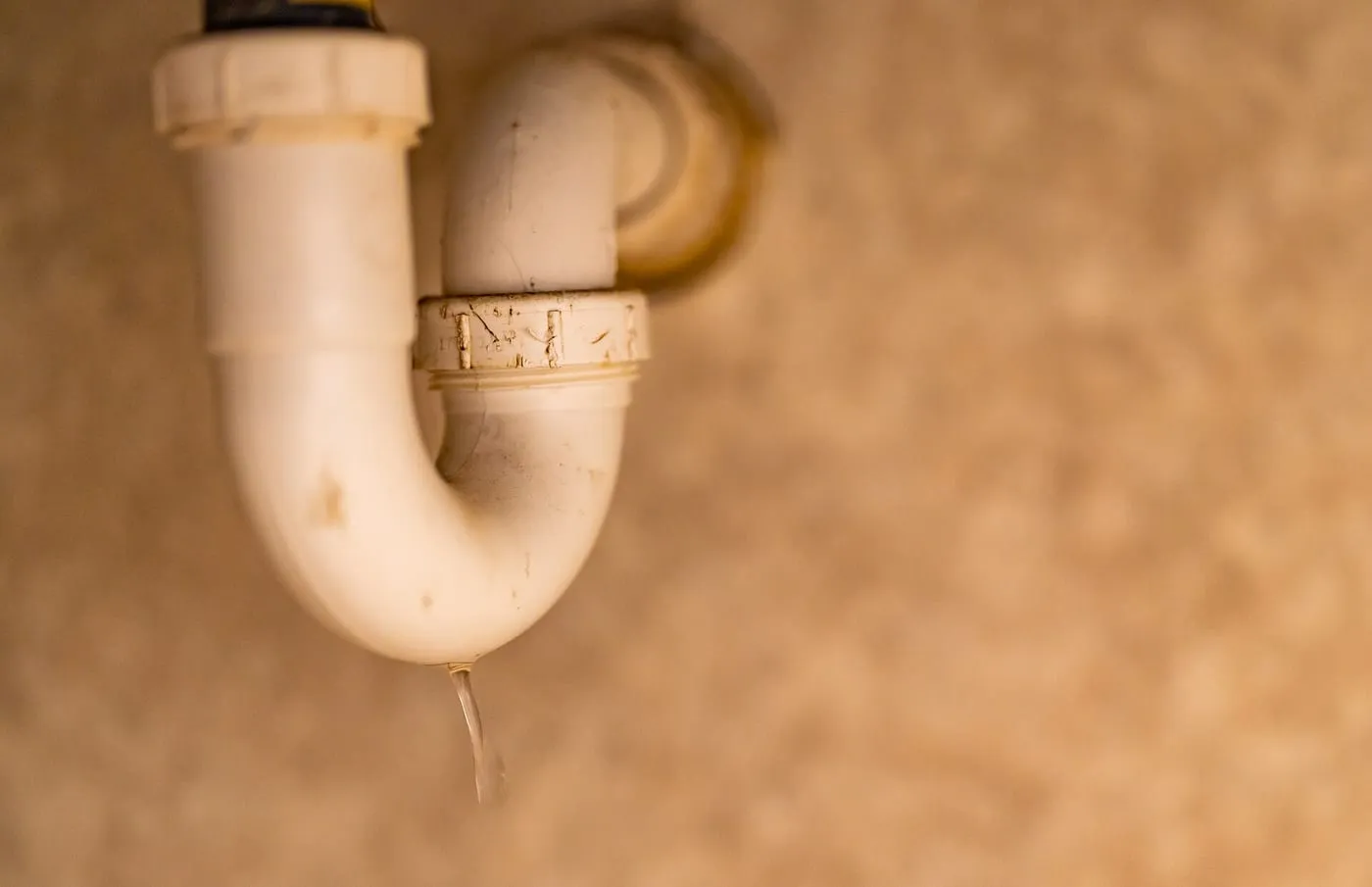
.jpg)
Under the bath, the shower tray or the toilet?
Short answer: First, work out when the leak happens. A leak that appears only after a shower or bath is a failed seal or waste pipe. A leak that drips all the time is a supply pipe joint under pressure. Then test the shower tray, the screen, the toilet seal and the cistern one at a time.
How do I find a leak in my bathroom?
Start by working out when the leak happens. If water only appears after someone showers or has a bath, the problem is a seal or a waste pipe. If it drips all the time, even when nobody has used the room, it is almost always a supply pipe that is under pressure. That one question narrows a bathroom leak down to a handful of places, and the simple tests below narrow it further. Before you start, if water is anywhere near a light fitting, a shaver socket or an electric shower, switch off that circuit at the fuse box and do not touch wet electrics.
The three usual causes: silicone, waste or pipe joint
Almost every bathroom leak is one of three things. The first is failed silicone, the rubbery seal along the edge of a bath or shower tray. When it cracks or peels away, water from splashing runs behind it and down the wall. The second is a failed waste, which is the plughole fitting and the pipe underneath that carries used water away. Its seals perish over time and it leaks only while water is draining. The third is a pipe joint on the hot or cold supply, the pipes that bring water to the taps. These are always full of water under pressure, so a weak joint leaks all the time.
The stain on the ceiling below: what it tells you
If your bathroom is upstairs, the ceiling of the room underneath is your best clue. Draw a light pencil line around the edge of the stain and check it over a few days. If it only grows after showers, look at the shower tray, the screen and the shower waste. If it grows after baths, look at the bath waste and the overflow, which is the second hole near the top of the bath. If it grows whether or not anyone has used the bathroom, suspect a supply pipe joint. Also note where the stain sits. Water can run along a joist before it drips, so the stain may be a little way from the real leak, but it is usually close to one fitting. A ceiling that sags or bulges is holding water and can come down, so keep people out of that room and put a bucket underneath.
The tissue test for a leaking toilet seal
Toilets leak in two places: where the pan joins the soil pipe at the back, and around the base. To check, dry the whole area with a towel. Flush the toilet, then press a piece of dry toilet paper against the joint at the back and around the base of the pan. Paper shows even a tiny amount of water that you would never see by eye. If it comes away wet only after flushing, the pan connector, the rubber seal joining pan to soil pipe, has usually failed or moved. If it is wet before you flush, check the small pipe feeding the cistern and the nut underneath the cistern instead, because that pipe is always under pressure. Wear gloves for this. Water from the back of a toilet is not clean.
Is it the shower tray or the shower screen?
Shower leaks are the hardest to pin down because water hits so many surfaces. Split the test in two. First, with the screen and walls kept dry, pour a few jugs of water straight into the tray near the plughole, so it drains without touching anything else. Check below after ten minutes. If the leak shows, it is the tray waste or the tray itself. Next, with the tray kept as dry as you can, use the shower head to spray only the screen, its seals and the corners where the glass meets the tray and wall. If the leak shows now, it is the screen seals or the silicone. Cracked grout on tiled walls lets water in too, so look closely at any lines that have darkened or crumbled.
A cistern leaking into the pan: the food colouring test
Not every leak ends up on the floor. A cistern can leak water into the toilet bowl without stopping, which wastes water and can add to your bill if you are on a meter. Signs include a faint trickle in the pan, the cistern refilling on its own every so often, or a little stream running down the back of the bowl. To check, put a few drops of food colouring into the cistern, not the pan, and do not flush for about half an hour. If colour appears in the bowl, the flush valve or siphon seal is letting water through. This is usually a cheap part to replace, and it is not a flood risk, but it is worth fixing.
When to call for trace and access
If none of these tests points to the cause, or the leak is clearly inside a wall, under a tiled floor or behind a boxed-in bath panel you cannot remove, it is time for a leak detection visit. This is called trace and access. An engineer uses tools such as thermal imaging and moisture meters to find the exact spot, so only a small area needs opening up. Our guide to finding a hidden water leak covers leaks elsewhere in the house and how to use your water meter to confirm one.
What you can safely fix yourself
Replacing tired silicone is a reasonable DIY job. Cut out all the old sealant, clean and dry the surface fully, and fill the bath with water before you apply the new bead so the bath settles to its heaviest position, then leave it full until the sealant cures. Tightening a plastic waste nut by hand, a quarter turn at a time, sometimes stops a drip too. What is not worth guessing at is anything involving a supply pipe, a pan connector or opening up a wall. A wrong move there can turn a slow drip into a flood. If water is already pouring through a ceiling, turn off the stopcock first, then call.
Questions people ask
Why is water leaking through my ceiling from the bathroom?
Usually failed silicone, a leaking waste under the bath or shower, or a supply pipe joint. If the stain only grows after someone showers or bathes, it is a seal or waste. If it grows all the time, it is a supply pipe. Turn off any electrics near the wet area first.
How do I know if my shower tray is leaking?
Pour jugs of water straight into the tray near the plughole while keeping the screen and walls dry, then check below. If the leak appears, it is the tray waste or the tray. If it only appears when you spray the screen and its seals, it is the screen or the silicone.
How can I tell if my toilet is leaking at the base?
Dry the area, flush, and press dry toilet paper against the joint at the back and around the base. Wet paper after flushing usually means the pan connector has failed. Wet paper before flushing points to the feed pipe or the nut under the cistern.
How do I check if my cistern is leaking into the bowl?
Put a few drops of food colouring in the cistern and do not flush for about half an hour. If colour appears in the pan, the flush valve or siphon seal is letting water through. It wastes water but is not a flood risk, and the part is usually cheap.
How much does bathroom leak detection cost?
There is no call-out charge. It is £99 for the first hour, then £49 for each additional half hour, plus the cost of parts, and the same at any hour of the day or night.