
Signs You Have a Hidden Water Leak (and What to Do)
By Emergency Plumb,
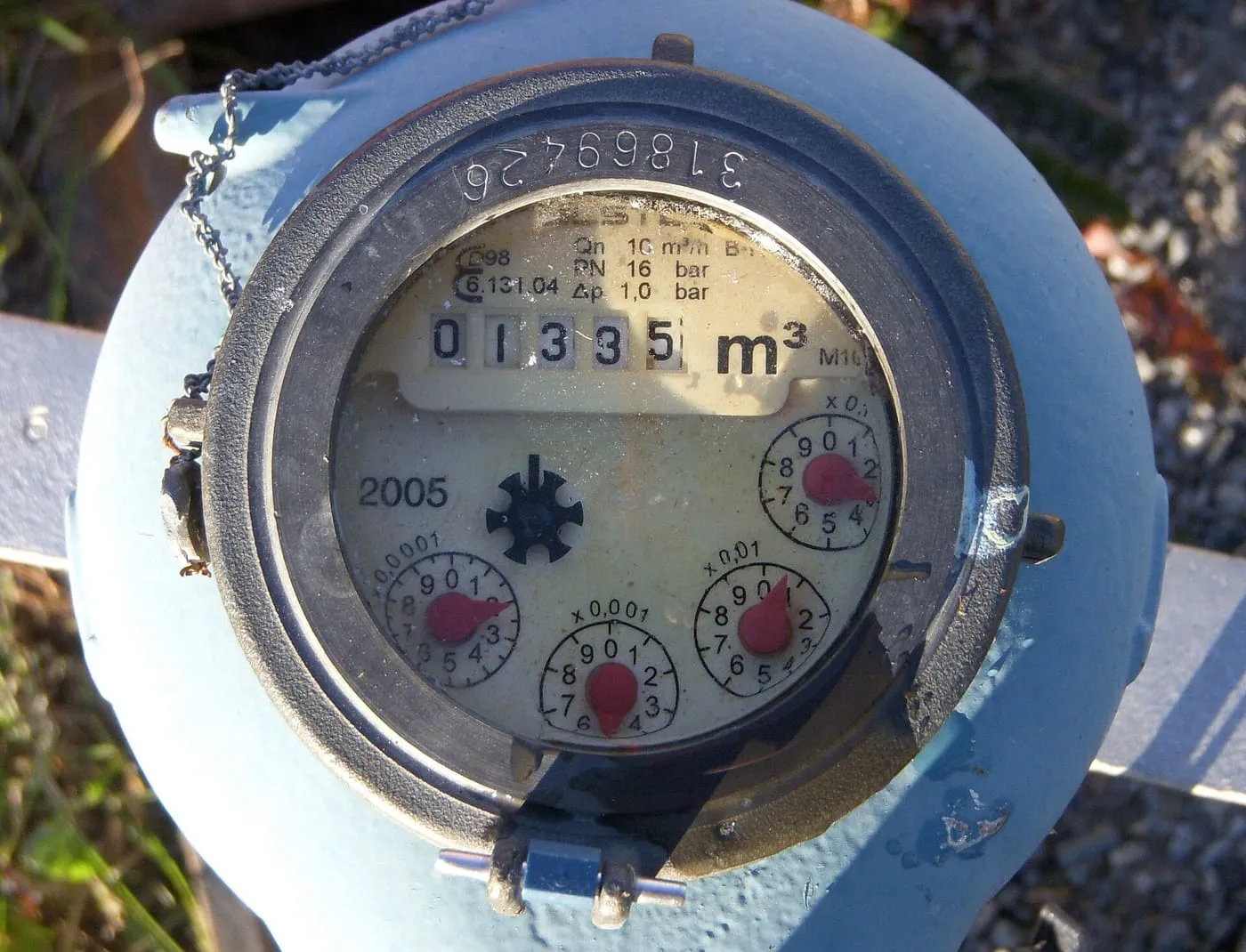

Higher bills, warm floor patches, a meter that ticks overnight, how leaks announce themselves.
Short answer: The reliable test is the meter test: turn off every tap and appliance, photograph the water meter, wait two hours without using water, then photograph it again. Any movement means a leak on your side of the meter. Other signs are a warm patch on a solid floor, unexplained damp, and boiler pressure needing weekly topping up.
The tells
A water bill that climbs without a reason. A hot spot on a solid floor. Low boiler pressure that needs topping up weekly. A meter that moves when every tap is off overnight. Damp or salts on a wall with no plumbing visibly near it. Any two of these together deserve investigation.
The meter test
Turn off every outlet, photograph the meter, wait two hours without using water, photograph it again. Movement means a leak on your side of the meter. This one free test settles most arguments with insurers and water companies.
Why detection beats exploration
Acoustic and thermal detection finds a buried leak within centimetres, so one floorboard comes up instead of six. It costs more than a speculative hole; it is far cheaper than three speculative holes. Insurers increasingly expect a detection report before they pay out trace-and-access claims.
How detection actually works
Acoustic correlation puts microphones on the pipework either side of a suspected run and triangulates the sound a pressurised leak makes. Thermal imaging maps the heat plume from a hot-water leak under a solid floor. Tracer gas, hydrogen and nitrogen introduced into a drained pipe, escapes at the fault and is detected at the surface. Most jobs use two of the three.
Trace and access: the cover people forget they have
Most UK home policies include cover specifically for finding a leak and reinstating what had to be opened to reach it. It is separate from the escape-of-water cover for the damage. Insurers want a report with cause, position, depth, photographs and the repair carried out, which is why the report matters as much as the detection.
Leaks that are not on your water supply
Not everything wet is a plumbing leak. Failed pointing, a blocked gutter, a cracked shower tray seal, a failed damp-proof course and condensation all produce damp that looks identical to a pipe leak. The meter test is what separates them: if the meter moves with every outlet closed, it is your supply. If it does not, stop looking at the plumbing.
Questions people ask
How can I tell if I have a water leak underground?
The meter test is the first step because it costs nothing. Beyond that, a warm strip on a solid floor suggests a hot feed leaking under screed, and unusually green or lush grass over a supply run in dry weather is a classic outdoor tell.
How much does leak detection cost?
There is no call-out charge. It is £110 for the first hour, then £45 for each additional half hour, plus the cost of parts, and the same at any hour of the day or night.
Does home insurance cover a hidden leak?
Most policies cover the resulting damage under escape of water, and many cover trace and access - the cost of finding it. They rarely cover the failed pipe itself. Tell your insurer before you start opening anything up.
My boiler pressure keeps dropping - is that a leak?
A sealed heating system does not consume water, so if you are topping up more than once every few months, it is going somewhere. That is a leak on the heating circuit, not a habit. See our guide on boiler pressure.