
Frozen Pipes & Seasonal Prevention
.jpg)
The cheap ten-minute jobs that prevent the expensive 2am ones.
Why frozen pipes burst at the thaw, not the freeze
Water expands about 9% as it freezes. In a sealed pipe that expansion has nowhere to go, so pressure builds between the ice plug and the nearest closed tap until something splits, usually a joint, usually somewhere you cannot see. Nothing leaks while it is frozen, because the ice is plugging its own hole. The flood arrives when it thaws, which is why our busiest day of a cold snap is the day it ends.
The October checklist
Lag every pipe in an unheated space, loft, garage, under a suspended ground floor, and the external condensate pipe from the boiler. Fix dripping taps, because a drip is how an ice plug starts. Find your stopcock and turn it twice so it does not seize. If the house will be empty, leave the heating on low rather than off. Under an hour of work, and it prevents the large majority of what we attend in January.
If they freeze anyway
Turn the stopcock off first, before you thaw anything, then open the nearest cold tap to give melt water somewhere to go. Thaw gently from the tap end backwards with a hair dryer on low, warm towels or hot-water bottles. Never a blowtorch or a heat gun: rapid heating can burst the pipe outright and has set fire to more than one loft. Have towels down before you start, because if it has already split you will find out as it melts.
The condensate pipe: the most common winter lockout
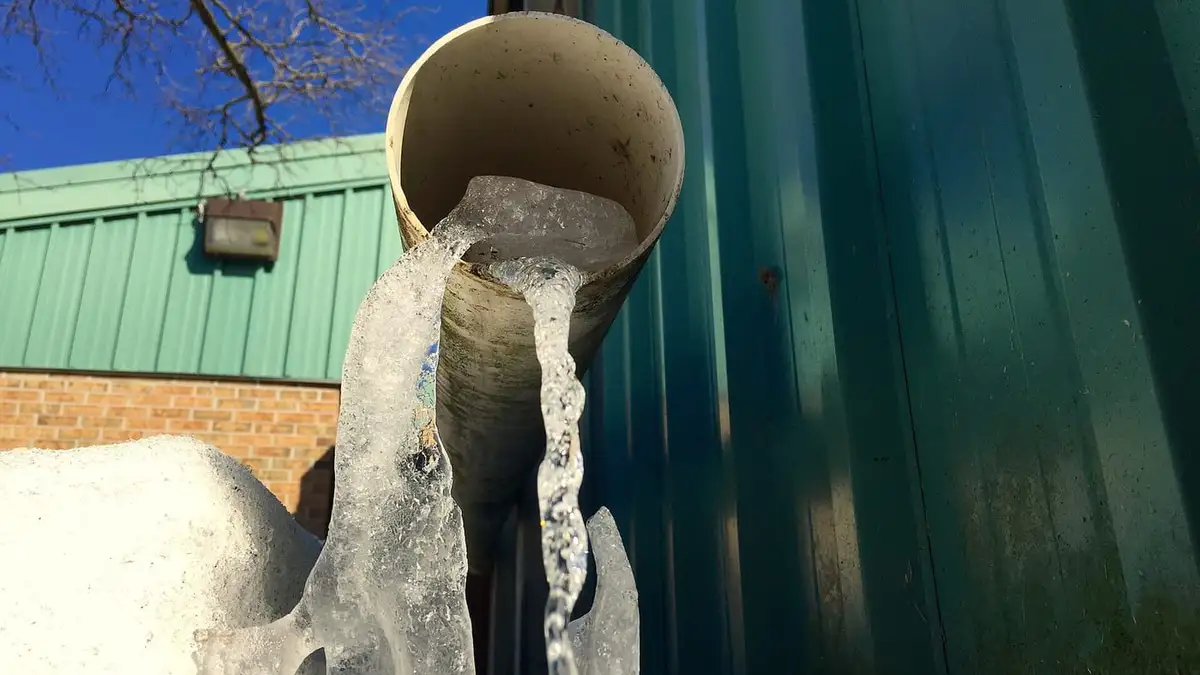
Modern condensing boilers drain acidic condensate through a plastic pipe, and where that pipe runs outside it freezes and locks the boiler out. Pouring warm water along its length usually brings the boiler straight back with a reset. Lagging it, or having it rerouted internally, stops it recurring, and it is the single most frequent cause of no heat in a cold snap.
Prevention that pays the rest of the year
Exercise the stopcock twice a year. Service the boiler in September rather than October, when everybody else books. Clear the gutters after leaf-fall, because rainwater that misses the gutter ends up in the wall. And in hard-water London, deal with scale before it reaches the heat exchanger. None of it is interesting. All of it is cheaper than what it prevents.
Guides
Low Water Pressure in the House: Causes and Checks
When every tap is weak, not just the shower, the cause is usually the stopcock, the supply, a leak or old pipes. Here is how to find out which.
What Is Pipework Lagging, and Which Pipes Need It?
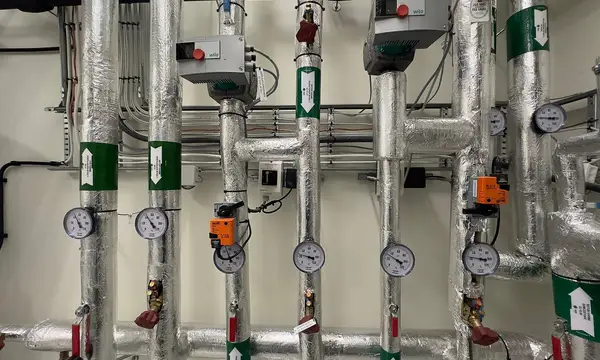
Lagging is a foam jacket that stops pipes freezing. Here is which pipes to cover, what thickness to buy, and the one thing never to lag.
Going Away? The Plumbing Checklist Before You Leave
Five minutes at the door that prevents coming home to a swimming pool.
The Annual Plumbing Check-Up
Fifteen minutes a year that catches the failures before they choose their own timing.
Damp, Mould and Your Plumbing
When black mould is a leak, when it is condensation, and how to tell before spending money.
Eco-Friendly Plumbing That Lowers Your Water Bill
The changes that genuinely cut water and heating costs, ranked by payback.
The Winter Plumbing Checklist Every Home Needs
Ten minutes in November that prevent the two most expensive January callouts.
Questions people ask
How do I stop my pipes freezing?
Lag anything in an unheated space, including the boiler condensate pipe outside. Fix dripping taps. Keep the heating on low rather than off if the house is empty. In a prolonged freeze, opening the loft hatch lets warm air into the coldest part of the house, which is where most burst pipes happen.
What do I do if a pipe has already frozen?
Turn the stopcock off first, then open the nearest cold tap. Thaw gently from the tap end with a hair dryer or hot-water bottles, never a naked flame. Keep towels and a bucket ready: if the pipe has split, the leak begins the moment it thaws.
At what temperature do pipes freeze?
Water freezes at 0°C, but a pipe in an unheated loft can sit several degrees below the outside air on a clear night. Sustained temperatures around -1°C to -3°C over a night or two are enough for exposed or poorly lagged pipework. It is duration that does it, more than the low point.
My boiler stopped working in the cold snap.
Nine times out of ten that is a frozen condensate pipe rather than a boiler fault. Find the plastic pipe leaving the boiler through the external wall and pour warm, not boiling, water along it, then reset. If it comes back, lag it before the next freeze.