
Damp, Mould and Your Plumbing
By Emergency Plumb,
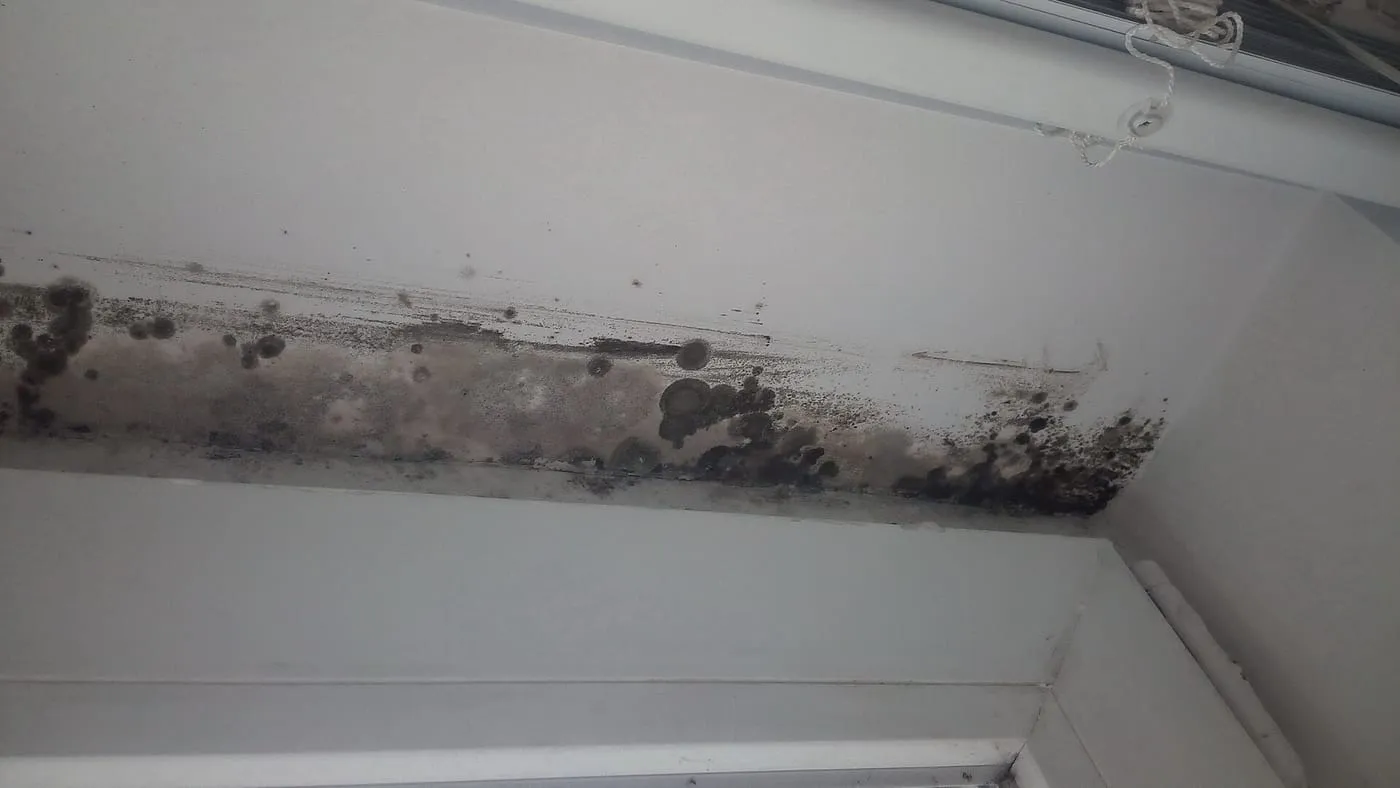

When black mould is a leak, when it is condensation, and how to tell before spending money.
Short answer: Distinguish condensation from a leak before treating anything. Condensation appears on cold surfaces, in corners and around windows, and is worst in winter. A plumbing leak produces a defined damp patch that does not dry out, often with staining or salts, and it stays wet regardless of ventilation.
Leak or condensation?
Mould in a cold corner of an outside wall or around window reveals is usually condensation. A defined damp patch that grows regardless of season, especially on an internal wall or ceiling, is water from somewhere, and that somewhere is often pipework.
The plumbing culprits
Weeping joints inside voids, failed shower sealant, a slow toilet pan leak, or a heating pipe under a solid floor. The meter test and a moisture map find them without opening anything speculatively.
Why speed matters
Mould spores affect breathing, and structural timber that stays wet rots quietly. If a damp patch survives two weeks of ventilation and heating, stop redecorating over it and get the source found.
Condensation, penetrating or rising: they look alike
Condensation appears on cold surfaces, worst in corners and behind furniture, and comes with black spot mould. Penetrating damp tracks from an external defect and worsens after rain. Rising damp stops at a consistent height with a tide mark. A plumbing leak is none of these, it usually has no seasonal pattern and does not respect the geometry.
The plumbing causes worth ruling out
A slow leak in a buried heating pipe, a failed shower tray seal, a leaking waste in a wall void, or an overflowing gutter soaking a wall. The meter test settles supply leaks. Timing the damp to when a shower is used settles the second. Neither takes equipment, and both are worth doing before anyone quotes for a damp-proof course.
Ventilation is usually the answer
Most household damp is condensation, and most condensation is warm moist air with nowhere to go. Extractors that actually vent outside rather than into a loft, run for fifteen minutes after a shower, plus trickle vents left open, resolve a great deal of it. Chemical treatments applied to a condensation problem achieve nothing at all.
Questions people ask
How do I tell condensation from a leak?
Condensation is widespread, worse on cold external walls and windows, and improves with ventilation and heating. A leak is localised, does not respond to ventilation, and the patch usually has a defined edge. If a damp area survives two weeks of heating and airing, stop redecorating and find the source.
Can a hidden leak cause mould?
Yes, and it is the version people miss because there is no visible water. A slow leak inside a wall or under a floor keeps plaster and timber permanently damp, and mould follows. Persistent mould in one specific area, rather than generally, is worth investigating as a leak.
Is black mould dangerous?
It affects breathing, particularly for asthma sufferers, children and the elderly, and prolonged damp rots structural timber quietly. Treating the surface without removing the moisture source means it returns within months.
Who is responsible for damp in a rented property?
Landlords are responsible for repairing leaks and for structural causes of damp. Tenants are generally expected to ventilate and heat reasonably. Under the Homes (Fitness for Human Habitation) Act 2018, serious damp and mould can make a property legally unfit.