
The Annual Plumbing Check-Up
By Emergency Plumb,
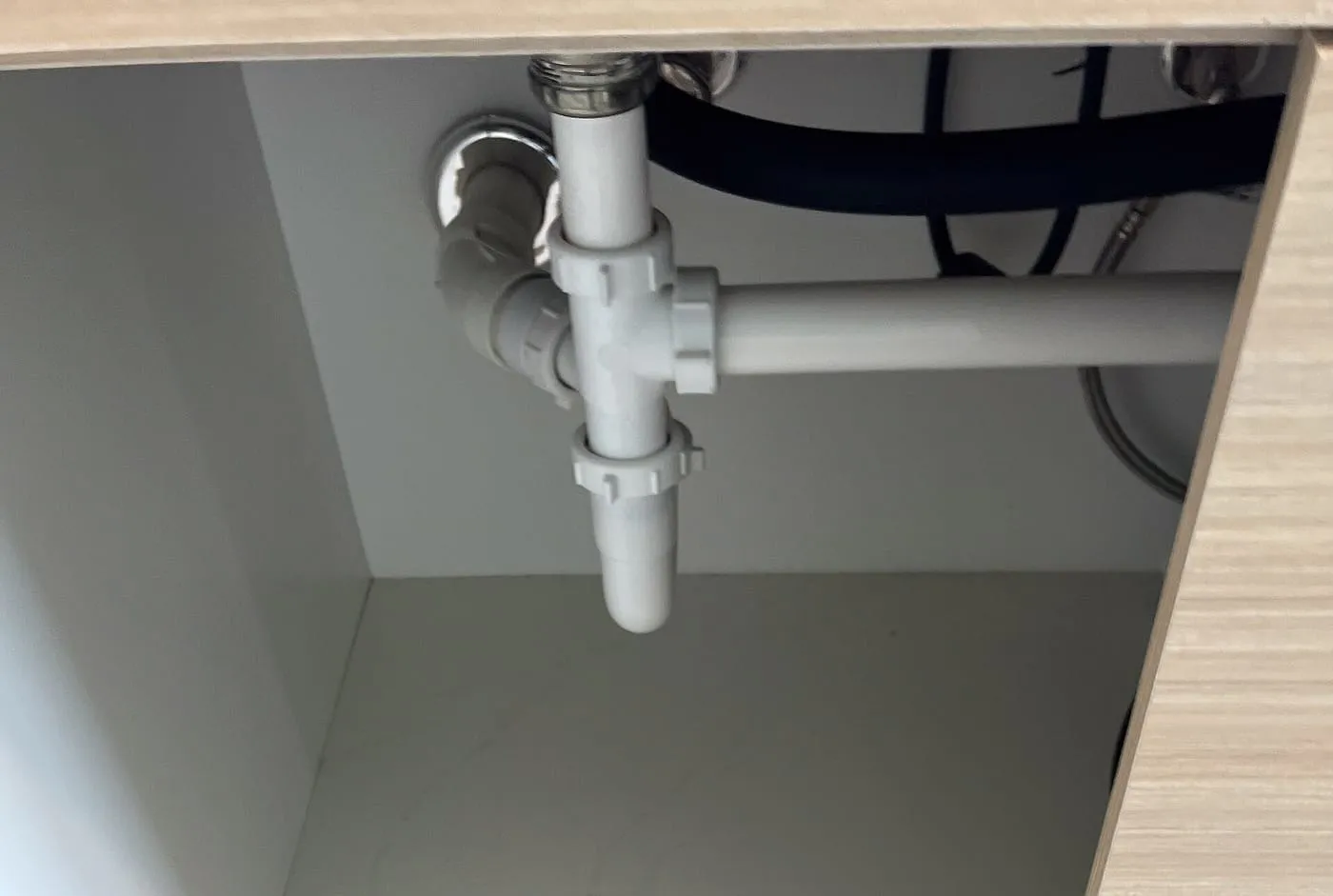

Fifteen minutes a year that catches the failures before they choose their own timing.
Short answer: Once a year, test the stopcock actually turns, check visible pipework and under-sink traps for damp, bleed the radiators and repressurise, check the loft tank lid and insulation, and have the boiler serviced. The whole thing takes an afternoon and catches the failures that otherwise arrive as emergencies.
The walk-round
Exercise the stopcock. Look under every sink with a torch. Check visible pipe runs for green or white crust, which is a slow leak advertising itself. Flush each toilet and listen for refill that never stops. Check the boiler pressure gauge, and book an annual boiler service with a heating engineer if the last one was more than a year ago.
Outside
Gully grids clear, overflow pipes dry, outside tap isolated in winter, gutters actually discharging into the drain rather than down the wall.
What it buys you
Most plumbing disasters are slow failures that were visible for months.
The ten-minute annual test
Turn the stopcock fully off and on. Check under every sink with a dry hand. Look at the boiler pressure. Check the small copper pipe outside near the boiler for drips. Read the meter with everything off, wait two hours, read it again. Five checks, and between them they catch most developing problems before they become events.
What to have done professionally
A boiler service annually by a boiler engineer, which the warranty almost certainly requires. An unvented cylinder service annually, which is a safety matter rather than a preference. And in a rented property, the landlord’s yearly gas check, which is a legal duty. Everything else is symptom-led rather than scheduled.
Keep the records
Service records, certificates, the benchmark book, and photographs of anything now hidden behind plaster or under a floor. Warranty claims, insurance claims and conveyancing all turn on these, and every one of them is far easier to file as you go than to reconstruct under pressure years later.
Questions people ask
How often should plumbing be checked?
Annually for the homeowner checks, and annually for the boiler service. Landlords also have a legal duty to have the gas appliances checked every 12 months, which is separate from a service and does not replace it.
Why does my stopcock need testing?
Because a stopcock that has not moved in twenty years frequently will not move when you need it, or will not reseal afterwards. Turning it fully off and on once a year keeps it free - and it is the single valve that matters most in an emergency.
What are the early warning signs of plumbing failure?
Boiler pressure needing regular topping up, damp or salts on a wall with no visible plumbing, water bills climbing without a change in usage, slow drainage in more than one outlet, and any tap or valve that has become stiff.
Is an annual boiler service worth the money?
Yes, on two grounds beyond safety: most manufacturer warranties are void without documented annual servicing, and the service is where scale, sludge and inhibitor levels get caught before they cost you a heat exchanger.