
Low Water Pressure in the House: Causes and Checks
By Emergency Plumb,
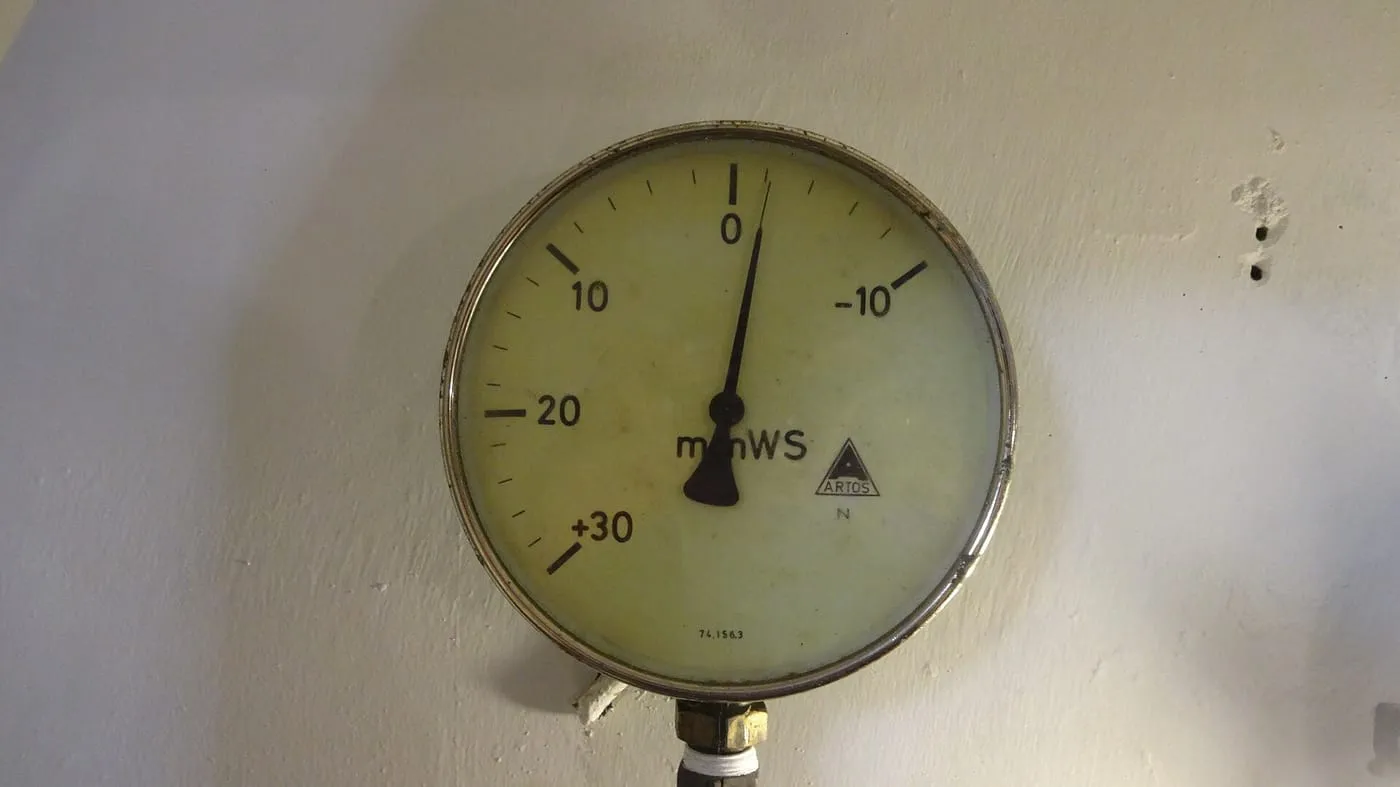

When every tap is weak, not just the shower, the cause is usually the stopcock, the supply, a leak or old pipes.
Short answer: Low water pressure throughout a house is usually caused by a stopcock that is not fully open, a problem with the water company’s supply, a hidden leak, or old lead or iron supply pipes narrowed inside. Check the stopcock first, then ask neighbours and check Thames Water’s postcode service page.
Why is the water pressure low in my whole house?
Low water pressure in the whole house usually has one of four causes: a stopcock that is not fully open, a problem with the water company’s supply, a hidden leak, or old supply pipes narrowed inside by rust or scale. Check the stopcock first, because it is free and takes a minute. If only the shower is weak and the taps are fine, see our separate guide to low water pressure in a shower instead.
Has it dropped suddenly or gradually?
This is the most useful question to answer first. A sudden drop, where the pressure was fine yesterday and weak today, points to something that changed: a supply problem in the street, a stopcock someone has turned, or a new leak. A slow decline over months or years points to something that builds up: old iron pipes rusting inside, limescale in fittings, or a filter or softener slowly clogging. Knowing which it is saves a lot of guessing.
Is your stopcock fully open?
Find your internal stopcock. In most London homes it is under the kitchen sink, but it can be under the stairs, in a cupboard or under a floorboard near the front door. Turn it anticlockwise as far as it will go, then back a quarter turn so it does not stick. It is very common for a stopcock to be left half closed after building work or a repair. If it will not turn at all, do not force it with a wrench, because old stopcocks can snap. Also check any other valves on the incoming pipe, and if you have a water meter, the valve next to it.
Is it a Thames Water supply problem?
Ask a neighbour or two whether their water is weak too. If it is, the problem is almost certainly in the water company’s network, such as a burst main or repair work nearby. Thames Water supplies most of London and has a page on its website where you can enter your postcode to see current problems in your area. Pressure also dips at busy times of day, such as early morning, when a whole street is showering at once. If the problem is theirs, report it to them. There is nothing a plumber can do inside your house to fix a mains problem in the street.
Could a hidden leak be causing low pressure?
A leak on your supply pipe, underground or under a floor, lets water escape before it reaches your taps. Signs include a damp patch that will not dry, a hissing sound when everything is off, a higher water bill, or grass that stays unusually green along one line. If you have a water meter, turn off every tap and appliance, note the reading, wait an hour without using any water, and read it again. If the numbers have moved, water is going somewhere.
Old lead or iron supply pipes
In many older London houses, the pipe bringing water in from the street is lead, or galvanised iron. Iron pipes rust inside, and the rust slowly narrows the bore until very little water gets through. Lead pipes are soft and grey, do not ring when tapped, and show a bright silver colour if you scratch them gently with a coin. Lead is also a health concern, because it can dissolve into drinking water, especially in pipes that stand unused overnight. The supply pipe from your property boundary to the house is usually the homeowner’s responsibility. Replacing it with modern plastic pipe fixes both the pressure and the lead in one job.
Test your flow with a bucket and a timer
You can measure your water flow in a simple way. Take a bucket of a known size, such as a ten-litre bucket. Turn the kitchen cold tap fully on, because that tap usually comes straight from the mains, and time how long the bucket takes to fill. Divide the litres by the seconds and multiply by sixty to get litres per minute. Write the number down. It gives you something to compare against, whether with a neighbour’s house, with the same test on another day, or after a fix. It is also useful information to give a plumber or Thames Water. While you are there, run the hot tap too. If only the hot is weak, the problem is more likely the boiler, the hot water cylinder or a blocked filter than the supply. And unscrew the aerator, the small mesh on the end of the spout, as limescale and grit collect there and can make a single tap feel much weaker than the rest.
When is a pump or an accumulator the answer?
Only once the causes above are ruled out. If your house has a cold water tank in the loft feeding the taps, low pressure upstairs is normal, and a pump can help, often just for the shower. If you are on mains pressure and the flow is fine when one tap runs but falls away when two or three run together, an accumulator may help. It is a tank that stores mains water under pressure and releases it at busy times. Fitting a pump directly on the incoming mains pipe is restricted under water regulations and needs the water company’s consent, so do not buy one online and fit it yourself. We charge £99 for the first hour and £49 per extra half hour to investigate, plus the cost of parts, with no call-out fee.
Questions people ask
Why has my water pressure suddenly dropped?
A sudden drop usually means something has changed: a burst main or repair work in the street, a stopcock that has been turned, or a new leak. Ask your neighbours and check Thames Water's website for problems in your postcode before anything else.
How can I check my water pressure at home?
A simple flow test works. Time how long the kitchen cold tap, fully on, takes to fill a bucket of known size, then work out the litres per minute. Write it down so you can compare it with a neighbour's house or with the same test after a fix.
Who is responsible for low water pressure?
If the whole street is affected, it is the water company's network. If only your home is affected, the cause is usually on your side, such as your stopcock, a leak, or the supply pipe between your boundary and the house, which is normally the homeowner's responsibility.
Can old pipes cause low water pressure?
Yes. Galvanised iron supply pipes rust inside and slowly narrow, and old lead pipes are common in older London houses. Replacing the supply pipe with modern plastic pipe improves the flow and removes the lead at the same time.
Should I fit a water pump to boost pressure?
Only after the causes are ruled out. Pumps suit homes with a cold water tank in the loft. Fitting a pump directly on the incoming mains is restricted under water regulations and needs the water company's consent.