
Going Away? The Plumbing Checklist Before You Leave
By Emergency Plumb,
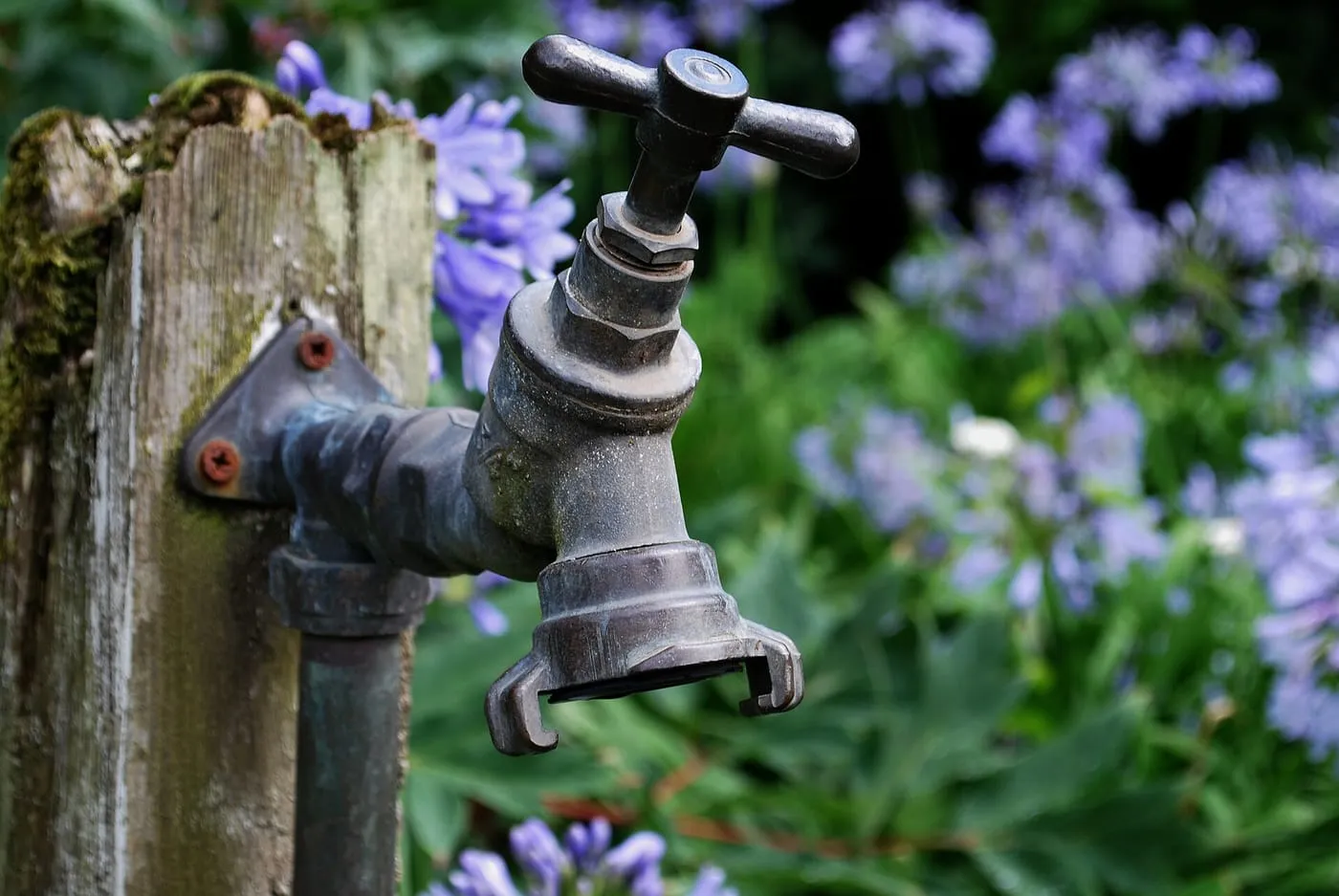

Five minutes at the door that prevents coming home to a swimming pool.
Short answer: Before leaving: turn the stopcock off, open a tap to drain pressure from the system, leave the heating on a frost setting of 12-14°C in winter, check no appliance is left running, and give a neighbour a key and your plumber’s number. An unattended leak is the most expensive thing that can happen to an empty house.
The one that matters most
Turn the stopcock off. An empty house with the mains off cannot flood, whatever fails while you are away. For trips over a week, open a tap afterwards to drop the pressure in the pipes.
In winter
Heating stays on low, 12 to 15 degrees, not off. Frost damage to an unheated house costs more than a fortnight of gentle heating every time. If the house will be empty for months, drain the system down properly instead.
Worth two extra minutes
Washing machine valves off (hoses fail at full pressure), dishwasher too, and a neighbour with a key plus our number on the fridge. The difference between a drip and a disaster is usually how many days nobody noticed.
Short absences
Under a fortnight, the main thing is heating: leave it on low, around 12 to 14°C in winter, rather than off. Turn the stopcock off if nobody will visit. Run every tap and flush every toilet before you leave so no trap is left to evaporate, and again when you return.
Long absences and winter voids
Drain the system: stopcock off, every tap open until dry, toilets flushed, and the boiler left on frost protection or drained per its manual. Empty washing machine and dishwasher hoses. Leave a key with a neighbour and tell them where the stopcock is, the difference between a wet floor and a wet house is who can reach the valve.
What insurers actually require
Most policies impose conditions on unoccupied properties, commonly after 30 or 60 days: heating maintained at a minimum temperature, or the system drained, plus periodic inspections. These conditions are frequently unmet and frequently decisive when a claim is assessed. It is worth reading that clause before the trip rather than after the flood.
Questions people ask
Should I turn the water off when I go on holiday?
For anything longer than a weekend, yes. It is the single action that turns a potential flood into a small puddle. Turn the stopcock off and open the lowest tap to relieve the pressure in the pipework.
Should I leave the heating on while away in winter?
Yes, on a frost setting around 12-14°C. Turning it off entirely is a false economy - a burst pipe costs far more than a fortnight of low background heating, and most insurers expect reasonable precautions.
Does home insurance cover leaks while you are away?
Many policies restrict cover for unoccupied properties, often after 30 days, and some require the water to be turned off or the heating maintained. Check the unoccupancy clause before a long trip - it is one of the most common reasons claims get declined.
What should I do about the boiler?
Leave it powered and on a frost setting rather than switching it off at the isolator. A boiler left off through a cold snap cannot protect itself or the system, and some models need a power cycle and repressurising to come back.