
Frozen Pipes in London
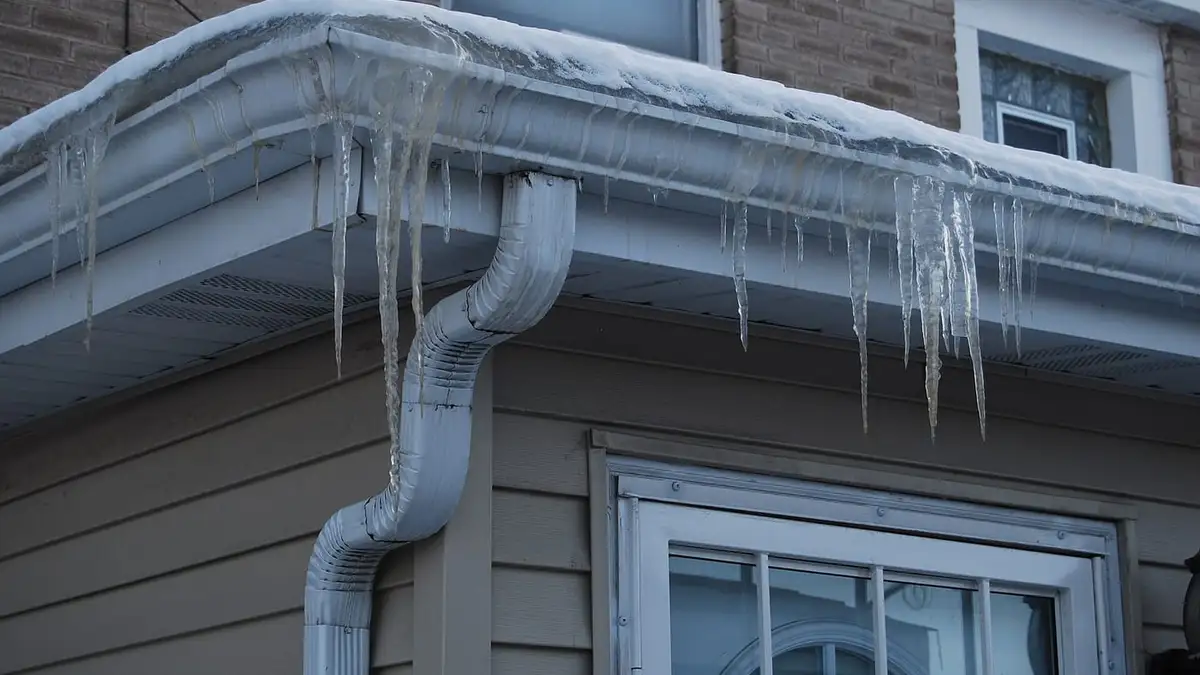

A frozen pipe is a burst pipe on a timer, the split happens under the ice, and the flood arrives at thaw.
Thawed carefully and checked properly, most freezes end without a drop on the floor.
Frozen pipes in London: do this now, while you wait
-
Turn off the stopcock nowIf the pipe has split under the ice, this is what stands between you and a flood at thaw.
-
Open the nearest cold tapGives melting water and pressure somewhere to go.
-
Thaw gently, from the tap endHair dryer, hot water bottles, towels soaked in warm water. Never a naked flame, and never start at the middle of the run.
-
Towels down before you warm anythingIf it has split, the leak starts as the ice retreats. Be ready for it.
What causes frozen pipes in London
- Unlagged runs in cold spaces. Lofts, garages, under suspended floors, anywhere the heating doesn’t reach.
- Outside taps left connected. A hose left on traps water in the tap body; first hard frost splits it.
- Heating off in empty homes. The most expensive economy in plumbing, a frozen house with the heating “off to save money”.
- Condensate pipes. The boiler’s white overflow pipe freezes and locks the boiler out, different symptom, same cold snap.
Local conditions we work around
Freezes in London are less about outright cold and more about where the pipe sits. Loft runs above the insulation line, pipework in unheated basement and vault spaces under pavements, and external condensate pipes on flats are what actually freeze here. The condensate is the most common winter lockout of the lot and rarely needs a plumber at all: warm, not boiling, water poured along the outside pipe and a boiler reset usually brings it straight back, and lagging stops it recurring.
Questions people ask
No water is coming out but nothing looks frozen, is it?
If it's below zero and one part of the house is dry, almost certainly. Track the dry fixtures back to the coldest space they share, that's where the plug is.
How long does thawing take?
A short accessible freeze, under an hour. Buried or long runs take longer, and we pressure-test after thaw, because “it thawed fine” is when splits announce themselves.
Can you stop it happening again?
Yes, and it's cheap: lagging, an isolation valve for the outside tap, and trace heating for genuinely exposed runs. We quote it while we're there; October is the right month to say yes.
What does it cost?
There is no call-out charge. It is £110 for the first hour, then £45 for each additional half hour, plus the cost of parts, and the same at any hour of the day or night.