
Blocked Drains & Blockages

Clearing what you can, not making it worse, and knowing whose drain it legally is.
Work out how far down the blocked drain is
One slow fixture means the trap or the branch serving it, a plunger job. Several fixtures slow at once means the problem is downstream of all of them, in the stack or the underground run, and no amount of plunging one sink will help. If the toilet bubbles when the bath drains, the blockage is already in the main run. That single observation decides whether this is ten minutes or a drainage callout.
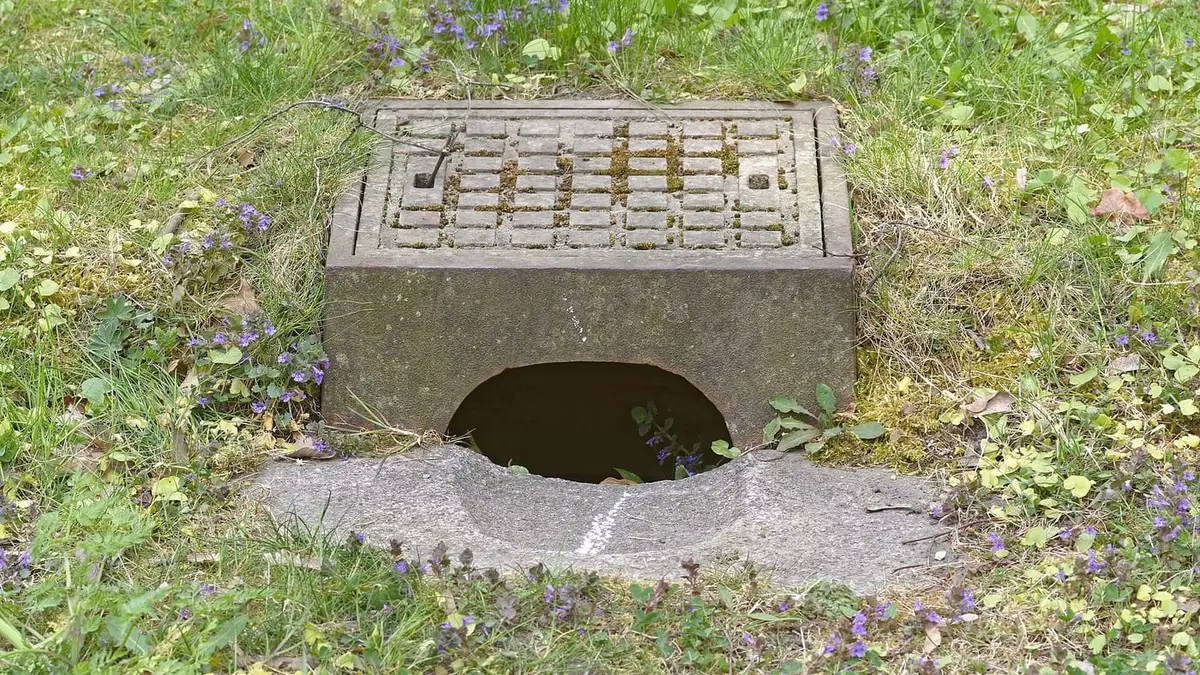
Lift the inspection chamber before you spend money
The chamber cover in the garden or the path tells you almost everything. Empty and flowing means the blockage is between the house and that chamber. Full of standing water means it is downstream, further towards the sewer, and if it is downstream of your boundary, since 2011 it is very likely the water company’s responsibility and their problem to fix free of charge.
What actually causes them
Fat is the overwhelming cause in kitchens: poured warm, it cools and lines the pipe until the bore closes. Wipes are the cause in toilets, including the ones sold as flushable, which do not break down. Roots are the cause underground, finding the joints in Victorian salt-glazed clay. And silt is the cause in long shallow runs that never get enough flow to scour themselves.
What makes it worse
Caustic drain cleaner poured into a fat-lined underground run cools, sets below the blockage, and adds to it, while making the pipework hazardous for whoever opens it next. Repeated forceful plunging against a solid obstruction can displace an already-cracked joint. And pouring boiling water down a plastic waste run can deform it. All three are common, all three are avoidable.
Whose drain is it legally?
Since October 2011, in England and Wales, drains shared with another property and the lateral drain beyond your boundary transferred to the water and sewerage company. What remains yours is the pipework within your own boundary serving only your own property. This matters because people routinely pay for work that was never theirs to pay for, and a camera survey settles it in writing.
Guides
How to Unblock a Gutter Downpipe From the Ground
Signs a downpipe is blocked, how to clear it from ground level with a hose, rods or the shoe, why chemicals rarely help, and when it needs access at height.
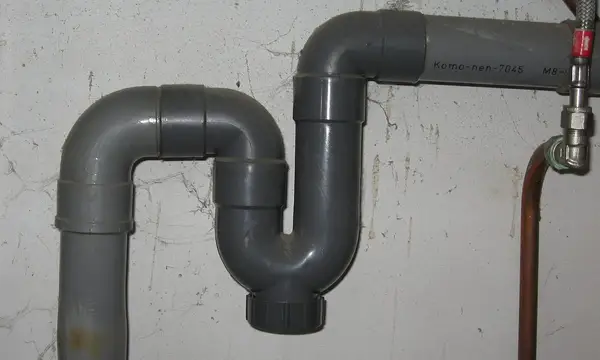
How to Unblock a Sink: Plunger, Trap and Homemade Unblockers
Most blocked sinks clear with hot water, a plunger or ten minutes with the trap off. Here is what works, and what is mostly fizz.
Who Is Responsible for a Blocked Drain in London?
Since 2011, far more of the pipework under London belongs to the water company than most people think. Here is how to work out whose problem it is.
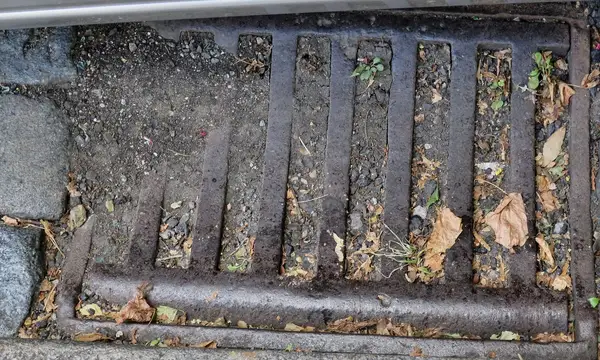
Blocked Outside Drain: What to Do and Who Pays
Lift the cover before you buy anything. Which chamber is full decides both the fix and whose bill it is.
How Water Moves Through a Building
Supply up, waste down: understanding the two systems makes every plumbing decision easier.
Bad Smells From Your Drains: Causes and Fixes
Dry traps, failed seals, broken vents, finding the source instead of masking it.

Blocked Drain? What Works, What Makes It Worse
Plunger, rods, enzyme cleaners, and the two "fixes" that turn a blockage into an excavation.
Questions people ask
How do I unblock a drain myself?
For a single slow fixture, a plunger with the overflow blocked off, or clearing the trap by hand. For an outside gully, gloves and a scoop. Beyond that you need rods and, realistically, a camera to know what you are pushing against. Rods used blind into a cracked clay run can do genuine damage.
Why does my drain keep blocking?
A blockage that returns within months is a symptom, not a cause. Something is holding material, a displaced joint, root intrusion, a sag in the run, or a badly formed connection from an extension. Jetting clears it, a camera explains it, and until the cause is fixed you are on a maintenance subscription.
How much does it cost to unblock a drain?
There is no call-out charge. It is £110 for the first hour, then £45 for each additional half hour, plus the cost of parts, and the same at any hour of the day or night.
Is a blocked drain an emergency?
If waste water is backing up into the property, or a single toilet in the house is unusable, yes, we attend those around the clock. A slow gully or a gurgling sink can safely wait for a booked slot, and we will say so rather than charging emergency rates for something that is not.