
Blocked Outside Drain: What to Do and Who Pays
By Emergency Plumb,
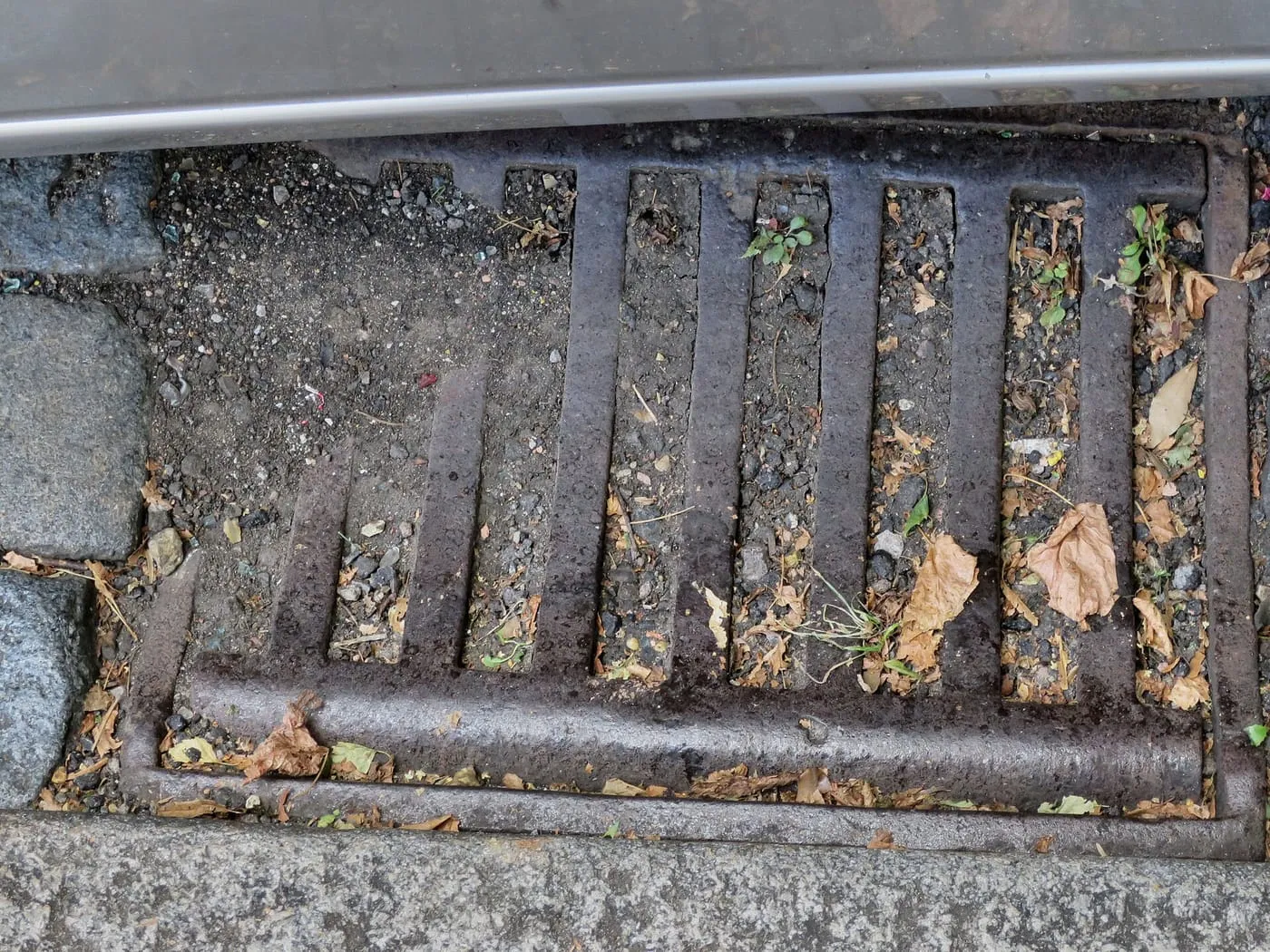

Lift the cover before you buy anything.
Short answer: Lift the inspection chamber covers before buying anything. If the chamber nearest the boundary is full and the one near the house is empty, the blockage is downstream - and since the 2011 transfer that is very often the water company’s responsibility to clear free of charge.
Lift the inspection chamber first
Everything follows from this. Find the drain covers on your property, usually a square metal or plastic lid in a path, drive or garden. Lift the one nearest the house, then the one nearest the boundary. If the chamber near the house is empty but the one at the boundary is full, the blockage is downstream of your property. If the near chamber is full and the far one is empty, it is between them and it is yours.
Clearing it yourself with rods
Drain rods are inexpensive and effective for a blockage within reach. Screw two or three sections together, feed them into the chamber towards the blockage, and add sections as you go. Turn them clockwise only, always, turning anticlockwise unscrews the joints and leaves a section in your drain, which turns a blockage into an excavation. Work with a plunger head first, then a corkscrew head if the obstruction is fibrous.
What is usually down there
Three things account for most outside blockages. Fat, oil and grease, which cool and solidify on the pipe wall and then trap everything passing. Wet wipes, including ones labelled flushable, which do not break down and knit together into a mass. And root intrusion, where a tree root has found a joint in an old clay pipe and grown into it, the classic recurring blockage that returns every year at the same time.
Who pays to clear it
Often not you. A drain inside your boundary that serves only your home is yours, but shared drains and the lateral drain beyond your boundary usually belong to the water company, which in most of London means Thames Water, and they clear those free. Our guide Who Is Responsible for a Blocked Drain walks through every case, including flats, landlords and tenants.
When it keeps coming back
A drain that blocks in the same place repeatedly has a defect, not bad luck. Root intrusion, a displaced or cracked section, or a run laid with too little fall are the usual findings, and no amount of rodding fixes any of them. A CCTV survey identifies the cause and its exact position, and if it turns out to sit in a transferred public sewer, that footage is what gets the water company to repair it at their cost rather than yours.
Outside drain overflowing
If water is coming up out of a drain outside, stop using water in the house first. Every flush, shower and washing machine cycle adds to what is backing up. Next, look at what is overflowing. A gully with a grid, where the kitchen or rainwater pipes run in, often just has leaves, fat or silt sitting on top, and clearing the grid with gloves may fix it. If a manhole or inspection chamber is overflowing, the blockage is further down the main pipe. Keep children and pets away, because the water may contain sewage. Lift the next cover towards the road if you can do it safely: full means the blockage is past it, empty means it is between the two. That tells you, or the person you ring, where to start.
How to clear a blocked drain outside a house (UK)
You will need rubber gloves, eye protection and a set of drain rods, which DIY shops sell. Lift the cover of the chamber nearest the blockage. Screw two or three rods together and fit the plunger head. Push the rods into the pipe that leads towards the blockage, adding more rods as you go. Always turn them clockwise. Turning anticlockwise can unscrew the rods and leave one stuck in the pipe. Push and pull firmly until the water starts to drain. Then run a hose or a few buckets of water to flush it through. Do not pour caustic chemicals into standing water: they rarely work on a solid blockage and can burn whoever opens the drain next. If the rods will not shift it, or it blocks again soon, the pipe itself may be damaged.
Questions people ask
Who pays to clear it?
It depends which side of your boundary the blockage is on, and whether the pipe is shared. Our guide on who is responsible for a blocked drain explains how to tell, and when to ring the water company first.
Why is my outside drain overflowing?
Something is blocking the pipe further down, so water has nowhere to go but up. Stop using water in the house, keep children and pets away, and lift the next drain cover to see where the blockage is.
How do I unblock an outside drain myself?
Drain rods from the inspection chamber, turned clockwise only - turning anticlockwise unscrews the sections and leaves one down the drain. Start with a plunger head, then a corkscrew head for fibrous obstructions.
What causes outside drains to block?
Fat, oil and grease solidifying on the pipe wall; wet wipes, including those labelled flushable, which do not break down; and tree roots growing into joints in older clay pipes. The third is the usual cause of a blockage that returns every year.
Why does my drain keep blocking in the same place?
A repeat blockage in one spot means a defect rather than bad luck - root intrusion, a cracked or displaced section, or a run laid with insufficient fall. A CCTV survey locates it, and if it sits in a transferred public sewer the footage is what gets it repaired at the water company's cost.