
Blocked Drain? What Works, What Makes It Worse
By Emergency Plumb,
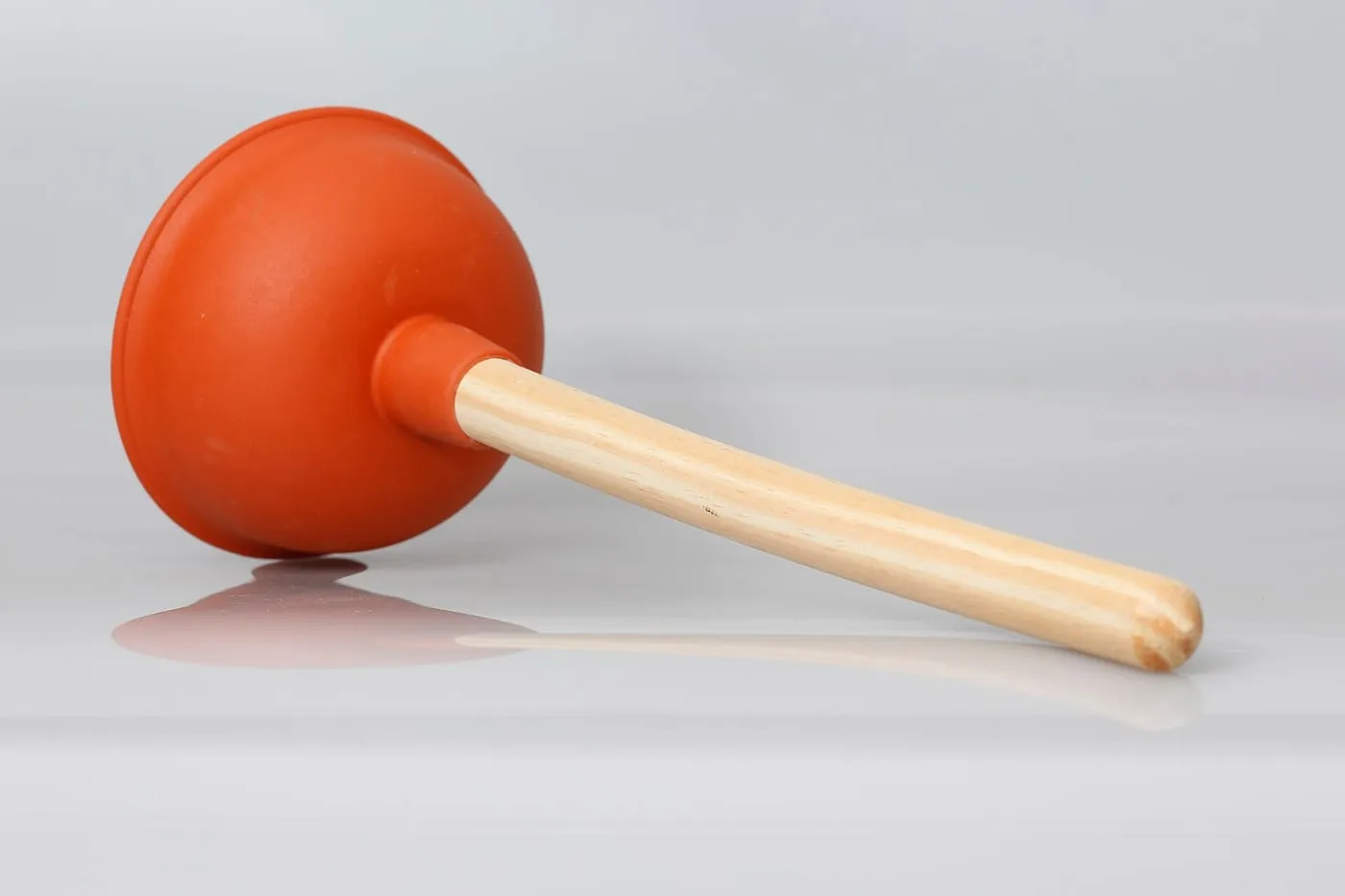
.jpg)
Plunger, rods, enzyme cleaners, and the two “fixes” that turn a blockage into an excavation.
Short answer: Start with a plunger or a plumber’s auger and hot - not boiling - water with washing-up liquid. Caustic drain cleaner is the thing to avoid: it rarely clears a solid blockage, it damages older clay and plastic pipework, and it makes the drain dangerous for whoever opens it next.
Start at the right end
One slow fixture is a local blockage, trap and waste arm, usually clearable yourself. Several fixtures backing up together, or water rising in an outside gully, means the shared run is blocked and home methods are done: that’s rods or jetting.
What actually works
A plunger with the overflow blocked off. A drain snake through the trap. Enzyme cleaners overnight for grease. Pulling the trap off under a sink and emptying it, undignified, free, effective.
What makes it worse
Caustic soda poured into standing water creates a hot caustic pond an engineer then has to work through, most drain firms charge extra once chemicals are involved. If rods meet a hard stop, that’s a survey, not more force.
Whose drain is it?
Since 2011, shared drains beyond your boundary generally belong to the water company, which means their problem, their bill. Before paying anyone to clear a shared run, check whether the blockage sits past the point where your neighbour’s waste joins.
Rods: how to use them without doing damage
Always turn clockwise as you push, because rods unscrew anticlockwise and a section left underground is a considerably worse problem than the blockage. Push and withdraw repeatedly rather than forcing steadily. And stop if you meet something solid that will not move, in old clay drainage, force is what turns a blockage into a collapse.
What jetting does that rodding cannot
Rods punch a channel through a blockage; water scours the pipe wall. That difference is why a rodded fat-lined drain reblocks within months and a jetted one does not. On a run with a recurring problem, jetting plus a camera is usually cheaper over two years than three rodding visits.
Preventing the next one
Fat into a jar, not the sink. Strainers on plugholes. Nothing but paper down the toilet, including wipes marked flushable. And a kettle of hot water with washing-up liquid down the kitchen sink weekly. Deeply unexciting, and it prevents the large majority of the domestic blockages we attend.
Inside or outside, find out before you start
Run a tap in each fixture and watch. If one sink alone drains slowly, the blockage is in that trap or its branch, and it is a ten-minute job. If several fixtures back up together, or a toilet gurgles when a bath empties, the blockage is downstream in the main run and no amount of work on individual traps will help. Lifting the inspection chamber cover outside settles it: if the chamber is full, the blockage is beyond it; if it is empty, the blockage is between the house and the chamber.
What actually works, in order of effort
For a sink, remove and clean the trap first, it takes five minutes and catches most of it. For a toilet, a flanged plunger, used with a steady push and pull rather than violent thrusts, clears the majority. For an outside run, drain rods turned clockwise only, because turning them counter-clockwise unscrews the sections and leaves one down the drain. High-pressure jetting is what clears fat and root intrusion properly, and on Victorian clay it should be done at a pressure chosen for the pipe, not at maximum on principle.
Why chemical drain cleaner is the wrong tool
Caustic products work by generating heat and dissolving organic matter, which is fine on a sluggish drain and useless on a solid blockage. Against a full blockage the product sits in the standing water above it, heating up, distorting plastic waste pipe and attacking the mortar joints in older clay. It then presents a genuine hazard to whoever opens the trap afterwards. Every plumber has a story about being splashed by caustic soda a customer forgot to mention.
Whose drain is it, and who pays
This decides the bill and most people get it wrong. Drains inside your boundary serving only your property are yours. Lateral drains beyond the boundary, and shared drains serving more than one property, transferred to the water companies in October 2011 in England and Wales. So a blockage in a shared run behind a terrace is very often Thames Water or your local water company’s responsibility, and they will attend at no charge. Establish which side of that line the blockage sits on before paying anyone, a camera survey that identifies a public sewer defect can save the entire cost of the repair.
Questions people ask
What is the best thing to unblock a drain?
Mechanical clearing beats chemicals every time. A flanged plunger for toilets, a drain auger or rods for outside runs, and hot water with detergent for grease in a kitchen waste. High-pressure jetting is the professional version and clears what rods cannot reach.
Does caustic soda damage drains?
It can. Caustic products generate heat, which distorts plastic waste pipe and attacks the mortar joints in older clay runs. They also sit in the standing water above a solid blockage doing nothing, and then splash back at anyone who opens the trap afterwards.
Who is responsible for a blocked drain?
Inside your boundary and serving only your property, you are. Shared drainage serving several houses, and most lateral drains beyond the boundary, transferred to the water company in 2011 in England and Wales - so Thames Water or your local water company clear those free. Establish which before paying anyone.
Why does my drain keep blocking?
Repeat blockages in the same place mean a defect, not bad luck. Root intrusion at a clay joint, a displaced section, or a waste run with too little fall are the usual findings. A CCTV survey identifies which, and repeated clearing without one just resets the clock.