
How to Unblock a Sink: Plunger, Trap and Homemade Unblockers
By Emergency Plumb,
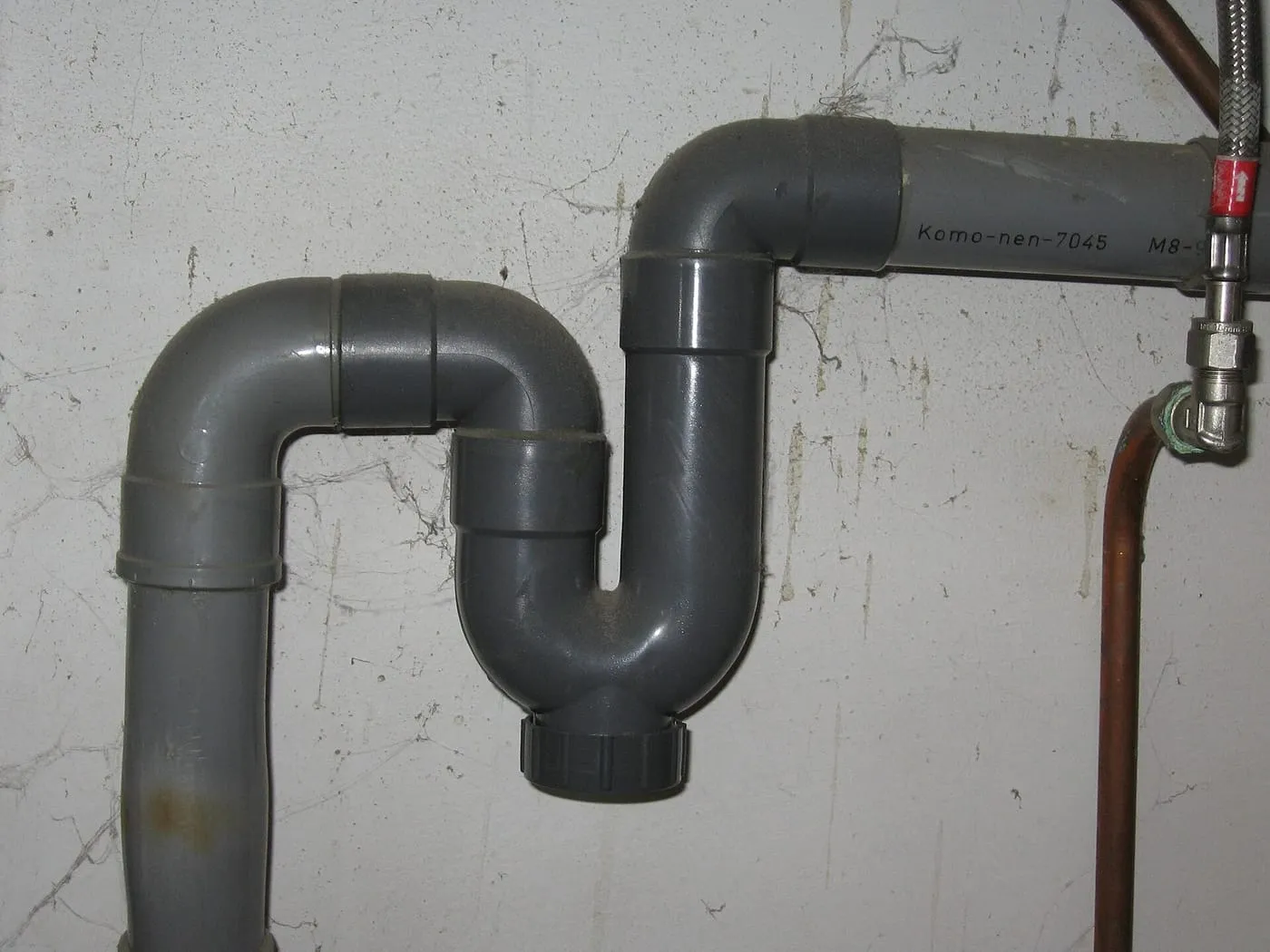

Most blocked sinks clear with hot water, a plunger or ten minutes with the trap off.
Short answer: Pour hot water down the plughole, then plunge the sink with a cup plunger, keeping water over the cup and a wet cloth pressed over the overflow. If it is still blocked, put a bucket underneath, unscrew the trap below the plughole and clean it out. Avoid mixing drain chemicals, and never plunge after using them.
How do you unblock a sink?
Start with hot water, then use a plunger with the overflow blocked, and if that fails, take off the trap under the sink and clean it out. That order clears most blocked kitchen and bathroom sinks without any chemicals. Kitchen sinks usually block with grease and food, and bathroom basins with hair and soap.
Try hot water first, but not always boiling
Grease sets hard as it cools inside the pipe, and hot water can soften it enough to wash through. Pour it straight into the plughole in two or three goes. If your waste pipes are plastic, which most modern ones are, use very hot tap water, or water from a kettle left to cool for a few minutes, rather than water straight off the boil. Boiling water can soften plastic joints and traps over time. Never pour boiling water into a toilet, because the sudden heat can crack the porcelain pan. And take care: carrying a full kettle and pouring into a sink full of standing water is an easy way to get scalded.
Homemade sink unblocker: does bicarbonate of soda and vinegar work?
The popular homemade unblocker is a few spoonfuls of bicarbonate of soda down the plughole, followed by a cup of white vinegar, left for fifteen minutes and then flushed with hot water. It fizzes impressively, and it can help with a slow, smelly drain lined with light grease or soap. To be honest, though, the fizz is mostly the two ingredients cancelling each other out, and it will not shift a solid blockage of hair, food or fat. Think of it as cleaning rather than unblocking. If the sink is fully blocked, go straight to the plunger.
How to plunge a sink properly
A plunger works by pushing and pulling water, not air, so leave or add enough water in the sink to cover the rubber cup. Then block the overflow, the small hole near the top of the basin, with a wet cloth pressed firmly over it. If you do not, the pressure escapes through the overflow instead of reaching the blockage. On a double kitchen sink, block the other plughole too. Put the plunger squarely over the plughole and pump up and down firmly fifteen to twenty times, keeping the seal, then pull it off sharply. Repeat two or three times. A small cup plunger is right for sinks; the larger flanged kind is designed for toilets.
How to clear the trap under the sink
The trap is the curved or bottle-shaped section of pipe directly under the plughole. It holds a little water to stop drain smells coming up, and it is where most blockages collect. Put a bucket underneath and some old towels. A P-trap or U-bend has two large plastic nuts; a bottle trap has one base that unscrews. Undo them by hand, anticlockwise. Tip out the water and gunk, then clean the trap with an old toothbrush. For a basin, also pull any hair out of the short pipe above it with a wire hook or a cheap plastic drain snake. Put it back together with the rubber washers seated properly, tighten by hand, then run the tap and check for drips.
Never mix drain chemicals
Shop-bought drain cleaners can be caustic, which means they burn skin and eyes. Never mix two products, and never mix a drain cleaner with bleach, because some combinations give off harmful gas. Do not use a plunger or take the trap off after pouring chemicals in, because the water that splashes back will be caustic. If you have already used a chemical and it has not worked, tell whoever comes to clear it. Wear gloves and keep children and pets away while you work.
When the blockage is further down the pipe, and when to call a plumber
If the trap is clean and the sink still will not drain, the blockage is further along the waste pipe. Other signs are gurgling from the plughole when another sink or the bath drains, several fixtures being slow at once, or the outside gully by the wall overflowing. That means the problem is in the main waste or drain, not the sink. Our guides on how to unblock a drain and on a blocked outside drain cover what to do next. And call a plumber if plunging and clearing the trap have not worked, if the pipe beyond the trap is blocked inside the wall, or if dirty water is coming up in another sink.
How to stop a sink blocking again
Most sink blockages are made in the kitchen, one pan at a time. Wipe greasy pans and plates with kitchen roll before washing them, and let cooking fat cool and set in a pot, then put it in the bin. Fat poured down the sink as a liquid sets further along the pipe, where you cannot reach it. Fit a cheap mesh strainer over the plughole to catch food scraps, and empty it into the food waste bin. In the bathroom, a small hair catcher over the basin and bath plugholes stops most blockages before they start. Once a month, running the hot tap for a minute after washing up helps keep grease moving. Coffee grounds, rice and pasta are worth keeping out of the sink too, as they swell and settle in the trap.
Questions people ask
What is the best homemade sink unblocker?
Hot water and a plunger clear more blockages than any homemade mixture. Bicarbonate of soda followed by vinegar and then hot water can freshen a slow, greasy drain, but it will not shift a solid blockage of hair, food or fat.
Can I pour boiling water down a sink?
Into a metal or ceramic sink with metal pipes, yes. With plastic waste pipes, which most homes have, use very hot tap water or a kettle left to cool for a few minutes, as boiling water can soften plastic joints. Never pour boiling water into a toilet.
Why does my plunger not work on the sink?
Usually because the overflow is not blocked, so the pressure escapes through it. Press a wet cloth firmly over the overflow hole, and on a double sink over the other plughole too. Make sure there is enough water to cover the plunger cup.
Is it safe to take the trap off under my sink?
Yes, most plastic traps unscrew by hand. Put a bucket and towels underneath first, as the trap holds water. Do not do it if you have poured a chemical drain cleaner in, because the water will be caustic.
Why is my sink still blocked after cleaning the trap?
The blockage is further along the waste pipe or in the main drain. Gurgling from other plugholes or an overflowing outside gully are signs of this, and it needs rods or a plumber rather than more plunging.