
Bad Smells From Your Drains: Causes and Fixes
By Emergency Plumb,
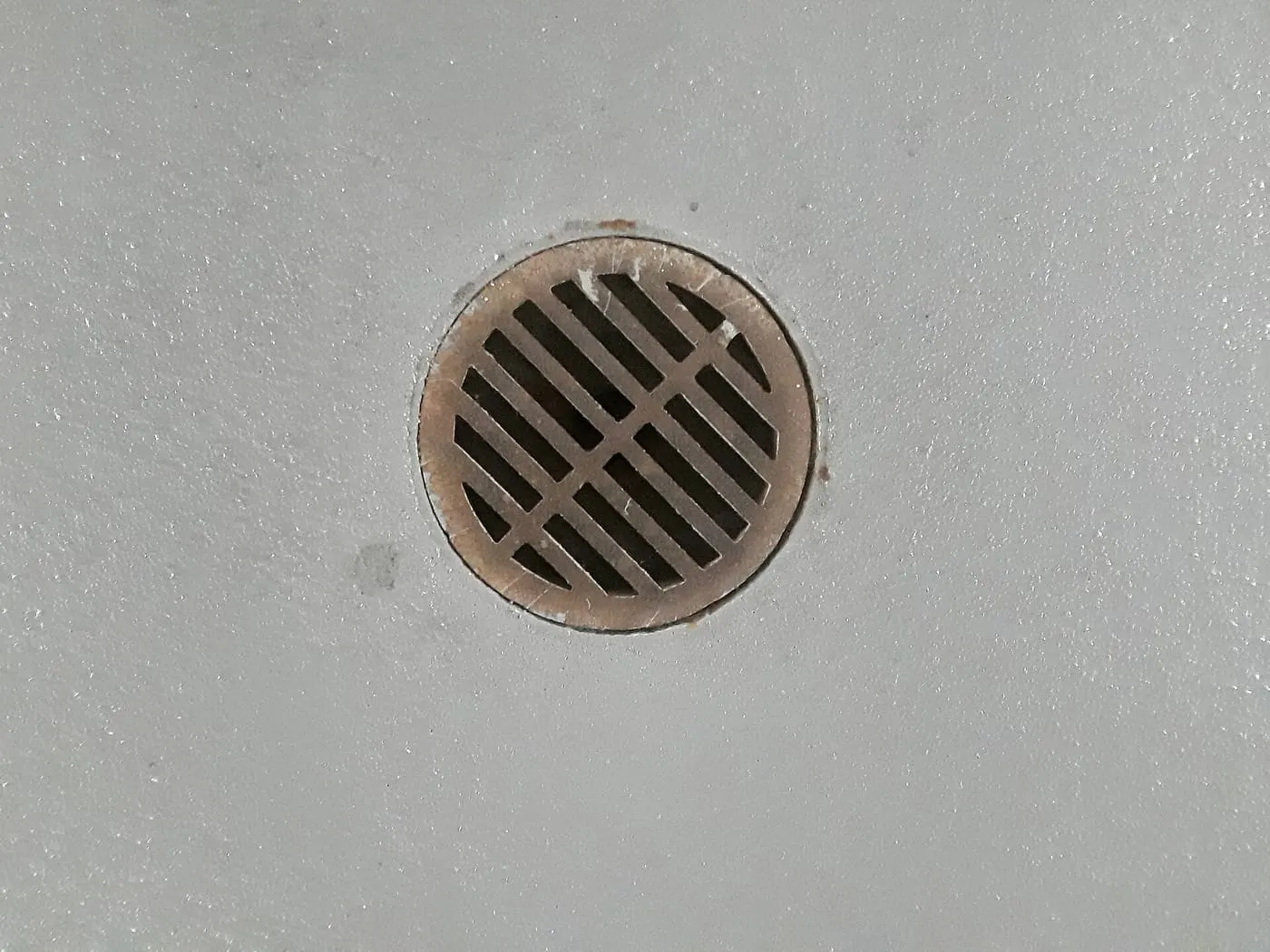
Dry traps, failed seals, broken vents, finding the source instead of masking it.
Short answer: A drain smell almost always means sewer gas is getting past a water trap. The four causes are a dried-out trap in a rarely used sink or shower, a damaged or missing trap, a blocked soil vent pipe, or a failed appliance connection. Running the tap for thirty seconds fixes the most common one.
The usual suspect: a dry trap
Every fixture holds a water plug in its trap that blocks sewer gas. A shower unused for a fortnight, a washing machine standpipe, a floor gully, any of them can evaporate dry and let the smell in. Run water in every fixture for thirty seconds; if the smell fades in a day, that was it.
Failed seals and vents
A smell that returns when it rains points at a damaged seal or a blocked soil vent pushing gas back through the weakest trap. The wax seal under a toilet, a cracked collar on the stack, or a bird’s nest in the vent are the classics. These need finding, not Febreze.
When it’s the drain itself
A persistent smell plus slow drainage plus lush patches in the lawn is the signature of a cracked or collapsed run leaking into the ground. A CCTV survey settles it in an hour and gives you the exact position and depth, which is the difference between a patch repair and digging up half the garden.
A dry trap is the usual answer
Every fixture has a water seal in its trap, and that water evaporates in an unused guest bathroom, a rarely used shower or a spare WC. Once it goes, sewer gas comes straight up. Running the tap for thirty seconds refills it. If a smell appears after a holiday, this is almost always what it is.
When it is the vent, not the trap
A soil stack vents above roof level so pressure changes do not siphon traps empty. If the vent is blocked by a nest or has been badly capped during a loft conversion, draining one fixture pulls the seal out of another, and the symptom is a gurgle followed by a smell. That is a stack problem, not a cleaning problem.
Smells that mean something is broken
A persistent smell outside near a chamber, or damp ground with an odour, suggests a cracked or displaced run leaking below ground. Inside, a smell in a room with no plumbing in it can mean a soil pipe leaking within a wall or floor void. Both warrant a camera rather than another bottle of drain cleaner.
The trap, and why it dries out
Every waste fitting in the house has a U-bend holding a small volume of water, and that water is the only thing between your bathroom and the sewer. In a guest room, a spare shower or a utility sink used twice a year, it simply evaporates, faster in a heated house and faster still in summer. Running the tap for thirty seconds refills it, and the smell normally clears within the hour. If a trap empties repeatedly on a fixture you do use, that is not evaporation and points at siphonage instead.
Siphonage and the soil vent pipe
Waste running down a stack pulls air behind it. The soil vent pipe, the one running up the outside wall past the gutter, lets replacement air in. If it is blocked, capped off during a loft conversion, or fitted with a failed air admittance valve, the system pulls that air through the nearest trap instead, emptying it. The tells are gurgling from a basin when the toilet flushes, and traps that dry out on fixtures in regular use. Fixing the vent fixes every affected trap at once; refilling traps one at a time does not.
Appliance connections and washing machine standpipes
A washing machine or dishwasher discharging into a standpipe with no trap, or with the hose pushed too far down past the water seal, gives the drain a direct route into the room. This is one of the most common causes of a kitchen that smells and nobody can find why, because the smell only appears during or after a wash cycle. The fix is a properly trapped standpipe with the hose secured at the correct height rather than pushed as far as it will go.
When the smell is outside your property
A persistent sewage smell in a garden or a back alley, particularly across a terrace, often points at a defect in shared drainage rather than anything in your house, a cracked section, a displaced joint, or a collapsed run venting through the ground. Since the 2011 transfer, most of those runs belong to the water company. A CCTV survey establishes both the defect and the ownership, which is the difference between a repair bill and a free repair.
Questions people ask
Why does my bathroom smell of drains?
Usually a dry trap. Every waste has a U-bend holding water that blocks sewer gas, and in a guest bathroom or an unused shower that water simply evaporates. Run the tap for half a minute and the smell normally goes within the hour.
Why do my drains smell worse in summer?
Warmth accelerates evaporation from traps and speeds up bacterial breakdown of the fat and organic matter coating the pipe walls. Search volume for drain smells peaks in late summer for exactly this reason.
What is a soil vent pipe and how do I know if it is blocked?
It is the pipe running up the outside wall above the gutter, letting air into the drainage system so waste can flow without siphoning traps dry. If several traps empty themselves repeatedly, or you hear gurgling when a toilet flushes, suspect the vent rather than the traps.
Can a drain smell be dangerous?
Sewer gas is mostly unpleasant rather than harmful at household concentrations, but it can contain hydrogen sulphide and methane, and a persistent strong smell indoors means something is genuinely open to the drain. It is worth tracing rather than masking.