
Why Is My Cold Water Warm?
By Emergency Plumb,
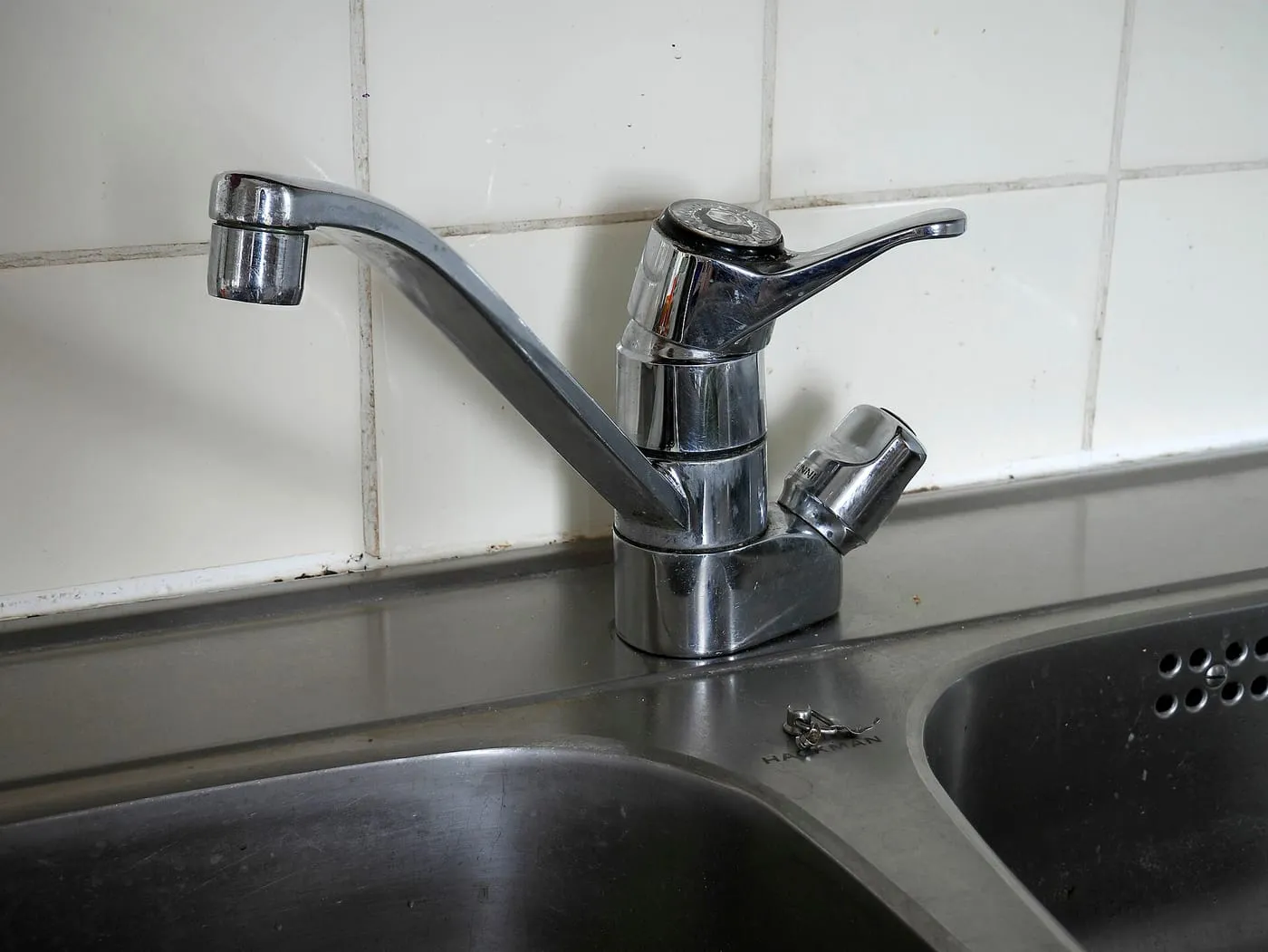

Usually a cold pipe picking up heat from hot pipes nearby, or a warm loft tank.
Short answer: Cold water usually comes out warm because the pipe has picked up heat on the way, often from running beside hot or heating pipes, or from a loft tank in summer. If it runs cold after a minute, it is not a fault. If it stays warm, a mixer tap check valve may be letting hot water cross over.
Why is my cold water coming out warm?
Cold water usually comes out warm because the pipe has picked up heat on its way to the tap. The most common reasons are a cold pipe running next to hot pipes or heating pipes, a cold water tank in a hot summer loft, or a mixer tap or shower valve letting hot water cross into the cold side. If the water turns cold after running the tap for a minute or so, it is almost always the first of these, and it is not a fault.
A cold pipe running next to hot pipes
Cold pipes often share the same route as hot water and heating pipes, under floors, inside walls and boxing, or through a cupboard with the boiler or hot water cylinder in it. While water sits still in that pipe, it slowly warms up. The first few seconds from the tap come out warm, and then it runs cold as fresh water arrives from outside. This is common in flats, where pipes run through heated ceiling voids. Lagging the cold pipe where it runs beside hot ones, or insulating the hot pipes, helps if you can reach them.
Run the tap to clear standing water
If water has been sitting in the pipes, overnight or while you were away, run the cold kitchen tap until it feels properly cold before you drink it. This clears the water that has been warming in the pipe. The kitchen cold tap should normally come straight from the mains, so after a short run it should feel noticeably cold. If it never does, even after a couple of minutes, one of the other causes below is more likely.
A cold water tank in a hot loft
In many older London houses, the bathroom cold taps are fed from a tank in the loft rather than directly from the mains. In summer a loft can become very hot, and the water in that tank warms up with it. The bathroom cold taps then run lukewarm even after a long run, while the kitchen tap is cold. Keeping the tank covered with a proper lid and insulation jacket helps, and so does making sure it is not sitting next to a hot water cylinder or a warm pipe.
A mixer tap or shower valve letting hot water across
Mixer taps, mixer showers and thermostatic shower valves have small one-way parts called check valves that stop hot and cold water pushing into each other. When one fails, hot water can cross into the cold pipe, so cold taps elsewhere in the house run warm too. This is called crossflow. A clue is that the problem started suddenly, or it stops when a particular tap or shower is isolated. Replacing the check valves or the cartridge is a plumber’s job but usually a quick one, and on a first-hour visit it costs £99 with no call-out fee.
A quick way to tell which cause you have
Try the kitchen cold tap first. If it runs cold after a short run, your mains supply is fine. Next, try a bathroom cold tap. If that stays warm while the kitchen is cold, a loft tank is the likely reason. If every cold tap in the house runs warm, including the kitchen, and it started suddenly, crossflow from a mixer tap or shower is more likely. If only one tap runs warm for the first few seconds, it is almost certainly a pipe sitting near a heat source.
When is warm cold water a hygiene problem?
Most of the time, warm cold water is a comfort issue, not a health one. The concern is stored water. The bacteria that cause Legionnaires’ disease can grow in water kept between about 20°C and 45°C, which is why cold water should stay below 20°C. So if your cold water tank is warm for long spells, is uncovered, or has not been used for a while, it is worth dealing with. For drinking and cooking, use the kitchen tap fed from the mains. If you have a tank that is dirty, uncovered or rusting, or crossflow you cannot trace, ask a plumber to look at it rather than leave it.
Questions people ask
Why does my cold tap run warm then cold?
The water sitting in the pipe has warmed up, usually because the pipe runs next to hot water or heating pipes. Once fresh water arrives from the mains, it runs cold. This is normal, and running the tap briefly clears it.
Why are my bathroom cold taps warm but the kitchen is cold?
In many older homes the bathroom cold taps are fed from a tank in the loft, which warms up in summer. The kitchen tap comes straight from the mains, so it stays cold. Covering and insulating the tank helps.
Can a mixer tap make my cold water warm?
Yes. Mixer taps and showers have check valves that keep hot and cold apart. If one fails, hot water can cross into the cold pipe and cold taps around the house run warm. A plumber can replace the check valves or cartridge.
Is warm cold water dangerous?
Usually not, but stored cold water should stay below 20°C, because the bacteria that cause Legionnaires' disease can grow between about 20°C and 45°C. Drink from the mains-fed kitchen tap, and have a warm, dirty or uncovered tank looked at.