
Hot Water Cylinder Leaking? What It Means
By Emergency Plumb,
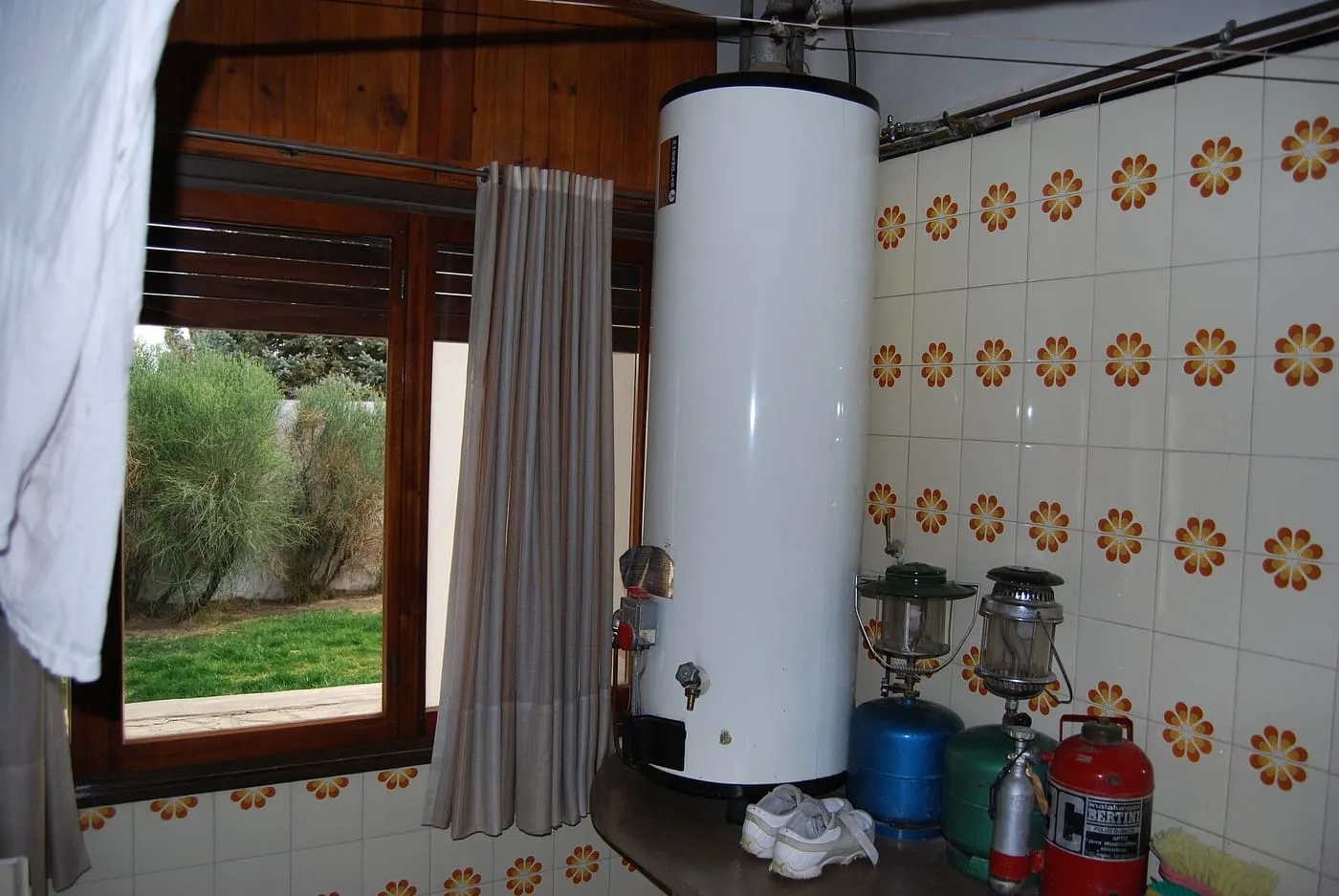

Where the water appears tells you how serious it is, from a loose fitting to a cylinder at end of life.
Short answer: Identify whether the water is coming from a fitting or the cylinder body. Leaking joints, immersion boss seals and valves are repairable. Water weeping from the cylinder wall itself means the copper has corroded through and the cylinder needs replacing - there is no reliable patch.
From a fitting or valve
Drips at the immersion boss, a union or the temperature relief valve are usually seals and washers, quick repairs. A relief valve that keeps passing is a warning about pressure or a failed expansion vessel, so the cause matters more than the drip.
From the cylinder body
Weeping from the shell itself, or rust streaks down the insulation, means corrosion has made it through. There is no honest repair for a pinholed cylinder; plan the replacement before it chooses its own date.
The discharge pipe outside
On unvented systems, a dribbling external pipe is the safety system relieving pressure. It is doing its job, but doing it constantly means the expansion vessel or a valve needs attention at the next service.
Where it is leaking from matters enormously
From a fitting, an immersion boss or a valve: repairable, often straightforwardly. From the tundish or the discharge pipe on an unvented cylinder: that is a safety device doing its job, which means the expansion vessel or a valve has failed and needs urgent attention. From the body of the cylinder itself: not repairable, and replacement is the only honest answer.
Unvented cylinders discharge for a reason
Water at the tundish is never something to ignore or plumb away. It means the system could not absorb expansion, and the pressure had to go somewhere. The expansion vessel has usually lost its charge. On a mains-pressure cylinder these are the safety devices, and a seized temperature and pressure relief valve is genuinely dangerous.
What to do right now
Isolate the cold feed to the cylinder, switch off the immersion and the boiler, and run the hot taps to drop the level. On an unvented system do not attempt to cap or reroute a discharge pipe. Container underneath, and call, a cylinder holds well over a hundred litres and it is directly above your ceilings.
Questions people ask
Can a leaking hot water cylinder be repaired?
A leak at a fitting, immersion boss or valve, yes. A leak through the cylinder wall, no. Copper cylinders fail from internal corrosion, and by the time one pinholes there are usually others forming.
How long does a hot water cylinder last?
Typically 10-15 years for a vented copper cylinder, and often longer for a modern unvented stainless steel unit. Soft water areas get more life from them; hard water shortens it through scale on the coil.
Is a leaking cylinder an emergency?
It can become one quickly. A cylinder holds 120-210 litres, and a small weep can turn into a failure that empties the lot through a ceiling. Turn off the supply to the cylinder and the immersion, and get it looked at the same day.
What is the water under my unvented cylinder?
Check whether it is coming from the tundish - the small open gap in the discharge pipework. Water there means the expansion vessel or a safety valve is passing, which is a fault requiring a G3-qualified engineer, not a leak from the cylinder itself.