
Leaking Radiator in London? Fixed Without Draining the System
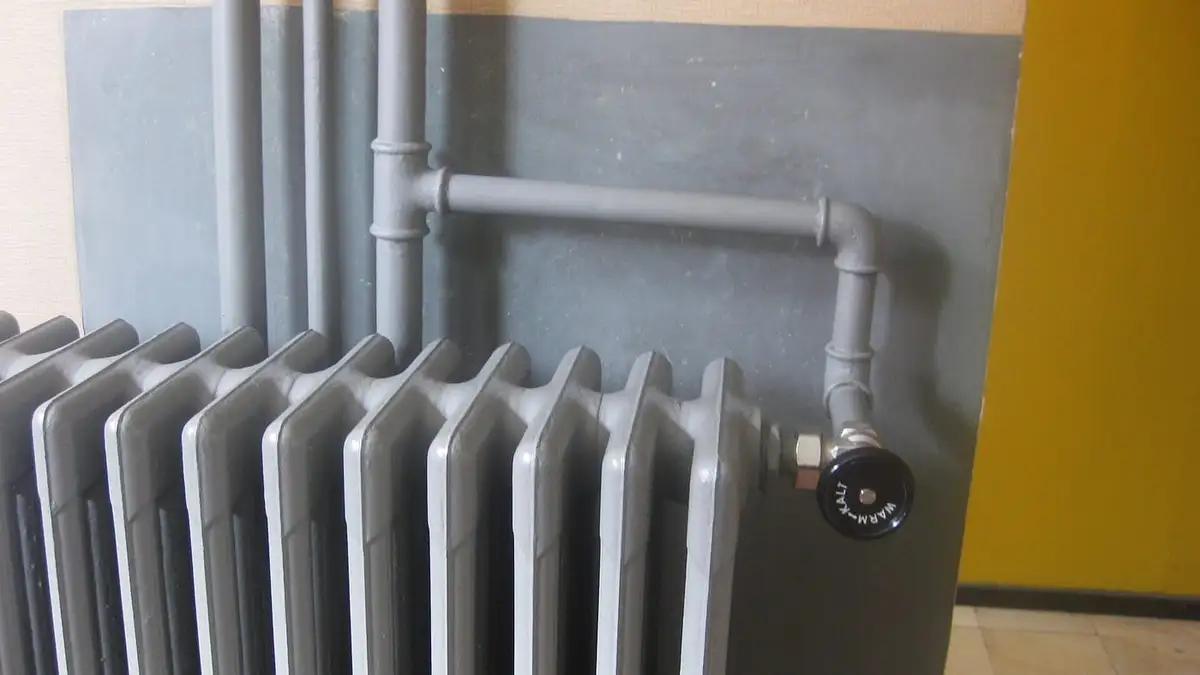

A weeping radiator ruins floors slowly and boilers quickly, every drip is pressure the system loses and water the boiler re.
laces with fresh, oxygenated, corrosive fill. Most leaks are valve or gland faults fixed in under an hour, without draining the system.
Leaking radiator in London: do this now, while you wait
-
Catch and protectContainer under the drip, towels around it, laminate and engineered boards swell fast.
-
Close both radiator valvesThe wheelhead (or TRV) and the lockshield under its cap, clockwise. This isolates the radiator from the system.
-
Nip the gland gentlyA drip from around the valve spindle sometimes stops with a quarter-turn of the gland nut. Gently, brass strips easily.
-
Watch the boiler pressureA leak lowers system pressure; if the boiler locks out below 1 bar, top up via the filling loop after isolating the leak.
What causes a leaking radiator in London
- Valve gland wear. The spindle seal dries out, the classic slow drip on older valves.
- Corrosion at the bottom seam. Sludge sits at the base of the panel and rusts through from inside; a pinhole at the seam means the radiator is done.
- Failed TRV. Thermostatic heads weep from the body when the internals fail.
- Union joints. The nut between valve and radiator loosens with thermal cycling, often just needs the olive re-seated.
Local conditions we work around
The likeliest leak point on a London radiator is the valve or the tail rather than the panel, because hard water leaves deposits that seize spindles and chew through gland packing over time. Trying to close a scaled-up valve is what turns a weep into a proper leak, so it is usually better to leave it and call. In flats fed from a communal system, draining down is not a decision one household gets to make alone, which changes the repair method.
Questions people ask
Do you need to drain my whole system?
Rarely. Valve and gland repairs are done with the radiator isolated. Even a radiator swap only needs the one radiator drained if the valves hold.
The radiator itself is pinholed, now what?
Pinholes also say the system water is corrosive, worth a cleanse or filter before the next radiator goes the same way.
Is brown radiator water bad?
It's sludge, dissolved steel from inside your radiators. It kills pumps, blocks valves and halves heat output.
What does a valve repair cost?
There is no call-out charge. It is £110 for the first hour, then £45 for each additional half hour, plus the cost of parts, and the same at any hour of the day or night.