The Plumbing Tools Worth Owning at Home
By Emergency Plumb,
Seven tools that handle most small plumbing jobs, and the ones to leave to the trade.
Short answer: Five tools handle most household plumbing: a decent plunger, a pair of adjustable grips, a radiator bleed key, PTFE tape and an adjustable spanner. Add a bucket and old towels. That kit fixes a running toilet, a dripping tap, an airlocked radiator and a blocked sink without calling anyone.
The essential seven
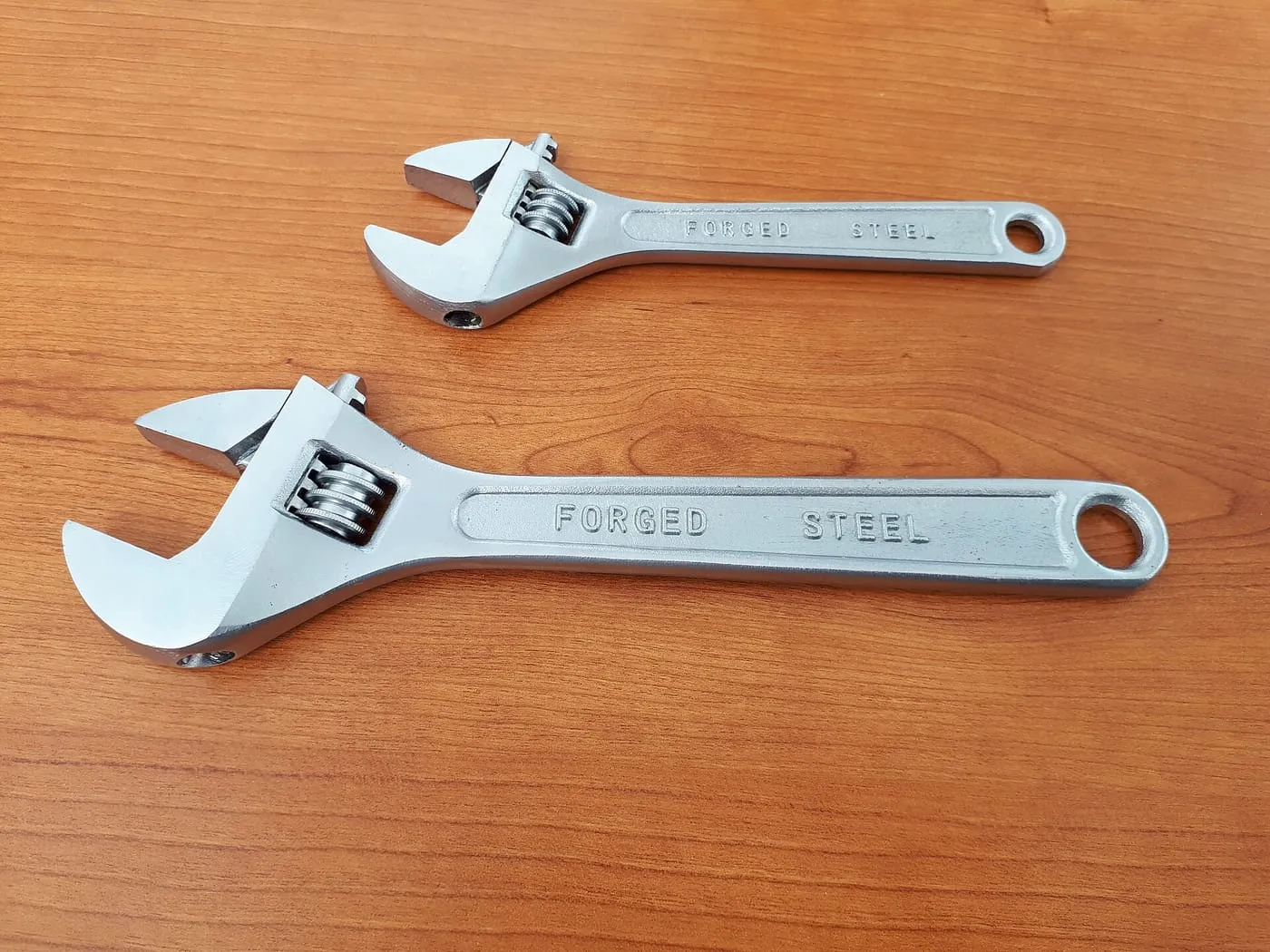
A quality flange plunger, an adjustable spanner, water-pump pliers, PTFE tape, a small drain snake, a torch, and a stopcock key if yours lives outside.
Worth adding
A wet-and-dry vacuum earns its keep the first time water goes where it should not. A pipe-and-cable detector saves you from the classic picture-hook-through-pipe insurance claim.
Leave on the shelf
Blowtorches, caustic chemicals and anything sold as a drain bomb. The first burns houses, the second creates hazards for whoever finishes the job, and all three appear regularly in the origin stories of our biggest invoices.
The five that earn their place
A decent plunger with a flange for the toilet and a flat one for sinks. An adjustable spanner and a pair of water pump pliers. A radiator bleed key, the 50p item that fixes the most common heating complaint there is. And a torch you keep with them rather than one you have to find.
What not to buy
Pipe freezing kits, drain rods and blowtorches all look like sensible additions and are the three most likely to turn a small problem into an expensive one in inexperienced hands. Rods used blind into old clay drainage can displace a joint. A blowtorch near a joist is how lofts catch fire.
Know where these are before you need them
Your internal stopcock, your external stop tap, the boiler isolation switch, the consumer unit, and the gas emergency control valve at the meter. Locating all five takes ten minutes on a calm afternoon and saves the worst ten minutes of a flood. Turn the stopcock twice a year so it does not seize.
Questions people ask
What is the single most useful plumbing tool to own?
A good plunger - the flanged type designed for toilets, not the flat cup sold for sinks. Most blocked-toilet call-outs are cleared with one, and it costs less than a tenth of a call-out fee.
Do I need a blowtorch and solder?
No, and most people should not own one. Modern push-fit and compression fittings do the same job without an open flame near joists. Soldering inside a wall cavity is how house fires start.
What is PTFE tape actually for?
Sealing threaded joints. Wrap it clockwise around the male thread, three or four turns, before screwing the fitting together. It is not a repair for a leaking pipe - it only seals threads.
Is a drain rod set worth buying?
Only if you have a house with its own accessible drain runs and you are willing to open an inspection chamber. In a flat or on shared drainage it will not help, and using rods on old clay pipe can dislodge a joint.