
How to Choose a Plumber You Can Actually Trust
By Emergency Plumb,
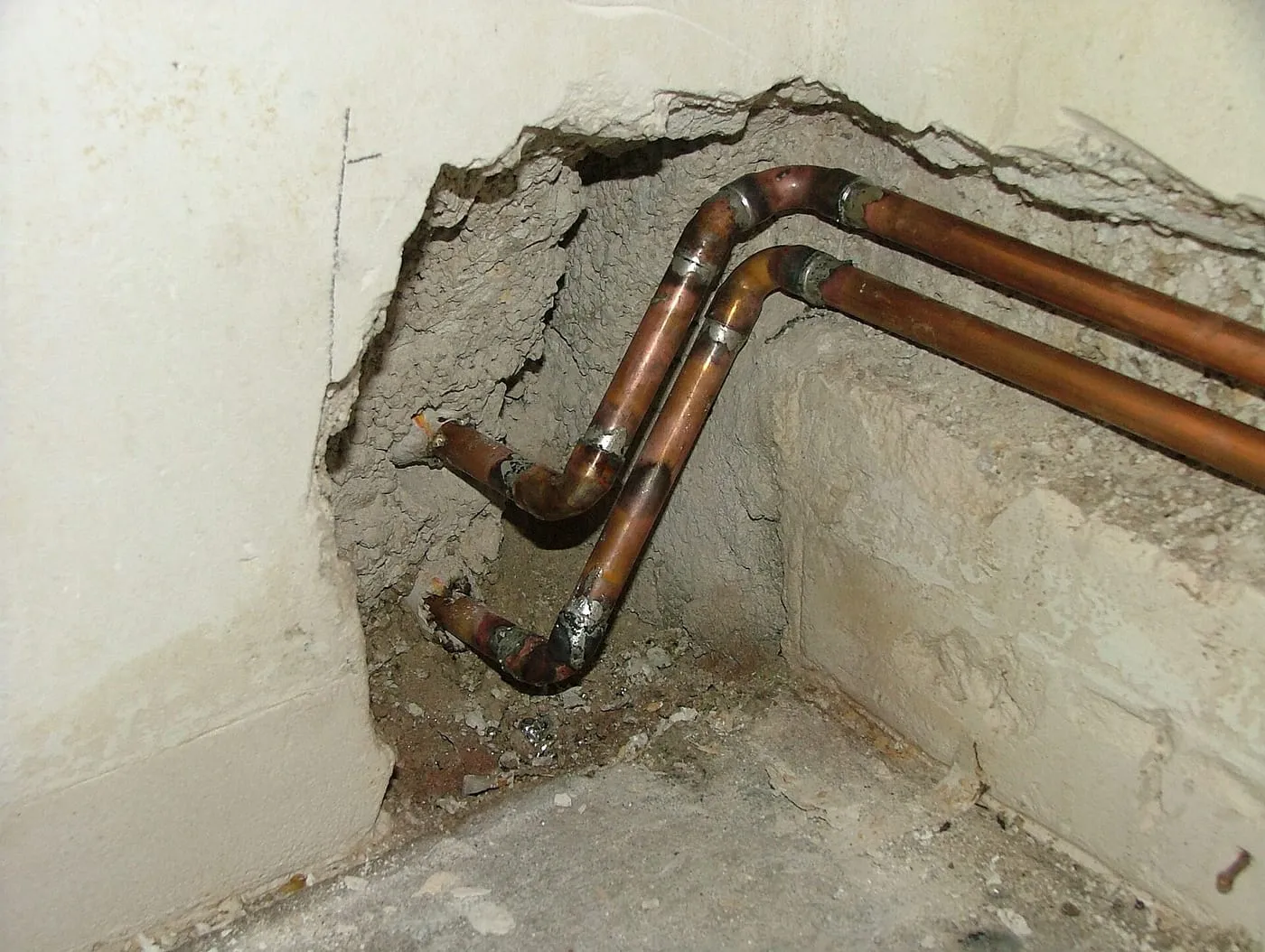

The five checks that separate a professional from a phone number on a lamppost.
Short answer: Check three things before anyone touches your plumbing: a real trading address and company number, reviews on a platform that verifies the job happened, and a rate you are told before anyone is sent. If the job involves gas or the inside of a boiler, it is for a gas engineer rather than a plumber.
Know where plumbing stops
Plumbing and gas are different trades. An honest plumber will tell you on the phone when a job sits on the gas side, such as anything inside a boiler or a gas hob, and send you to a gas engineer for it. A firm that says yes to everything deserves a second question.
Written price before work
The single strongest predictor of a good outcome. Estimates that “depend what we find” have their place for genuinely unknown faults, but the discovery and the price should both come back to you before the next hour is worked.
Read the four-star reviews
Five-star walls tell you little. The four-star reviews tell you how a firm behaves when something went slightly wrong, late arrival, a return visit, which is the thing you actually need to predict.
Insurance, address, company number
Public liability insurance, a real registered address and a company number you can look up at Companies House. Ours is 12326959. A trade that plans to be here next year has nothing to hide behind a bare phone number. Our plumbers in London page shows the rate card and how booking works.
Warning signs before anyone arrives
A quote given over the phone for a job nobody has seen. Pressure to decide immediately. No company name given when the phone is answered. Cash-only. And a landline number that is answered by a call centre asking which trade you need, that is a lead broker selling your emergency to whoever bids, not a plumber.
What guarantees are actually worth
A workmanship guarantee is only as good as the company behind it, which is why the company number and registered address matter more than the length of the guarantee. A twelve-month guarantee from a firm you can look up beats a lifetime guarantee from a bare phone number. Ours is twelve months, and the company is 12326959 at Companies House.
After the job: what to keep
The written quote, the invoice, any parts receipts, photographs of work that is now hidden, and any paperwork a gas engineer left after working on the boiler. Insurers, buyers’ solicitors and warranty providers all ask for these eventually, and reconstructing them two years later is close to impossible.
Questions people ask
Are plumbers regulated in the UK?
Plumbing itself is unregulated in the UK, so anyone may legally call themselves a plumber, which is why the checks on this page matter. Gas is a separate trade: a boiler or gas appliance is a job for a gas engineer, not a plumber.
Are Checkatrade or Trustpilot reviews trustworthy?
Checkatrade verifies that a job took place before publishing the review, which makes it harder to fake than open platforms. Look at the volume and the dates rather than the headline score - fifty reviews spread over three years says more than twenty in one week.
Should I pay a deposit up front?
For an emergency call-out, no. For planned work involving ordered materials, a materials deposit is reasonable, but never pay the full amount before the work is done, and never pay cash without a receipt.
What paperwork should I get afterwards?
An itemised invoice and the workmanship guarantee in writing. For unvented cylinder work you should also get a G3 record - that work is notifiable and must be done by a qualified operative.