
What Do Plumbers Charge Per Hour in the UK?
By Emergency Plumb,
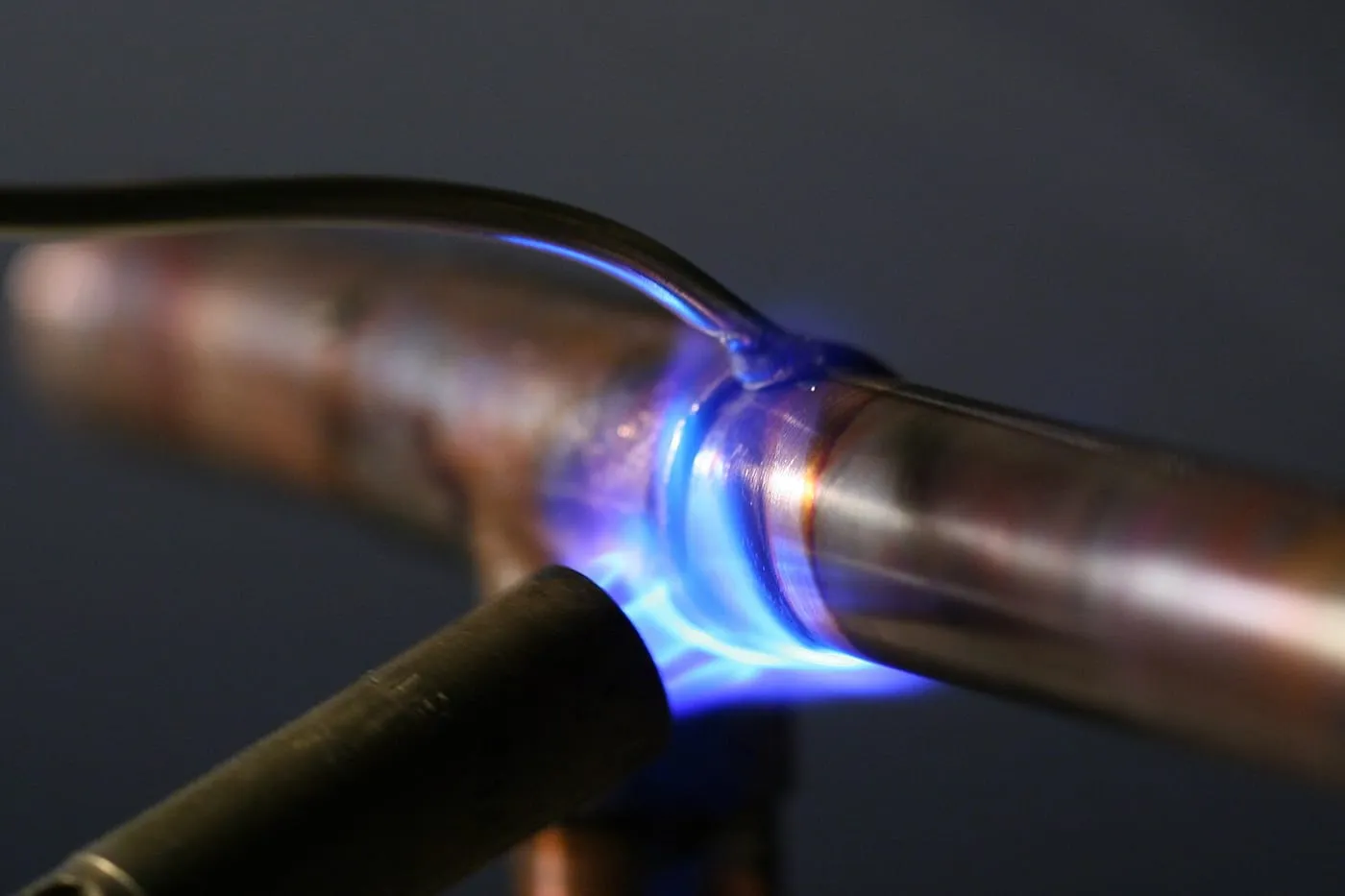

Typical UK call-out fees and hourly rates, what legitimately moves them, and the questions that stop you being overcharged at 2am.
Our rate is £110 for the first hour and £45 per additional half hour, plus the cost of parts, with no call-out fee and no night or weekend surcharge.
For our own figures in full, including what a visit costs by the hour, see our emergency plumber cost breakdown.
The honest answer
Our own rate is simpler: £110 for the first hour, £45 per additional half hour, no call-out fee, and the same price at any hour of any day.
What actually moves the price
Three things: access (a pipe under a floor costs more than one under a sink), parts (a rare cistern valve can take a day to source), and how long the water has been running before anyone turned it off. The time of night should not move the price, if a firm charges a “night rate”, ask what the day rate would have been and you’ll learn a lot.
Questions to ask before you say yes
Is there a call-out fee? What is the hourly rate, and does it go up at night? Does it include parts? Is there a minimum charge? A reputable firm answers all four without hesitating. If it will not, keep dialling.
Where the horror stories come from
Knowing the rate before anyone is sent, and a firm that does not change it at night, removes most of that mechanism.
What “no call-out fee” should actually mean
A genuine no-call-out-fee firm starts the clock when the engineer starts work, and charges nothing for the journey. The dishonest version charges no call-out fee but bills a minimum two hours, which is the same money wearing a different name. Ask what the minimum charge is, not just whether there is a call-out fee, the answer to the second question tells you very little on its own.
Why the cheapest quote often is not
Compare the total for a realistic one-to-two-hour visit rather than the headline number. Firms that price low at the front and high at the back are relying on you comparing the wrong figure.
What you should know before work starts
The hourly rate, whether there is a call-out fee or a minimum charge, whether parts are extra, and what happens if opening up reveals something different. A firm that cannot tell you those four things on the phone is not one to let in.
How UK plumbers structure their pricing
Three models are common. Hourly with no call-out, which is what we use, folds the attendance into the first hour. Fixed price per job works well for known work, a tap replacement, a cylinder swap, and badly for emergencies, because a price quoted before anyone has seen the fault has to be padded to cover the worst case. Knowing which model you are being quoted under is what makes two quotes comparable.
What legitimately changes the price
Access is the biggest factor: a leak under a floor or behind a tiled wall costs more than one under a sink, because most of the time is spent getting to it and making good afterwards. Parts are the second: common components are on the van, while an obsolete cistern valve may need ordering, which turns one visit into two. Third is how long the water ran before anyone stopped it, because that decides whether you are paying for a repair or a repair plus drying and reinstatement.
What should not change the price
The hour of the day. A night, weekend or bank-holiday surcharge of 50 to 100 per cent is common in the trade, and it is a commercial choice rather than a cost that has to be passed on. We charge £110 for the first hour and £45 per additional half hour at any hour of any day, including Christmas. If a firm quotes a night rate, ask what the daytime rate would have been, the gap tells you what the emergency is costing you as opposed to the work.
Questions that stop you being overcharged
Ask four things before agreeing to anything. Is there a call-out fee on top of the hourly rate? What is the minimum charge, some firms bill a two-hour minimum at 2am. Does the rate change at night or at weekends? And what is the guarantee on the workmanship? Ours is twelve months. A firm that answers all four without hesitating is one worth using; hesitation on any of them is worth noticing before the work starts rather than after the invoice arrives.
Questions people ask
Do plumbers charge more at night or on weekends?
Many do - a night or bank-holiday surcharge of 50% to 100% is common in the trade. We do not apply one: £110 for the first hour is the same figure at 3am on Christmas Day as on a Tuesday afternoon. If a firm quotes a "night rate", ask what the day rate would have been.
Is the call-out fee separate from the hourly rate?
There is no call-out charge. It is £110 for the first hour, then £45 for each additional half hour, plus the cost of parts, and the same at any hour of the day or night.
How much is a plumber for a small job like a dripping tap?
There is no call-out charge. It is £110 for the first hour, then £45 for each additional half hour, plus the cost of parts, and the same at any hour of the day or night.
Should I get a fixed price or pay hourly?
For an emergency where nobody yet knows what is leaking, hourly is fairer to you, because a fixed "emergency price" quoted blind is usually padded to cover the worst case. What matters is knowing the rate, the call-out fee and the minimum charge before anyone comes.