
Water Heater Not Working? A Repair Guide
By Emergency Plumb,
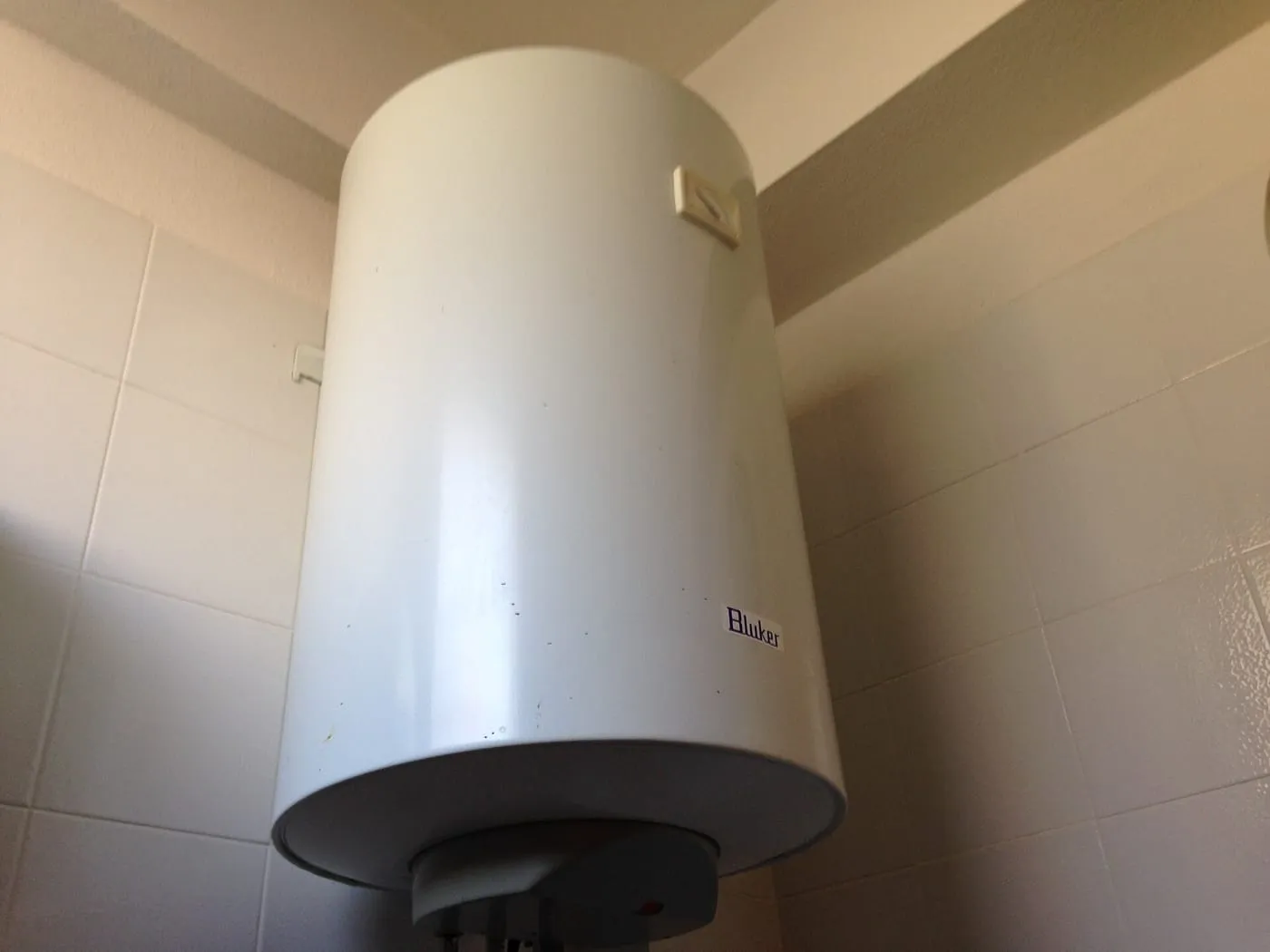

Immersions, multipoints and wall heaters fail in predictable ways.
Short answer: For an electric water heater, check the power supply and the trip first, then the thermostat, then the immersion element. An element that has burned out gives no hot water at all; a failed thermostat usually gives water that is lukewarm or scalding rather than none.
Immersion heaters
A dead immersion is usually the element or the thermostat, both inexpensive parts. Scalding-then-cold water means the stat; simply cold means the element or its fuse. In hard water areas elements rarely die of old age, they die of scale.
Instantaneous and multipoint heaters
No hot water at one outlet but fine elsewhere points at the heater itself: scaled heat exchanger, failed diaphragm or a flow rate below the unit’s switch-on threshold. Units under eight years old usually earn a repair.
When replacement wins
If the repair costs more than a third of a new unit, or the model is obsolete and parts are hunted rather than stocked, replace. On electric water heaters and immersions we quote both numbers and let the arithmetic decide; our water heater repair service in London page has the rates.
Electric storage heaters
No hot water at all usually means a tripped thermal cut-out or a failed element. Lukewarm water suggests a thermostat set low or an element part-scaled. Both are inexpensive parts on a sound tank. What is not repairable is a leaking tank, once the cylinder has perforated, replacement is the only honest answer.
Gas multipoint and instantaneous heaters
These fail on ignition, on the flow sensor, or on a scaled heat exchanger. A unit that lights then cuts out after a few seconds is usually a flame-sensing or flue fault, and that needs a gas engineer. We do not work on gas water heaters, so book someone who does. Do not keep resetting a gas appliance that is locking out, it locks out for a reason.
Scale is the common denominator
In hard-water London, scale on an element or a heat exchanger is behind most water heater failures. It insulates the heating surface, so the appliance works harder for less output and eventually overheats. Descaling, or a scale reducer on the incoming main, addresses the cause rather than the symptom.
Questions people ask
How long does an immersion heater element last?
Typically 8-15 years. In a hard water area like London, scale builds on the element and shortens that considerably - the scale insulates the element, which then overheats and fails. Soft water areas are much kinder to them.
Why is my water heater tripping the electrics?
Almost always a failed immersion element that has gone to earth. It is a clear fault, not a nuisance trip, and the element needs replacing rather than the breaker resetting repeatedly.
Can I replace an immersion heater myself?
The electrical connection and the element swap are within reach of a competent DIYer, but the cylinder has to be drained first and immersion elements often seize into the boss. Snapping one leaves you replacing the cylinder.
Should I leave the immersion heater on all the time?
No. A well-insulated cylinder holds heat for hours, so timed heating - an hour or two before you need it - costs considerably less than leaving it on constantly.