
No Hot Water? Work Through This Before You Call
By Emergency Plumb,
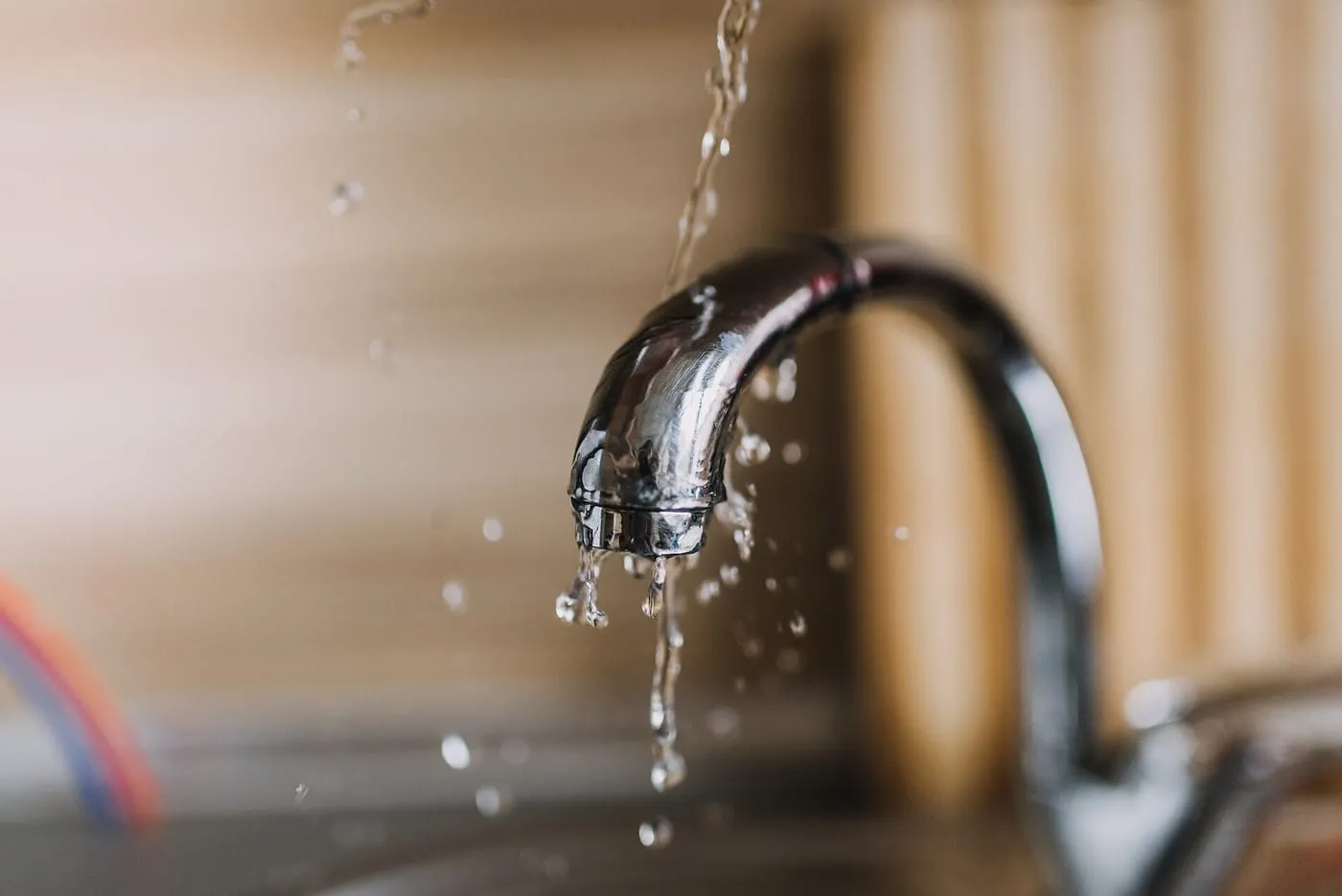

Five checks that fix a surprising share of no-hot-water mornings for free.
Short answer: Work through five checks before calling: boiler pressure at 1.0-1.5 bar, the timer and thermostat set correctly, the hot water taps not just airlocked, the condensate pipe not frozen in winter, and the diverter valve on a combi. Between them these resolve a large share of no-hot-water mornings for free.
Check the obvious first
Timer clock wrong after a power cut. Thermostat nudged down. Prepay meter out of credit. A tripped fuse on the boiler spur. These sound insulting and account for a real share of winter callouts, check them before you spend money.
Combi vs cylinder
A combi with heating but no hot water usually has a failed diverter valve, an engineer job, but a modest one. A cylinder system that’s lukewarm may just have a failed immersion or a thermostat set low; scalding then cold suggests the cylinder stat. Both are routine immersion heater and water heater repairs.
Airlocks
If one hot tap spits and dies after work on the system, an airlock is likely. Running the mains cold tap through a hose into the affected hot tap for 30 seconds often shifts it. If all hot taps are dead, the problem is upstream, stop there and call.
Combi, system or heat-only: know which you have
A combi heats on demand and has no cylinder. A system boiler feeds a pressurised cylinder. A heat-only boiler works with a cylinder and usually a loft tank. The diagnosis differs completely between them, and it is the first thing anyone on the phone will ask, so it is worth knowing before you ring.
Heating working but no hot water
On a combi boiler this is nearly always the diverter valve. It is the part that sends hot water either round the radiators or to your taps. When it sticks on heating, the radiators get hot but the taps stay cold. A quick test: turn the heating off at the programmer and run a hot tap. If the boiler fires but the water stays cold, the diverter is the likely cause. It is a common repair, not a reason for a new boiler, and it is one for a boiler engineer. In hard-water London, scale on the hot water plate inside the boiler can cause the same thing, with water that runs warm and never gets hot.
Hot water that runs out too fast
On a cylinder, that is usually a failed lower immersion element, a corroded coil, or a thermostat set too low, you are heating only the top of the tank. On a combi, reduced flow through a scaled heat exchanger produces the same feeling. In hard-water London the second is common and worth checking before anyone replaces a cylinder.
Which system do you actually have?
Every recommendation below depends on this. No loft tank and hot water on demand means a combi. A hot water cylinder in a cupboard plus a cold tank in the loft means a gravity-fed system. A cylinder with no loft tank means unvented, running at mains pressure. Combis fail differently from stored systems: a combi gives you heating but no hot water when the diverter valve sticks, while a stored system gives you neither if the motorised valve or cylinder thermostat has failed.
The five checks, in order
One: the pressure gauge, under 1 bar and the boiler has locked out, so repressurise to 1.0-1.5. Two: the programmer and thermostat, because a dead battery in a wireless room stat presents exactly like a boiler fault. Three: in winter, the white condensate pipe outside, which freezes and locks the boiler out; warm water along it usually brings it straight back. Four: whether it is genuinely every outlet or just one, because a single tap is a tap problem. Five: on a cylinder system, whether the immersion heater still produces hot water, which separates a boiler fault from a cylinder fault immediately.
Lukewarm rather than cold
Water that gets warm but never hot is a heat transfer problem, not a heating problem. In London, at 280 to 320 ppm off the chalk, that is nearly always scale, on the combi plate heat exchanger or on the cylinder coil. The water flows past the surface but cannot pick up heat through the mineral layer. In a soft-water area the same symptom points at sludge from corrosion coating the same surfaces. Same complaint, opposite cause, different fix, which is why a descale sold in a soft-water area is usually the wrong product.
Hot water not working but heating is, on a cylinder system
If you have a hot water cylinder, the causes are different from a combi. Start with the programmer: many have separate settings for heating and hot water, and the hot water one may simply be off. Next, feel the cylinder. If it is cold but the radiators are hot, the motorised valve that sends heat to the cylinder may be stuck, or the cylinder thermostat may be set too low or have failed. The thermostat is usually a small dial strapped to the side of the cylinder, and around 60°C is a sensible setting. If you have an immersion heater, switch it on for an hour. Hot water afterwards means the cylinder is fine and the fault is on the boiler side. Our separate guide on hot water but no heating covers the reverse problem.
No hot water or heating
When both stop at the same time, the boiler itself is not running, or it is not being told to. Look at the display first. A fault code or a flashing light means it has locked out, and the pressure gauge is the first thing to check: below 1 bar is the most common reason. Next, check the gas. If the hob will not light, the supply is the problem, often a prepay meter out of credit. Then check power: the boiler switch, the fuse and the timer after a power cut. In freezing weather, a frozen condensate pipe outside is a very common cause, and warm (not boiling) water poured along it often fixes it. Reset the boiler once only. If it locks out again, call a heating engineer. If you smell gas, ring 0800 111 999 first.
When to stop and call a boiler engineer
You can safely check pressure, controls, the condensate pipe and the immersion. Beyond that you are into the appliance itself, and a gas appliance is never a DIY job. Call immediately, rather than working through anything, if you smell gas, ring the National Gas Emergency Service on 0800 111 999 first, or if you see staining, soot or scorching around the boiler case, which can indicate incomplete combustion and carbon monoxide.
Questions people ask
Why do I have heating but no hot water?
On a combi, that points squarely at the diverter valve sticking in the heating position. On a system boiler with a cylinder, it is more likely the cylinder thermostat, the motorised valve, or a failed immersion.
Why is my hot water only lukewarm?
In a hard water area like London, a scaled heat exchanger or cylinder coil is the usual cause - the water flows past but cannot pick up heat. In soft water areas it is more often sludge from corrosion restricting the same surfaces.
How long should hot water take to come through?
A combi should deliver hot water at the tap within 10-20 seconds depending on the distance from the boiler. A cylinder that has run cold takes 20-40 minutes to reheat. Longer than that suggests a thermostat or coil problem.
Why do I have no hot water or heating?
When both stop, the boiler is not running. Check the display for a fault code, the pressure gauge, the gas supply and the power. In frosty weather, a frozen condensate pipe outside is a very common cause.
Can I fix no hot water myself?
You can check pressure, timer, thermostat and the condensate pipe safely, and repressurise the system. Anything past that involves the gas appliance itself, which is a job for a heating engineer.