
How to Reset a Boiler Safely, and When Not To
By Emergency Plumb,
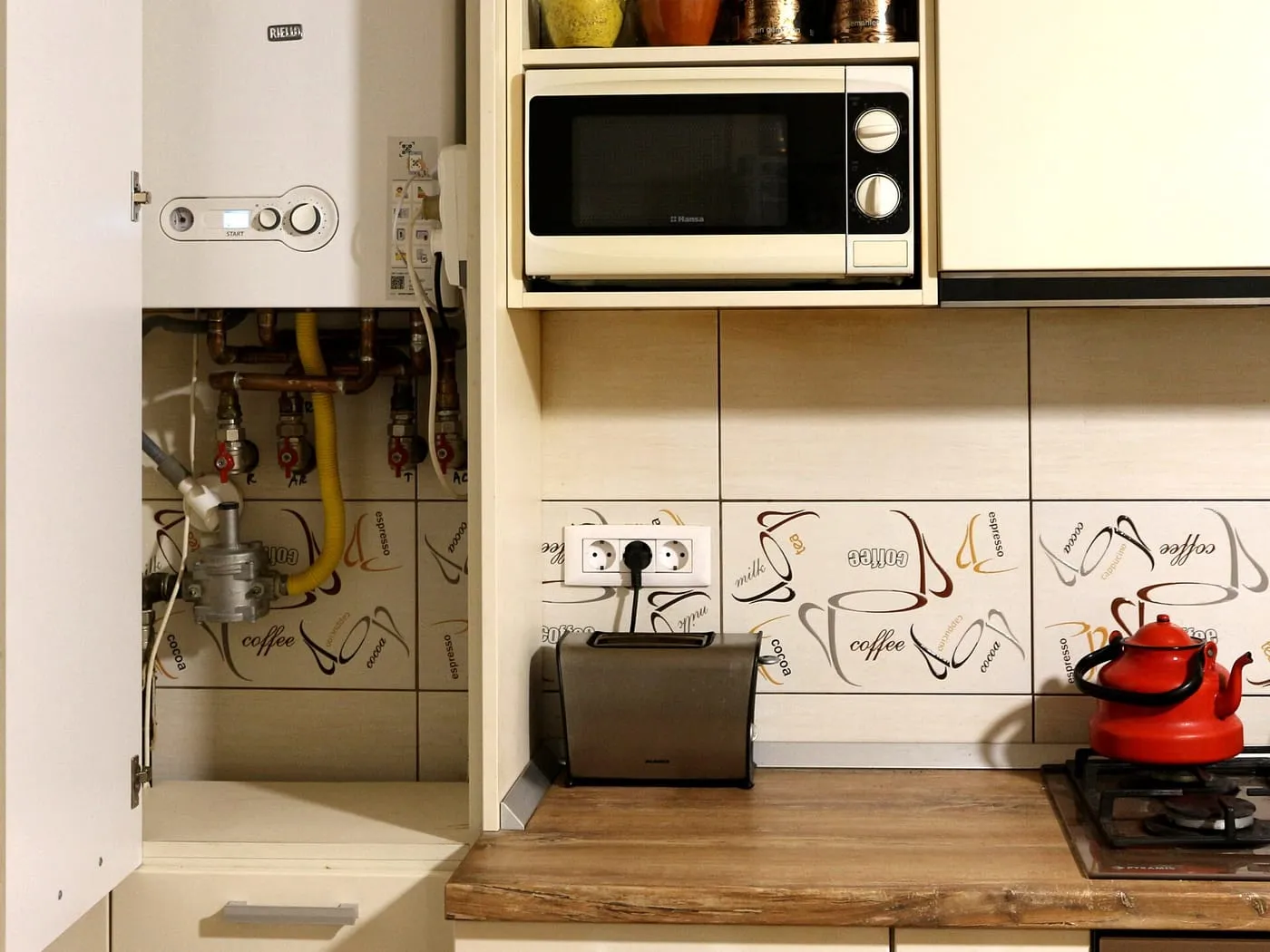

Find the reset button, but check the pressure first.
Short answer: Check the pressure gauge reads 1-1.5 bar and the gas supply is on, then press and hold the reset button on the boiler’s front panel for a few seconds and wait a few minutes. If it locks out again after one or two tries, stop and call a boiler engineer. If you smell gas, call 0800 111 999.
How do you reset a boiler?
Find the reset button on the front of the boiler, press it, and hold it for the time the manual says, usually a few seconds. Then wait two or three minutes while the boiler runs its start-up checks. Before you do, check the pressure gauge and your gas supply, because if either is the cause, resetting will not help and the boiler will simply lock out again.
Stop first if you can smell gas
Do not reset the boiler, and do not touch light switches or anything electrical. Open doors and windows, turn the gas off at the meter if you can reach it safely, leave the building and call the National Gas Emergency Service on 0800 111 999. The call is free and the line is open 24 hours a day. Only go back in and think about the boiler once they have made it safe.
Where is the reset button on a boiler?
On most makes, including Worcester, Vaillant, Baxi and Ideal, the reset button is on the control panel at the front, sometimes behind a small flap that drops down. It may be labelled “Reset” or “R”, or show a flame symbol with a line through it. On some boilers there is no separate button: you turn the main control knob to the reset position, hold it there for a few seconds, then turn it back. If you cannot find it, the user manual will show you. Most makers also put their manuals online, so search for the make and model printed on the front of the boiler.
Why a boiler locks out, and what the fault code means
When a modern boiler senses something wrong, it shuts down for safety and stops trying to light. This is called a lockout. It usually shows a fault code on the display, often a letter and a number, or a flashing light. The code tells you why it stopped. The reset button clears the lockout and lets the boiler try again. If the problem was a one-off, such as a brief interruption to the gas, it will light and carry on. If the problem is still there, it will lock out again. Write down the code before you press anything, because an engineer will want to know it. A photo on your phone is the easiest way. It is also worth checking the simple things first: that the boiler has power, that the thermostat is calling for heat, and that the timer or programmer has not been knocked out after a power cut. A boiler that is simply switched off at the fused spur, the switch on the wall next to it, can look exactly like a broken one. Our guide to boiler not working, common faults, goes through what the usual codes point to.
Check the boiler pressure before resetting
Low pressure is one of the most common reasons a combi or system boiler locks out. Look at the gauge on the front. When the heating is cold it should read between 1 and 1.5 bar. If it is below 1 bar, the boiler may refuse to run however many times you reset it. Top it up using the filling loop, which is usually a silver braided hose or one or two small taps underneath the boiler. Open it slowly, watch the needle rise to about 1.5 bar, then close it fully. Then reset. If the pressure keeps dropping, our guide to a boiler losing pressure explains where the water is going.
Is the condensate pipe frozen?
In cold weather, the most likely cause of a lockout is a frozen condensate pipe. This is the white or grey plastic pipe that carries waste water from the boiler to a drain, often running down an outside wall. When ice blocks it, the boiler stops and may make a gurgling sound. Find the frozen part, usually at the bend or the open end outside, and pour warm water over it from a jug or watering can. Use warm, not boiling, water, because boiling water can crack the plastic, and take care on icy ground. Once it thaws, reset the boiler.
Check the gas supply and prepayment meter
If the gas hob also will not light, the boiler is not the problem. Check the gas valve by the meter is open: the handle should be in line with the pipe. If you have a prepayment meter, check you have credit. When the credit runs out the gas stops, and after you top up you may need to press a button on the meter, or accept the credit on a smart meter display, before gas flows again. Then reset the boiler. If the meter shows credit and gas still does not come through, call your energy supplier.
Why you should not reset a boiler more than twice
If the boiler locks out again after one or two resets, stop. Most manufacturers advise the same. Repeated lockouts mean something is actually wrong, such as an ignition fault, a blocked flue or a faulty part, and each forced restart makes the boiler try to light with that fault still present. Some boilers will block the reset altogether after several attempts. At that point it needs a heating engineer. The sealed case is not something to open yourself.
Questions people ask
Where is the reset button on my boiler?
On most makes it is on the front control panel, sometimes behind a drop-down flap. It may say "Reset" or "R", or show a flame with a line through it. On some boilers you turn the main knob to a reset position instead; the manual will show you.
How many times can you reset a boiler?
Once or twice. If it locks out again after that, there is a real fault, and resetting it repeatedly just makes it try to light with the fault still there. Some boilers will block further resets. Call a heating engineer.
Why does my boiler keep locking out?
Common reasons are low pressure, a frozen condensate pipe in cold weather, no gas reaching the boiler, or an ignition or flue fault. Note the fault code on the display, because it tells an engineer where to start.
Should I reset my boiler if I can smell gas?
No. Do not touch the boiler or any switches. Turn the gas off at the meter if safe, open windows, leave, and call the National Gas Emergency Service on 0800 111 999.
Why won't my boiler come back on after topping up my prepayment meter?
Some meters need you to press a button, or accept the credit on a smart meter display, before gas flows again. Once the gas is back on, reset the boiler. If the meter shows credit and there is still no gas, call your energy supplier.