
How to Flush Sediment From a Water Heater
By Emergency Plumb,
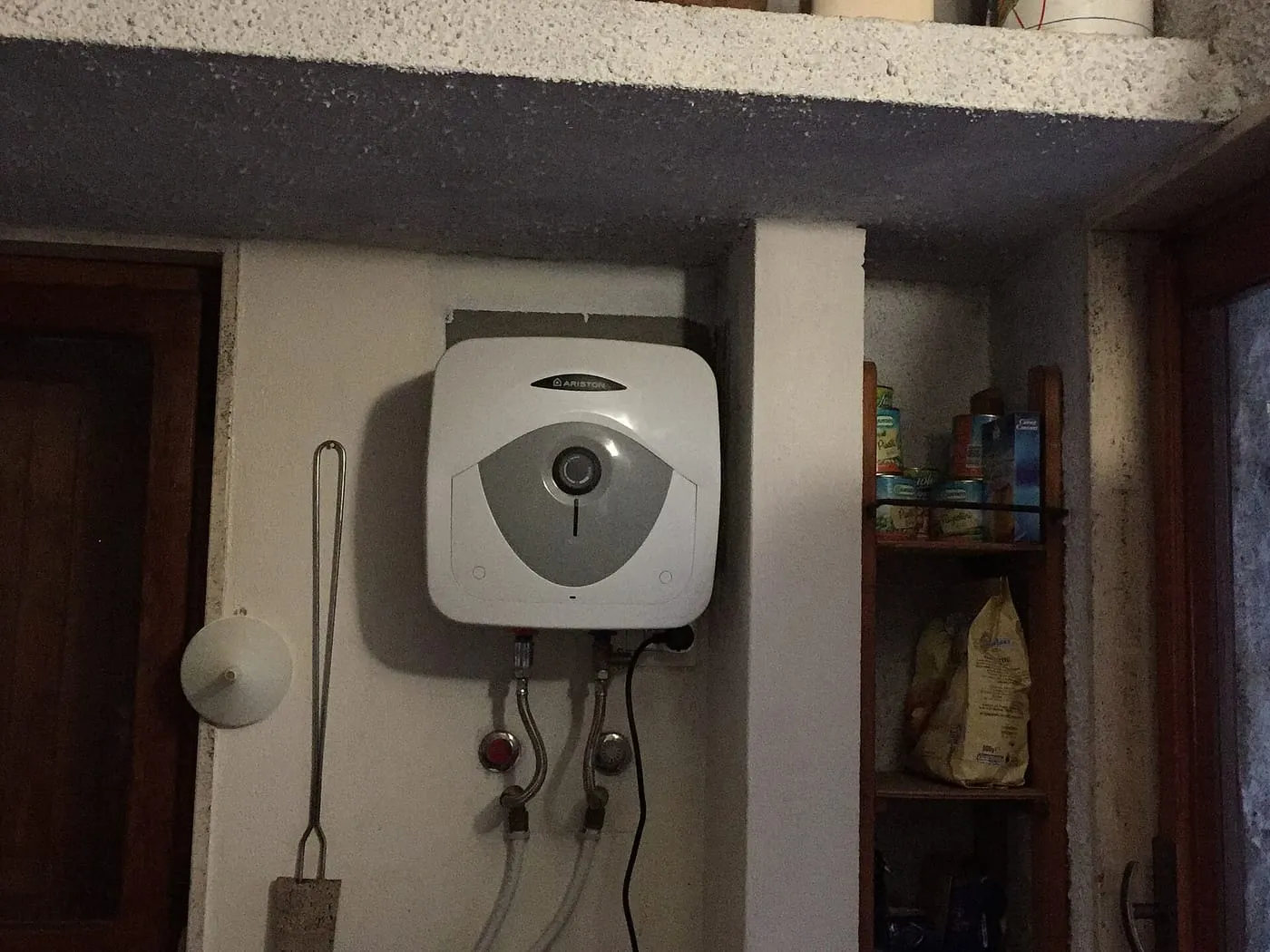

Sediment makes cylinders rumble, slows heating and kills elements.
Short answer: Turn off the power or gas, close the cold feed, attach a hose to the drain valve, and run it to a safe drain until the water runs clear. Doing this annually in a hard water area removes the sediment layer that insulates the element and quietly adds to your energy bill.
Why sediment builds
Minerals drop out of heated water and settle at the base of the cylinder. The layer insulates the water from the heat source, so heating takes longer, costs more and the tank rumbles as steam bubbles fight through the silt.
The flush, in outline
Power and water off, hose on the drain valve, cylinder drained and refilled until it runs clear. On a vented cylinder it is an afternoon job for a confident DIYer; on an unvented cylinder the law and the safety controls make it an engineer job.
Prevention in London
London is hard water at roughly 280 to 320 ppm, so a scale inhibitor on the cold feed and a yearly flush keep a cylinder efficient for decades. In the older terraces, check for lead on the incoming supply at the same time.
How often, and how to tell
Annually in hard water, every two to three years in soft. The signs are rumbling or popping as it heats, water that takes longer to warm than it used to, and reduced hot volume. Rumbling is steam bubbles forcing through a sediment layer at the base, the noise is the warning, not the fault.
Doing it safely
Power or gas off first, and let it cool for at least two hours, a tank at 60°C will scald. Hose to the drain valve, run it to a safe outfall, and open a hot tap upstairs to let air in. Refill fully before restoring power: energising an element in an empty tank destroys it in seconds.
When flushing will not help
If the tank has been left ten years or more, the sediment can be a solid crust that flushing will not shift and disturbing it can unblock a pinhole it was plugging. If the drain valve will not close afterwards, or the water runs rusty rather than cloudy, the tank is at the end of its life and flushing is not the answer.
Questions people ask
How often should I flush a water heater?
Annually in a hard water area such as London, where the supply runs 280-320 ppm off the chalk. In a soft water area, every two to three years is enough - there is very little mineral to settle out.
What are the signs of sediment build-up?
Rumbling or popping noises as the heater runs, water that takes longer to heat than it used to, and reduced hot water volume. The noise is water boiling underneath the sediment layer.
Is flushing a water heater safe to do myself?
On an electric cylinder, yes, with the power isolated and care taken over the water temperature - drain water can scald. On a gas-fired unit, isolating and relighting involves the gas appliance, so leave that to a gas engineer.
Can sediment damage the heater permanently?
Yes. Sediment insulates the element or the tank base from the water, so the metal runs hotter than designed. That shortens element life and, on a gas unit, can weaken the tank bottom over years.