
Boiler Not Working? The Six Most Common Faults
By Emergency Plumb,

What the fault code is really telling you, what’s safe to try, and when to stop.
Short answer: Six faults cause most boiler failures: low pressure, a frozen condensate pipe, a failed diverter valve, a faulty thermostat, a blocked or dirty heat exchanger, and no gas supply. Check the pressure gauge and the display code first - between them they identify the cause in most cases.
Low pressure
The gauge below 1 bar is the most common no-heat cause. Repressurise via the filling loop to 1.2–1.5 bar. Needing to do it more than every few months means water is going somewhere, that’s a leak, not a habit.
Frozen condensate pipe
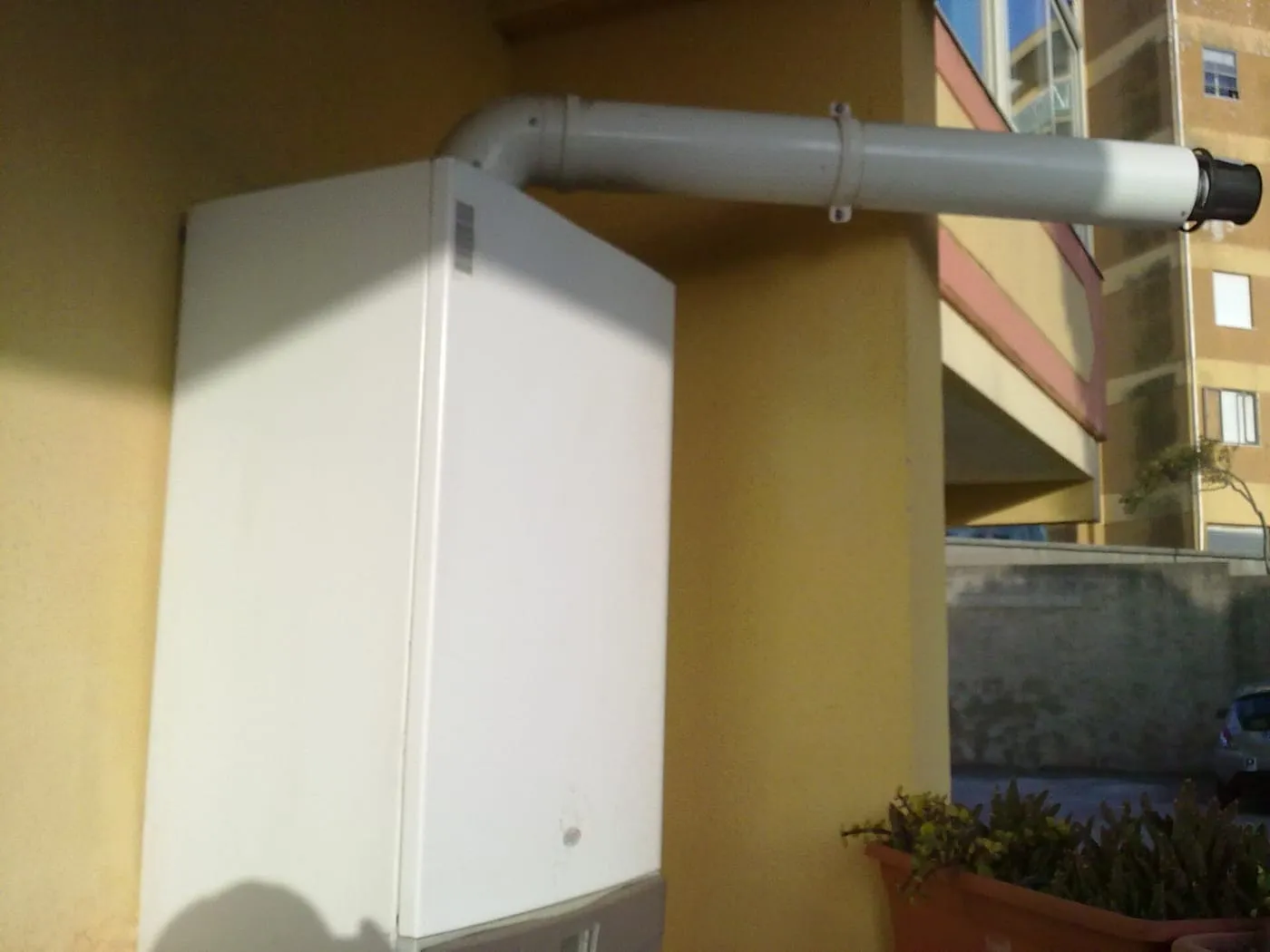
The white overflow pipe outside freezes in a cold snap and locks the boiler out. Pour warm (not boiling) water along it, reset, and it usually comes straight back. Lag it so it doesn’t recur.
Everything else
Failed diverter valves, seized pumps, faulty ignition and scaled heat exchangers all present as codes on the display. The code plus the make is genuinely useful information, have it ready when you call a heating engineer. Anything behind the case is their territory: not a DIY frontier.
When to stop trying
Smell gas, see soot marks, or hear the CO alarm, stop, open windows, call 0800 111 999 before anyone else. Nothing on a screen is worth testing past that point.
Reading the fault code properly
The code plus the make and model is genuinely useful diagnostic information, and having it ready when you call often means the engineer arrives with the right part on the van. Photograph the display rather than transcribing it, codes like F.28 and E128 are easy to mis-hear and lead to the wrong part being carried.
Faults that are not the boiler
A tripped RCD, a prepay meter out of credit, a timer wrong after a power cut, a room thermostat with flat batteries, or a frozen condensate pipe. Between them these account for a substantial share of “boiler broken” callouts, and every one is free to check before you spend money on anybody attending.
How long a boiler should last
Twelve to fifteen years for a well-serviced condensing boiler, less in hard water without scale protection. Once repairs exceed half the cost of replacement on a unit past ten, replacement usually wins on cost alone. Below that, repair, and be wary of any firm whose first answer to a fault code is a new boiler.
Read the gauge and the code before ringing anyone
Two pieces of information turn a vague call-out into a first-time fix: the pressure on the gauge, and the fault code on the display. Pressure under 1 bar explains most lockouts on its own. The code tells the engineer which component family is implicated, and therefore what to put on the van, a flame sensing fault and an overheat fault need entirely different parts. Photograph both before you phone. It costs you nothing and materially changes whether the fault is fixed on the first visit.
The six faults in order of frequency
Low pressure, resolved by repressurising via the filling loop. Frozen condensate, which is seasonal and clears with warm water along the outside pipe. A failed diverter valve, which on a combi gives heating but no hot water. A faulty thermostat or a flat battery in a wireless room stat, which presents exactly like a dead boiler. A blocked or scaled heat exchanger, which causes kettling and overheat lockouts and is much more common in hard-water London. And no gas supply, which sounds obvious but catches people with prepayment meters and after supply works in the street.
Repair or replace, honestly
Under about ten years old, with parts still available, repair is nearly always the better value, a diverter valve or a PCB is a fraction of a new installation. Between ten and fifteen, it depends on what has failed: a heat exchanger on a twelve-year-old boiler is borderline. Over fifteen, or where the manufacturer has discontinued parts, replacement is the sensible call. What should never happen is a replacement recommended without a diagnosis. Ask which component failed, what the part costs, and what the labour is. A firm that cannot answer that is selling a boiler, not fixing one.
What you can safely do yourself
Repressurise the system, reset the boiler once, check the programmer and thermostat, replace a room stat battery, thaw an external condensate pipe with warm water, and check that other gas appliances still work. That is the whole list. Repeatedly resetting a boiler that keeps locking out is worth avoiding, the lockout is a protective response, and forcing it back on masks whatever triggered it. Anything involving the case coming off is work for a boiler engineer.
Questions people ask
What is the most common reason a boiler stops working?
Low system pressure. If the gauge reads under 1 bar the boiler locks out to protect itself. Repressurising via the filling loop to 1.0-1.5 bar restores it in minutes. If it drops again within weeks, there is a leak.
What do boiler fault codes mean?
They are manufacturer-specific, but the pattern is consistent: codes in the F0-F30 range usually cover ignition and flame failure, and higher codes cover sensors and overheat. The code plus the make tells an engineer what to bring, so note it before ringing.
My boiler works for heating but not hot water - why?
Almost always the diverter valve on a combi. It switches flow between the heating circuit and the hot water plate. When it sticks in the heating position you get radiators but cold taps. It is a repair, not a replacement.
Is it worth repairing an old boiler or replacing it?
Under about ten years old and with parts available, repair is usually the better value. Beyond fifteen, or where the heat exchanger has failed, replacement often makes sense. Ask for the diagnosis and the part cost before agreeing to anything - "it needs a new boiler" without a test is a sales pitch.