No Hot Water in London? Emergency Repairs, 24/7
No hot water in a cold snap is an emergency in any house with children or anyone elderly.
Most causes are fixable same-day, the skill is diagnosing which of the five usual suspects it is before parts get thrown at it.
No hot water in London: do this now, while you wait
-
Check the boiler displayA fault code means the boiler has locked out. A fault inside the boiler is for a heating engineer, as we do not work on boilers.
-
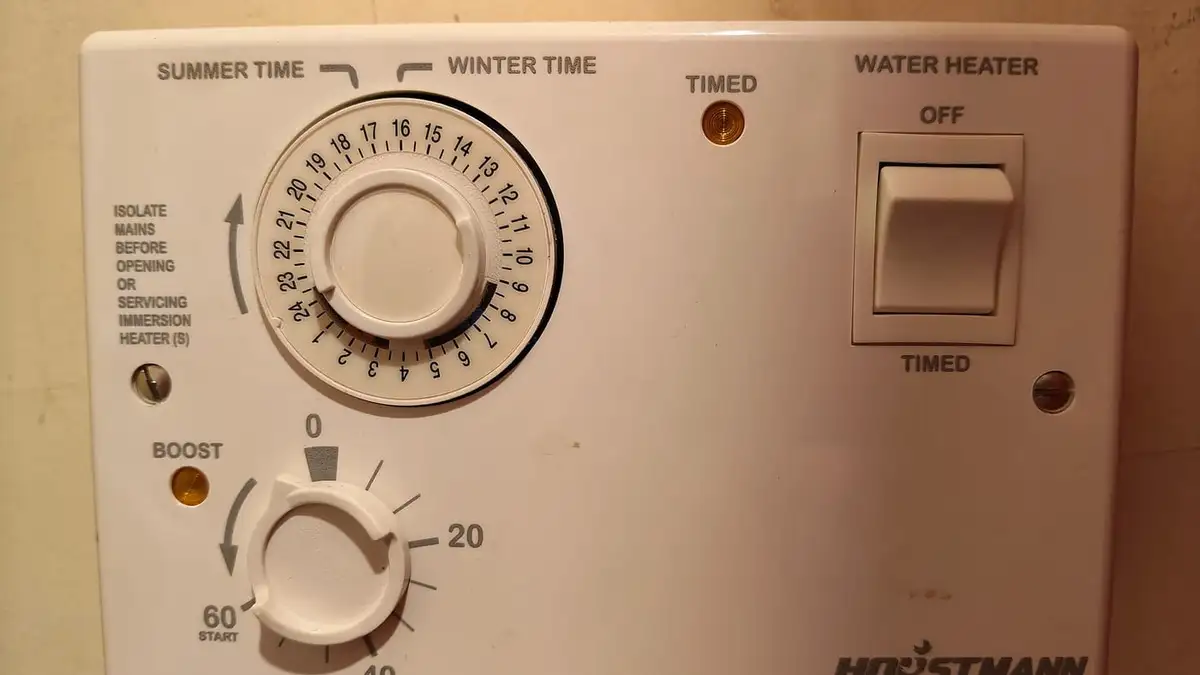
Check pressure and powerGauge below 1 bar? Repressurise via the filling loop to 1.2–1.5. Also check the timer, thermostat and the fused spur, power cuts scramble more schedules than boilers fail.
-
In freezing weather, check the condensate pipeThe white plastic pipe outside freezes and locks the boiler out. Warm (not boiling) water along it, then reset.
-
Smell gas at any point, stopCall the National Gas Emergency Service on 0800 111 999 before anyone else, including us.
What causes no hot water in London
- Boiler lockout. Low pressure, frozen condensate, failed ignition, the boiler protects itself by shutting down and shows a code. If topping up the pressure or thawing the condensate does not clear it, call a boiler engineer.
- Failed diverter valve. Heating works but hot taps don’t (or vice versa) on a combi, a classic diverter failure inside the boiler, and one for a heating engineer to fix.
- Cylinder faults. On stored systems: a failed immersion, a thermostat set wrong, or a scaled coil in hard-water areas.
- Airlock after work. One spitting hot tap after recent plumbing is usually trapped air, not a fault.
- No hot water in the whole house. When every hot tap in the house runs cold, the problem is where the hot water is made: the boiler, the cylinder or the controls. It is not the taps. On a combi, check the boiler display and the pressure gauge first. On a cylinder system, check whether the immersion heater still heats the water. If it does, the fault is on the boiler side, often a motorised valve or cylinder thermostat. If one tap is cold and the rest are fine, the problem is that tap or its pipe, which is a smaller job.
- Gas supply or power. A prepay meter out of credit, a tripped fuse on the boiler switch or a power cut that has reset the timer can all stop hot water. They are free to check before you ring anyone.
Local conditions we work around
Hard water is the usual culprit behind a London no-hot-water call. At 280 to 320 ppm, scale builds on the hottest surface in the system, the heat exchanger in a combi, the coil in a cylinder, until the boiler overheats and locks out, or the cylinder simply cannot transfer heat any more. That is why the fix on a cylinder is often a descale, flush or coil replacement rather than a new cylinder, and why anyone quoting a full replacement on the first visit should be asked what they actually tested.
Areas we cover
Wherever you are in the list below, the price is the same. Open your area for what tends to go wrong there.
Questions people ask
Why is there no hot water in my house?
The most common reasons are low boiler pressure, a boiler lockout, a timer or thermostat that has been reset, or a frozen condensate pipe in winter. On a combi with working heating, a stuck diverter valve inside the boiler is the usual cause, and that is a job for a heating engineer. On a cylinder system, it is often the immersion, the cylinder thermostat or a motorised valve.
I have no hot water in the house but the heating works. What is wrong?
On a combi boiler, the diverter valve has most likely stuck on heating. It sits inside the boiler, so it needs a boiler engineer; we do not work on boilers. On a system with a hot water cylinder, look at the cylinder thermostat or the motorised valve. That is a repair, not a new cylinder.
Is no hot water an emergency?
With vulnerable people in the house, yes, and landlords have legal obligations on hot water that make it urgent for tenants too. We treat winter no-hot-water calls at the same priority as leaks.
Can you fix it same-day?
Usually. Vans carry the common failure parts, immersion elements, thermostats, filling-loop parts. If a part has to be ordered, we tell you before we leave, not after.
What does a typical repair cost?
There is no call-out charge. It is £110 for the first hour, then £45 for each additional half hour, plus the cost of parts, and the same at any hour of the day or night.