
Boiler Leaking Water & Heating Faults
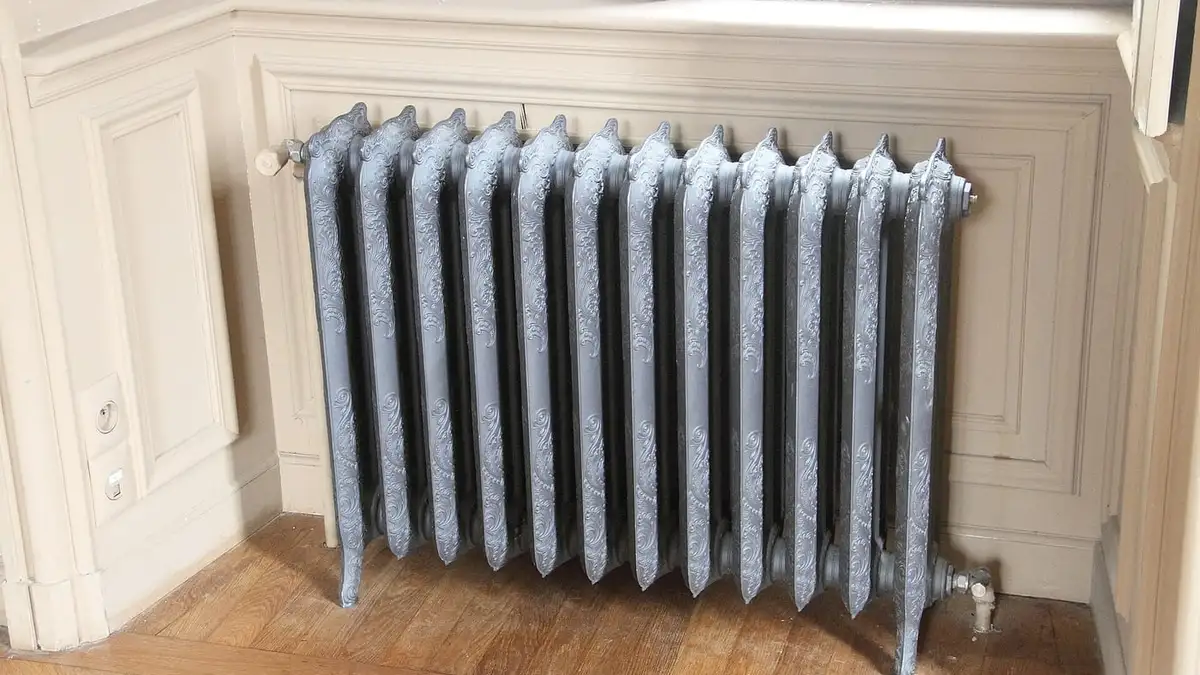

Fault codes, cold radiators, no hot water, what’s safe to try and when to call.
A boiler leaking water is never routine
Unlike a dripping tap, a boiler that leaks is telling you a pressurised sealed component has failed, and the water is inside a cabinet full of electrics and a live gas appliance. Switch it off at the spur, turn off the water supply to it if you can reach the isolation valve, put a container underneath, and get a boiler engineer out to it. Do not run it “just for hot water” in the meantime.
Where the water is coming from tells you the cost
From underneath the boiler at a pipe connection, and it is often a joint that needs remaking, modest. From the pressure relief pipe, and the expansion vessel or the PRV has failed, still modest. From inside the case, running down the back, and it is usually the heat exchanger or the pump seal, that is the expensive one, and on a boiler over ten years old it is the conversation about replacement.
Pressure that keeps dropping is the same problem, hidden
A sealed heating system does not consume water. If you are topping up the pressure every few weeks, water is leaving somewhere, a radiator tail, a pipe under a floor, or out through the relief pipe on the external wall. Each top-up introduces fresh oxygenated water, which corrodes the system from the inside. It is one of the most ignored heating faults there is.
What you can safely try yourself
Repressurising via the filling loop to 1.2 bar. Thawing a frozen external condensate pipe with warm water. Bleeding a radiator that is cold at the top. Checking the timer after a power cut. That is the complete list. Everything behind the case is for a heating engineer, not because of gatekeeping but because the appliance burns gas and vents combustion products into your house.
When to stop and call the emergency number
If you smell gas, see soot or yellow staining around the boiler, or your CO alarm sounds: open the windows, turn the gas off at the meter, get everyone out, and ring the National Gas Emergency Service on 0800 111 999 before you ring anybody else. Nothing on the display is worth investigating past that point.
Guides
Immersion Heater Not Working? Checks to Make First
No hot water from the immersion heater? Work through the switch, timer, fuse, thermostat and element in order, and know which checks are safe to do yourself.
Hot Water Pressure Low but Cold Fine? Causes and Fixes
When only the hot taps are weak, the cause is on the hot side. How to tell normal tank-fed pressure from a fault, and the checks to make in order.
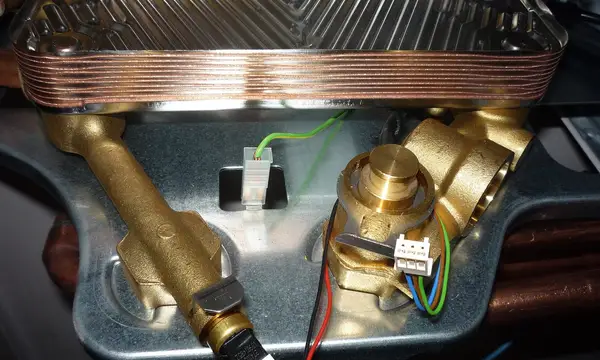
Hot Water but No Heating? What to Check and in What Order
The taps run hot but the radiators stay cold. The cause depends on your boiler type, and several checks are safe to do yourself.
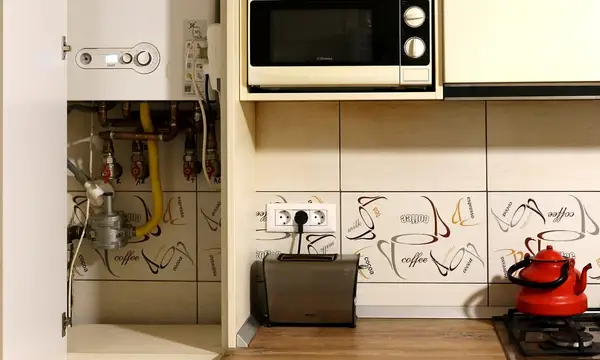
How to Reset a Boiler Safely, and When Not To
Find the reset button, but check the pressure first. Resetting a boiler more than twice hides the fault rather than fixing it.
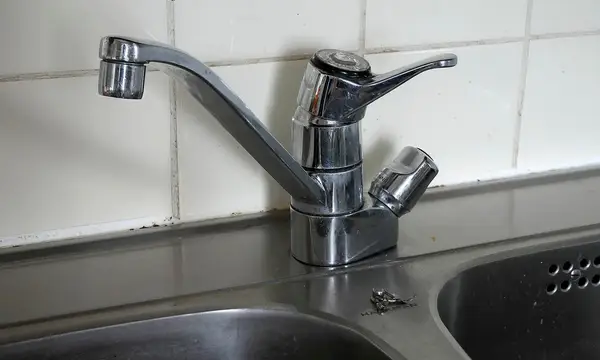
Why Is My Cold Water Warm?
Usually a cold pipe picking up heat from hot pipes nearby, or a warm loft tank. Sometimes it is a mixer tap letting hot water cross over.
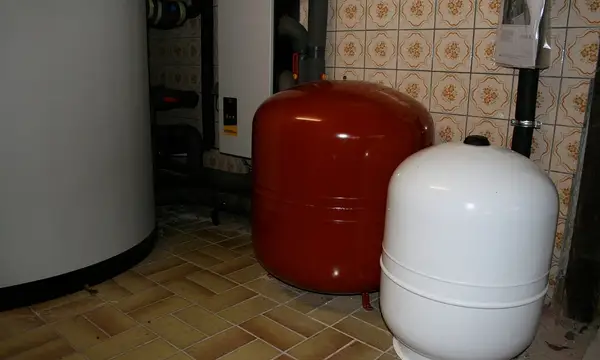
Boiler Losing Pressure But No Leak? Check the Vessel
No damp patch anywhere and the pressure still drops. The water is leaving, just not where you are looking.
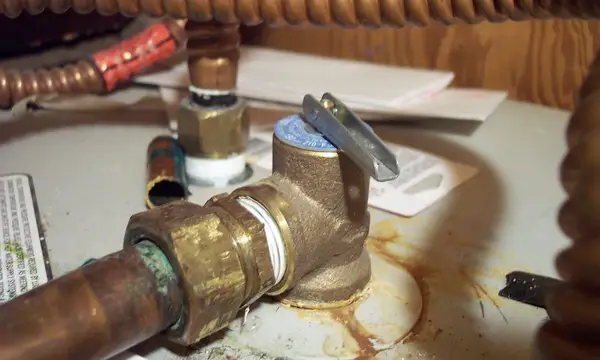
Boiler Pressure Too High? What to Do and Why It Happens
Above 2.5 bar and the safety valve will dump water outside. The usual cause is the filling loop, not a fault.
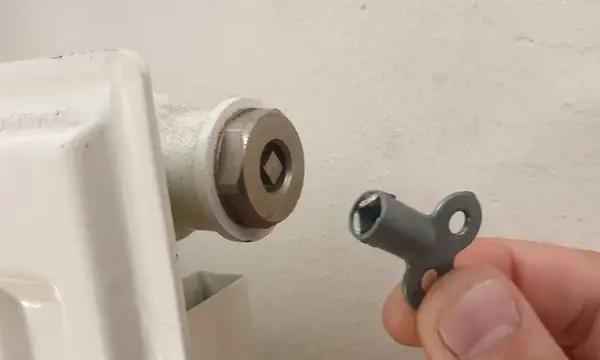
How to Bleed a Radiator, Step by Step
Cold at the top, warm at the bottom means trapped air. Ten minutes, one key, and the pressure check most guides forget.
Radiator Cold at the Bottom? That Is Sludge, Not Air
Cold at the bottom and warm at the top is the opposite of an air problem, and bleeding it will not help.
Which Boiler Brand Should You Buy?
Worcester Bosch, Vaillant, Ideal and the rest: an honest look at the brand question, and what matters more.
Hot Water Cylinder Leaking? What It Means
Where the water appears tells you how serious it is, from a loose fitting to a cylinder at end of life.
How to Flush Sediment From a Water Heater
Sediment makes cylinders rumble, slows heating and kills elements. Flushing it is routine maintenance.
Water Heater Not Working? A Repair Guide
Immersions, multipoints and wall heaters fail in predictable ways. What to check before replacing anything.
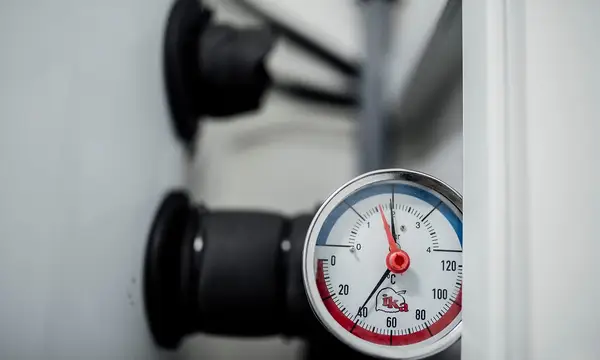
Boiler Losing Pressure? What It Means and How Urgent It Is
A sealed system does not consume water. If you are topping up, it is going somewhere, and where matters.
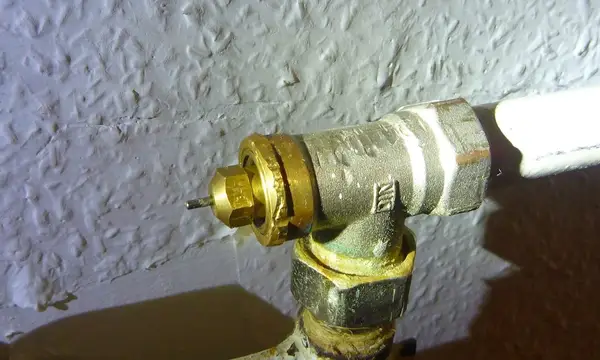
Leaking Radiator? Where It's Coming From and What to Do
Valve, spindle, tail or the panel itself, each one leaks differently, and only one of them means a new radiator.
No Hot Water? Work Through This Before You Call
Five checks that fix a surprising share of no-hot-water mornings for free.
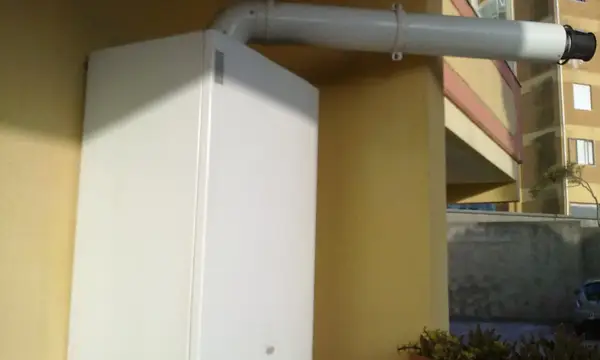
Boiler Not Working? The Six Most Common Faults
What the fault code is really telling you, what's safe to try, and when to stop.
Questions people ask
Why is my boiler leaking water from the bottom?
Most commonly a failed pipe connection or a corroded joint at the base of the unit, which is often repairable. It can also be a failed pump seal or auto air vent. Switch the boiler off and isolate it, a leak inside a cabinet of electrics is not something to run overnight.
Is a leaking boiler dangerous?
It is a genuine risk, though not usually an immediate one. Water and electrical components in the same box is the first concern; corrosion of the heat exchanger over time is the second, and that can affect combustion. Turn it off and get it looked at rather than running it until the weekend.
Can a leaking boiler be repaired or does it need replacing?
It depends entirely on what is leaking. Seals, valves, vessels and connections are routine repairs. A leaking heat exchanger on an older unit rarely justifies the part cost. As a rule of thumb, if the repair exceeds half the price of a new boiler and the unit is over ten, replacement usually wins.
Why does my boiler lose pressure overnight?
Something is letting water out while nothing is drawing it. Check the small copper pipe that comes through the external wall near the boiler, if it is dripping or has a limescale trail beneath it, your pressure is going out through the relief valve and no amount of topping up will fix it.