
Flood Cleanup in London
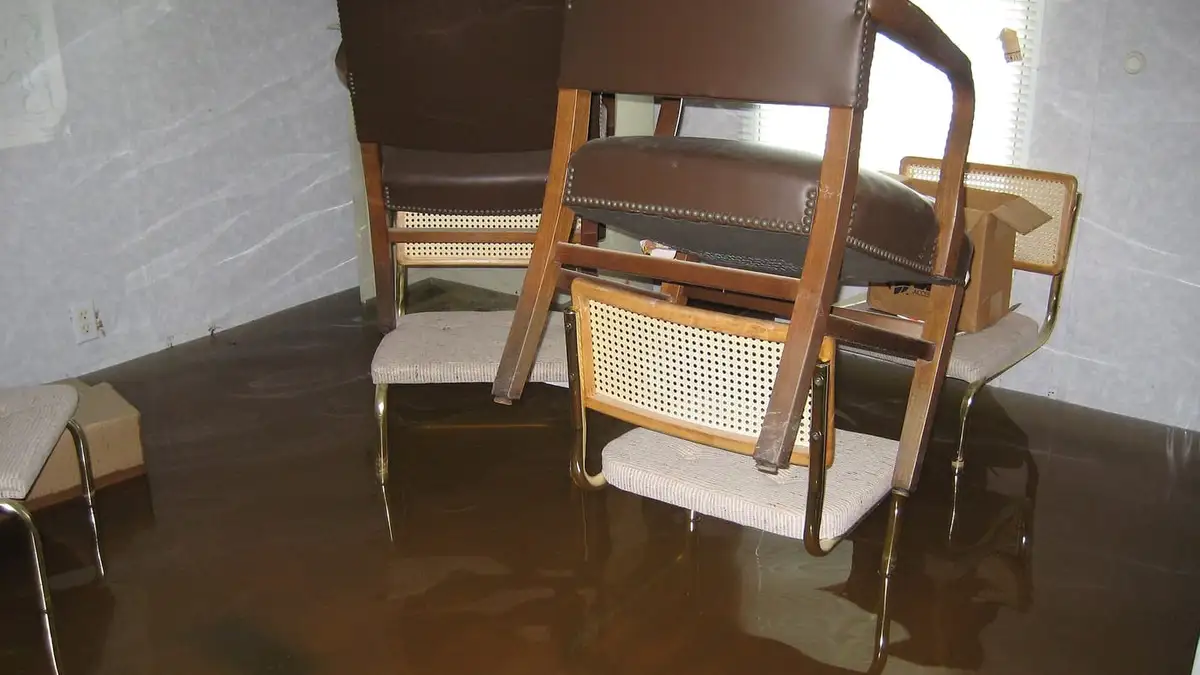
Standing water is three problems in order: electricity, the source, and then the water itself.
We pump, trace the ingress, and leave you with the report your insurer will ask for, because flood claims live or die on documentation.
Flood & pump-out in London: do this now, while you wait
-
Electricity firstIf water is anywhere near sockets, appliances or the consumer unit, cut the power at the board, if you can reach it without standing in water. If not, leave it and stay out.
-
Stop the source if it’s yoursStopcock off. If the water is rising from outside or from a drain, there’s nothing to switch, move to protecting what it hasn’t reached.
-
Don’t enter deep waterAnkle-deep and clean, with power off, is workable. Deeper, moving, or foul water is not, sewage flooding is a health matter and we come equipped for it.
-
Photograph before touching anythingWater line, damage, source if visible. Insurers pay on evidence, not memory.
What causes flooding indoors in London
- Burst pipes and failed appliances. Washing machine hoses and pushed-fit joints fail at full mains pressure, a few hours unattended is a swimming pool.
- Sewer surcharge. Heavy rain overwhelms combined drains and pushes foul water up through the lowest gully or WC, common in London’s older streets.
- Groundwater. Basements below the water table flood when pumps fail or after prolonged rain; the fix is pump maintenance, not mopping.
- External surface water. Blocked gullies send rainwater over the threshold instead of down the drain.
Local conditions we work around
London basement flooding splits into two causes that need different responses. A burst or failed appliance is the straightforward one. The other is sewer surcharge in heavy rain, where a combined Victorian sewer backs up and comes in through the lowest gully, which is contaminated water, not clean, and changes the cleanup and the insurance conversation entirely. Basement conversions here depend on a sump pump and an alarm that somebody actually tests, and that is what we check first afterwards.
Areas we cover
One rate card for all of these areas, with no extra charge for distance. Every area page lists the streets it covers.
Questions people ask
How fast can you pump it out?
We start on arrival, the source-tracing happens while the level drops.
Is sewage flooding handled differently?
Yes, it's a contamination job as well as a water job. We pump, then advise on disinfection and what's salvageable, and the report notes foul contamination because insurers treat it differently.
Will it happen again?
That's the question the visit must answer. Sewer surcharge points to a non-return valve; groundwater to sump pump service or installation; a burst to the repair itself. We don't leave without telling you which you are.
Do you deal with the insurer?
We provide the written cause-and-action report with photographs that claims handlers ask for. Speaking to them is your call; giving them nothing to argue with is ours.